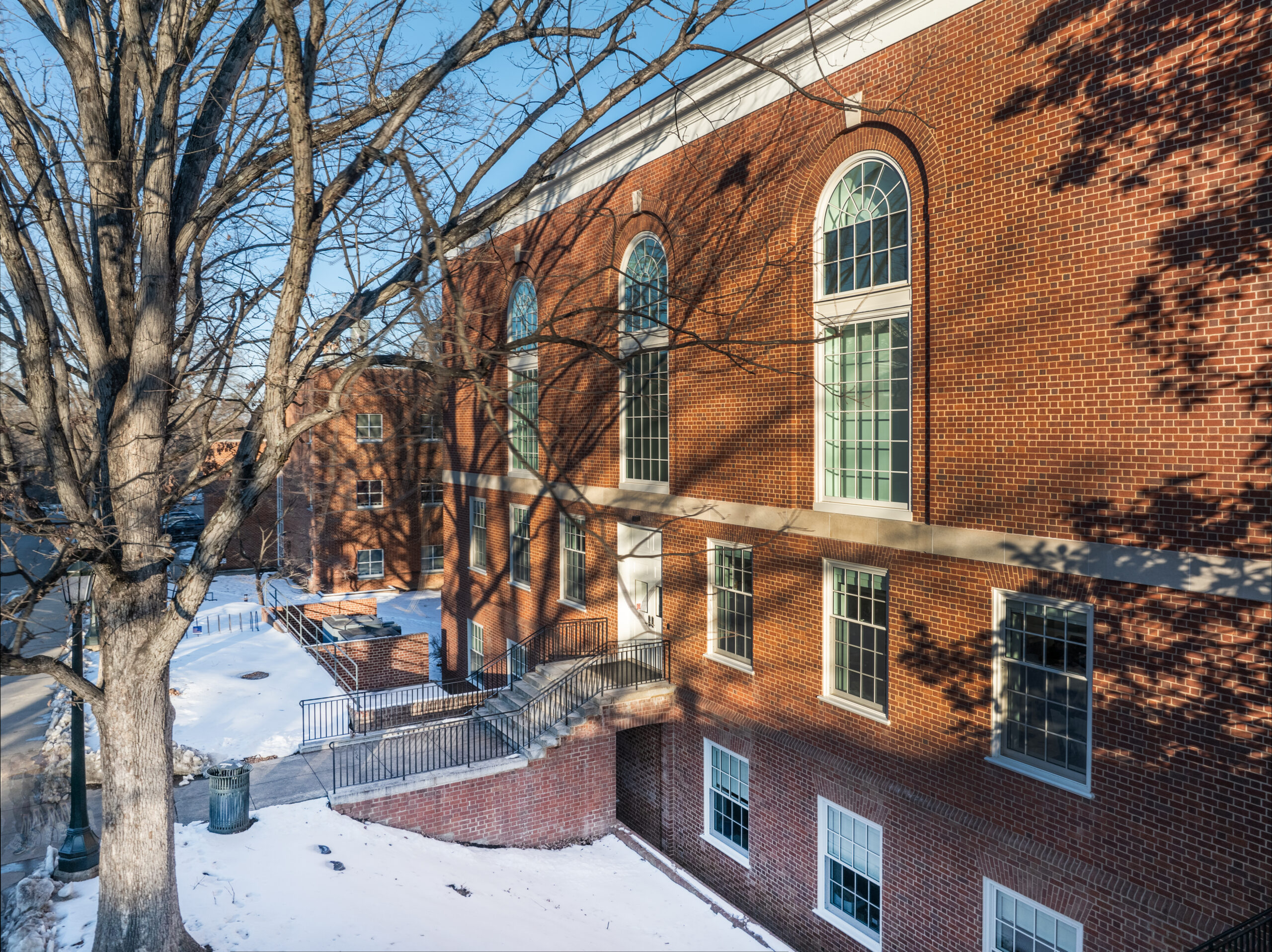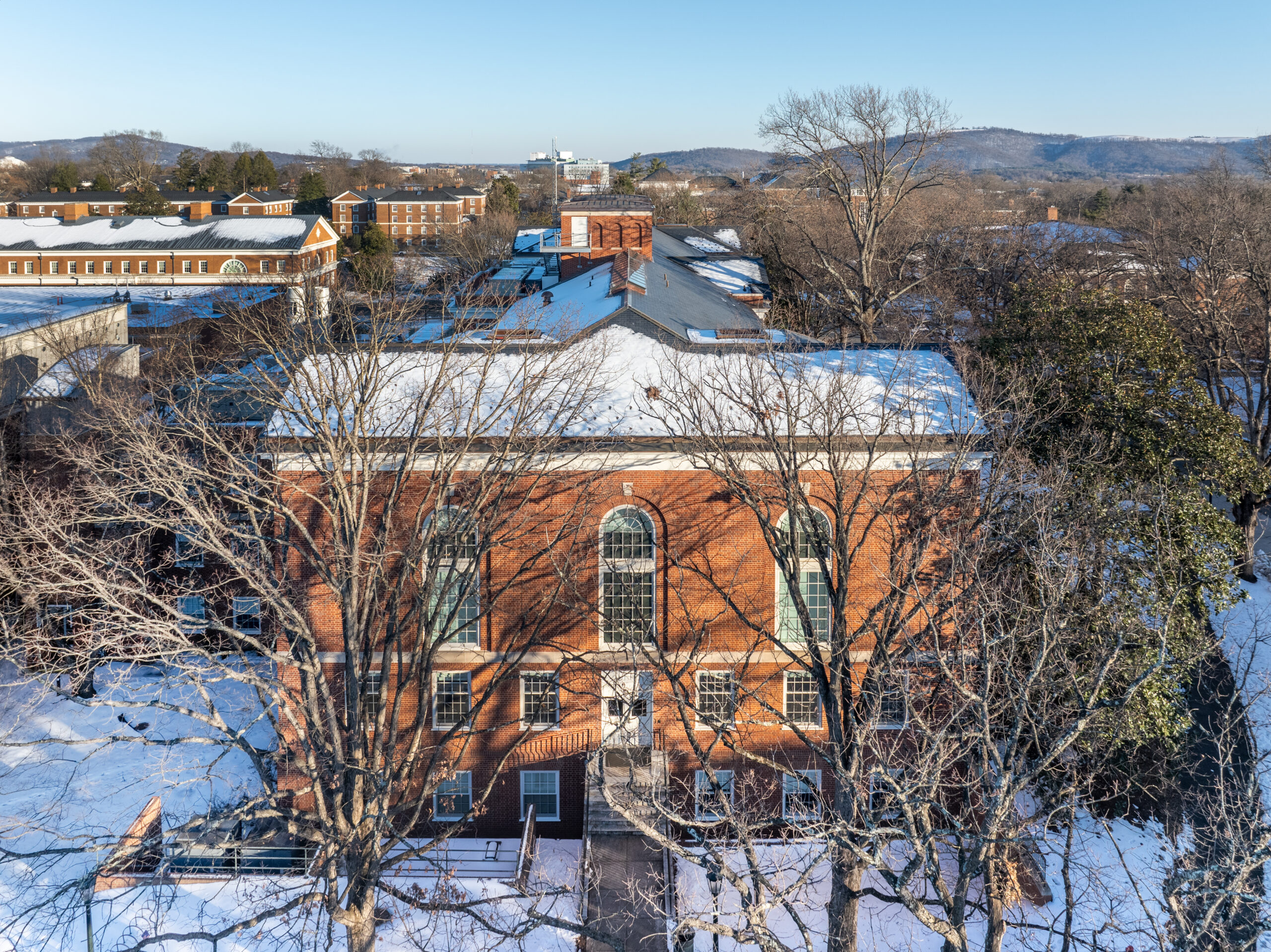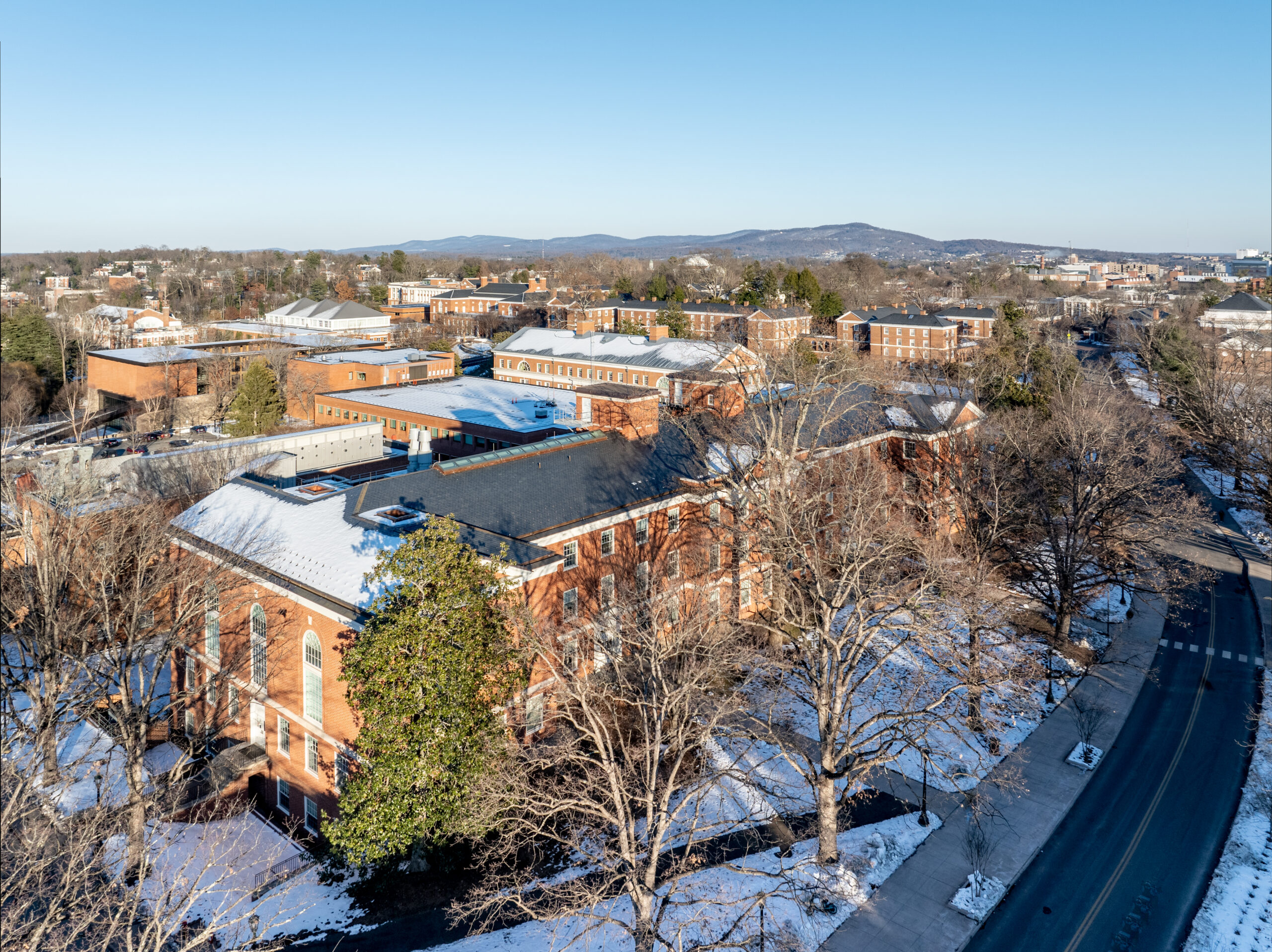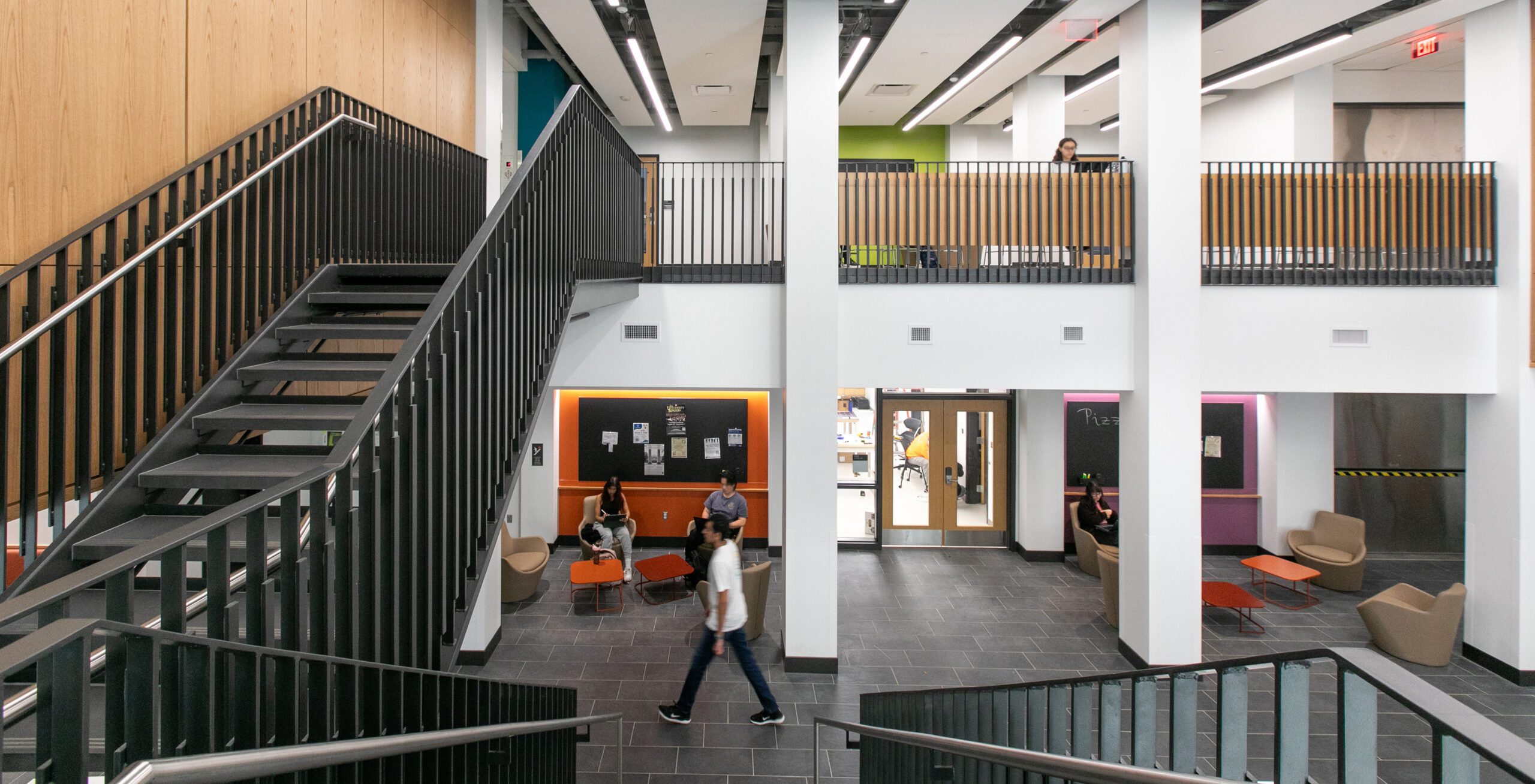

MEP engineering for the renovation of a historic physics building and 1980s addition supports active learning, laboratory, and research spaces while maintaining operation during phased construction. The design includes dedicated outdoor air and exhaust systems with energy recovery, snorkel exhausts for lab flexibility, and systems that maintain stable temperature and humidity for research environments. Electrical upgrades and a building automation system integrated with campus controls support reliable performance, monitoring, and efficient system operation.
2RW provided sustainable MEP engineering design and construction administration services for the comprehensive renovation of the historic physics building and the 1980s addition. The renewal was completed through a phased/occupied construction process to maintain partial functional use of spaces throughout the renovation.
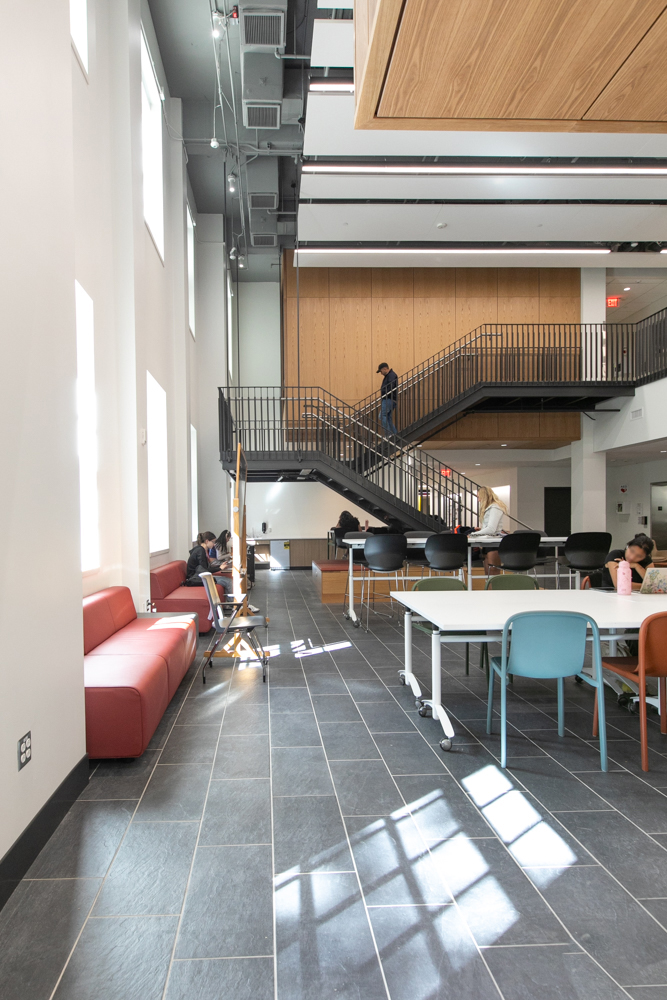
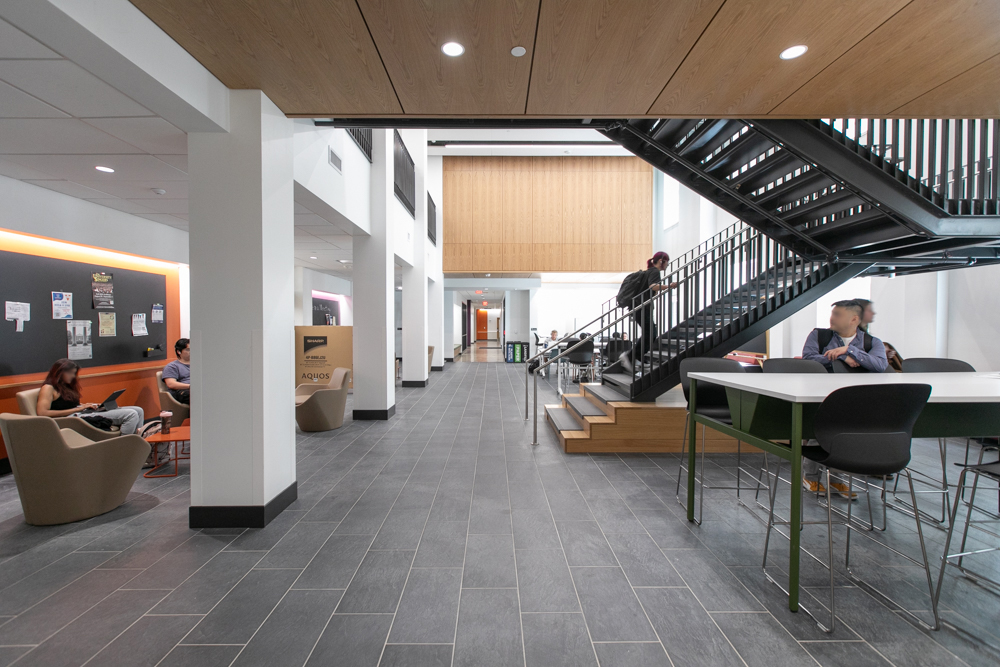
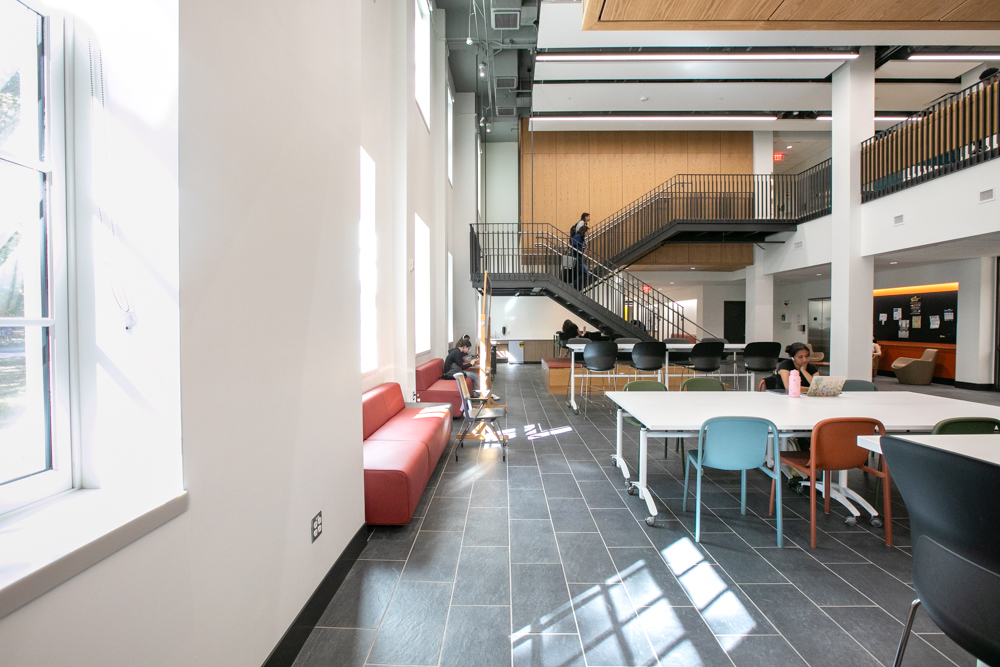
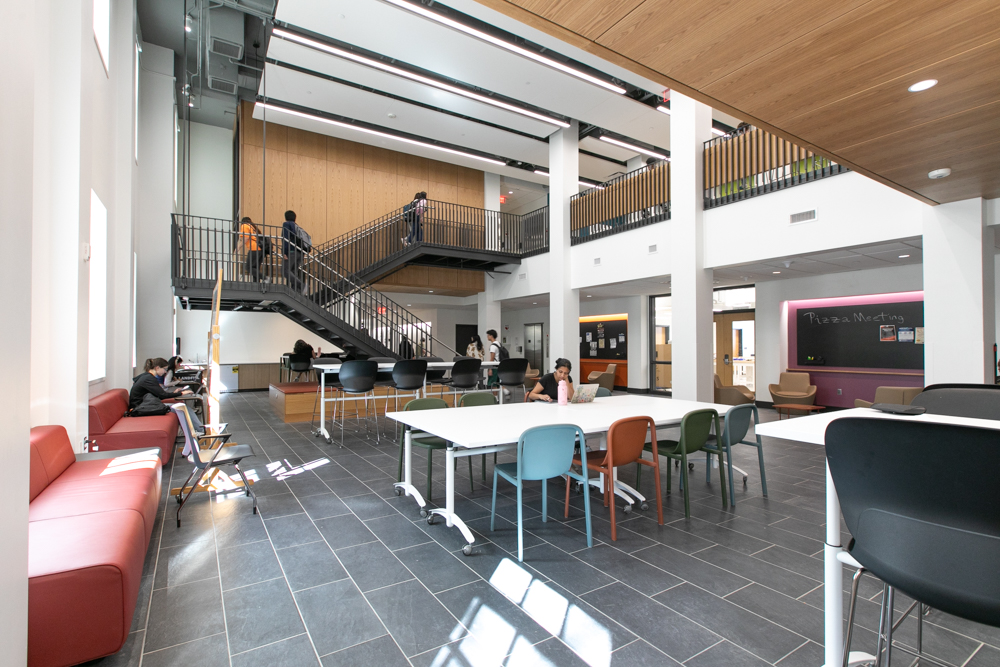
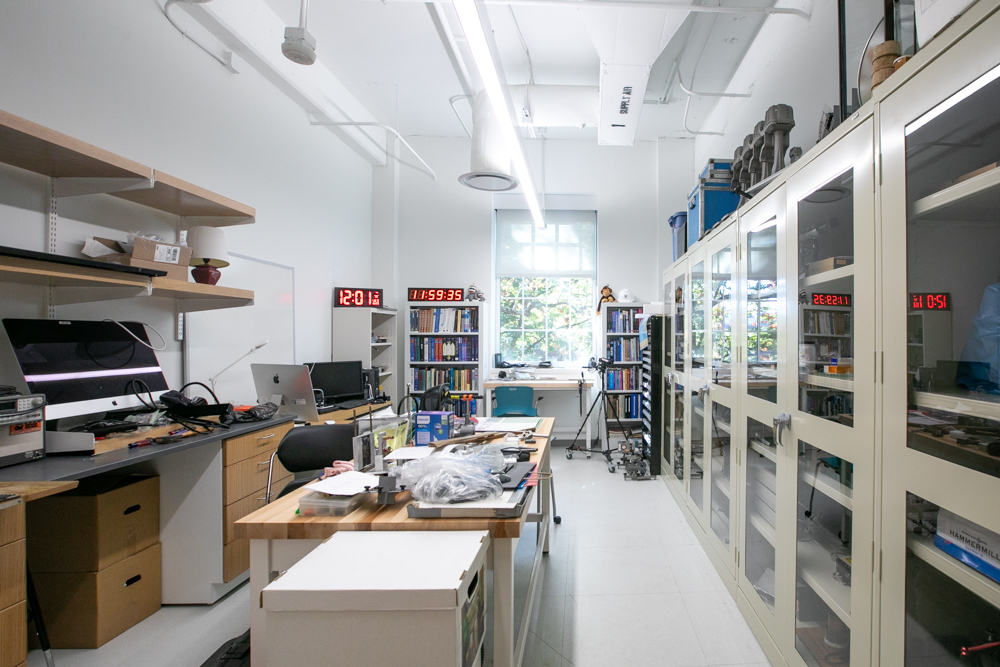
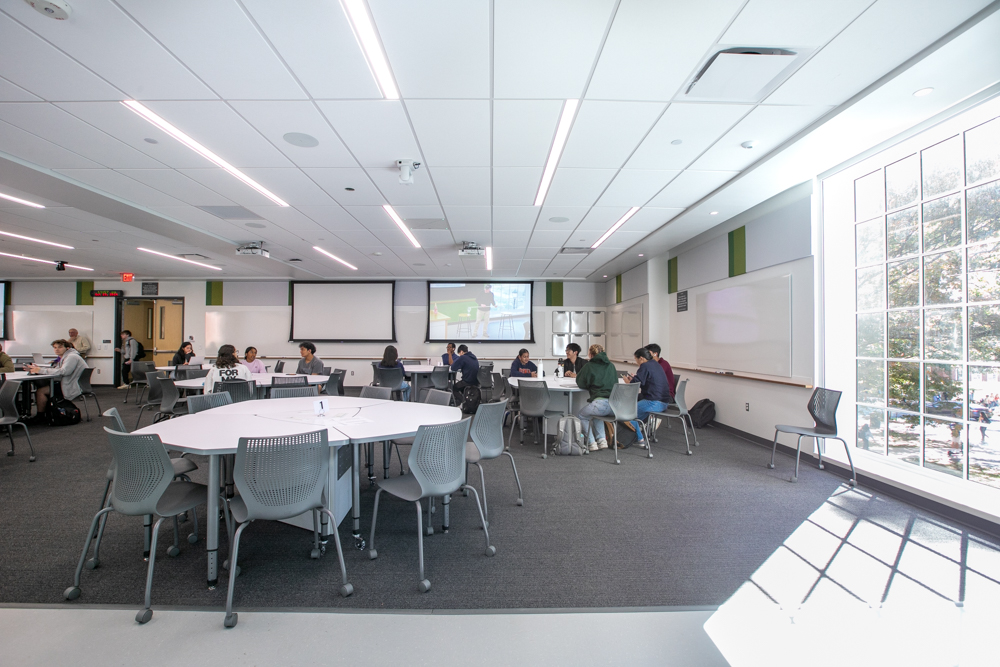
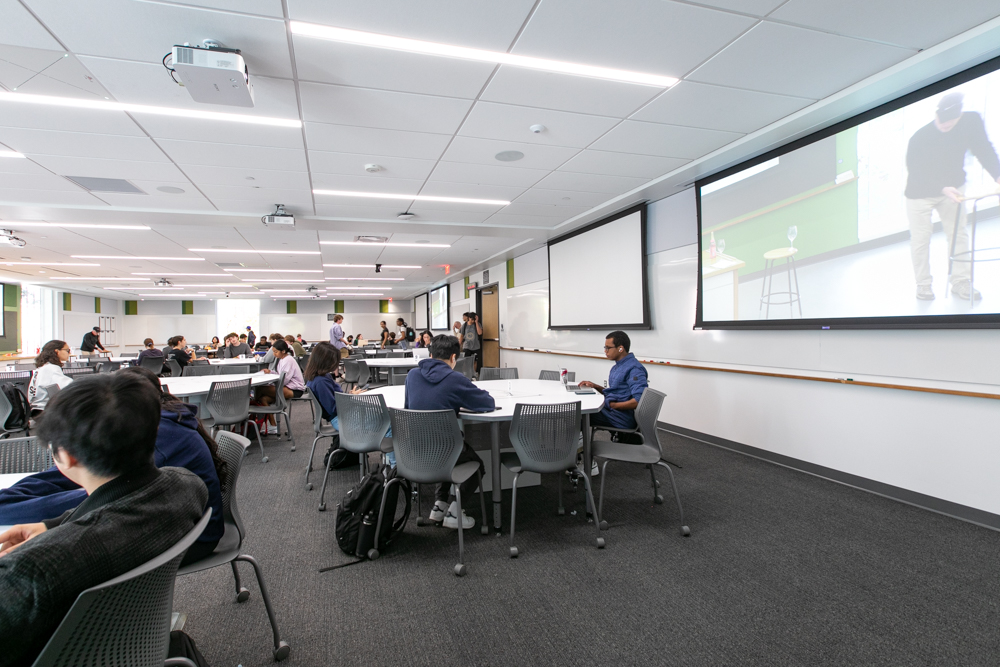
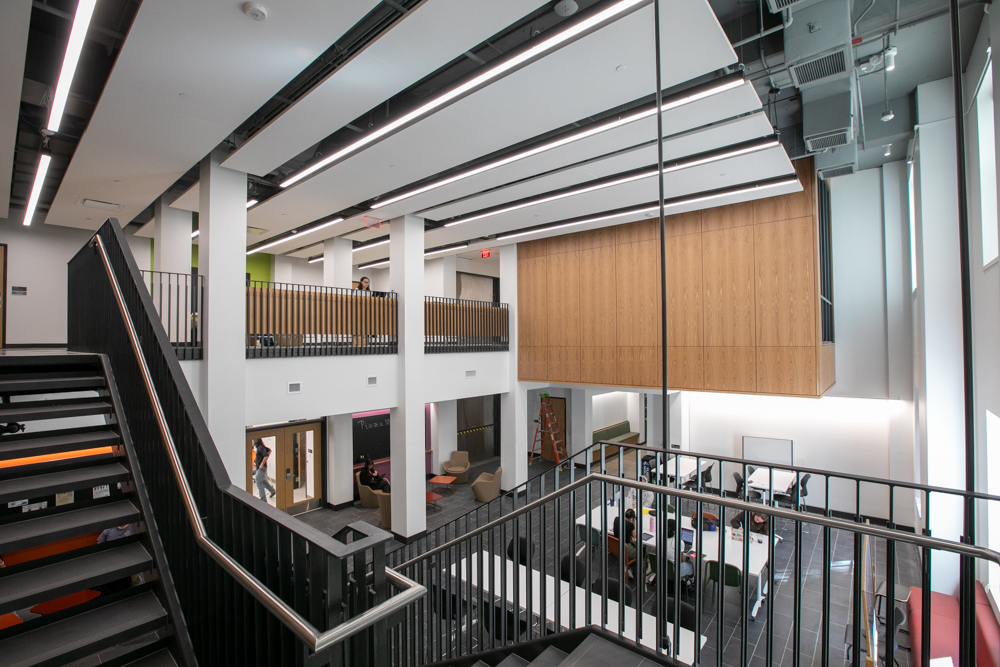
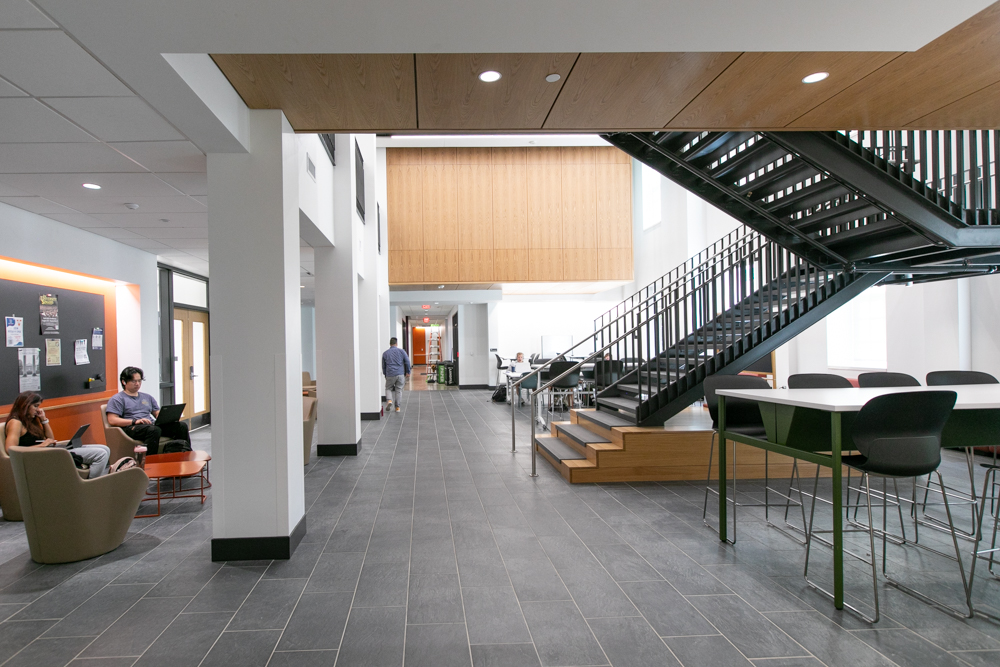
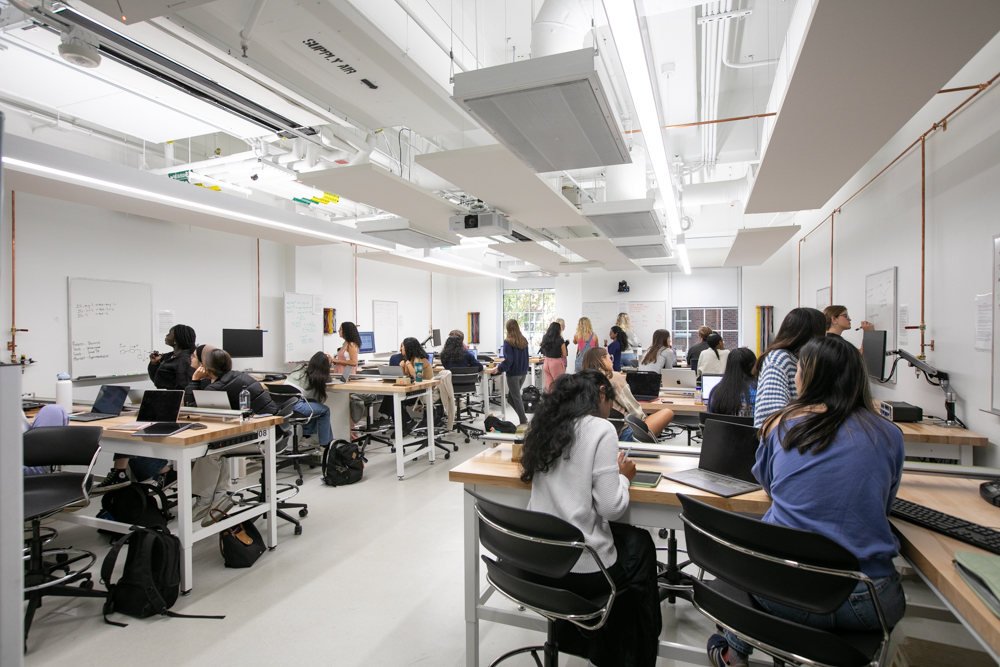
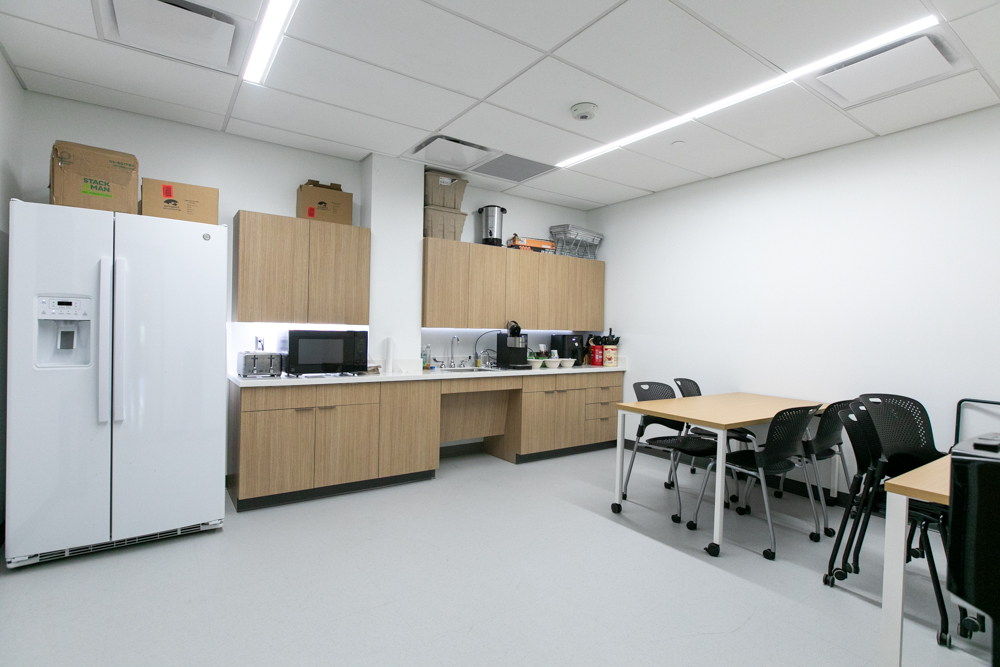
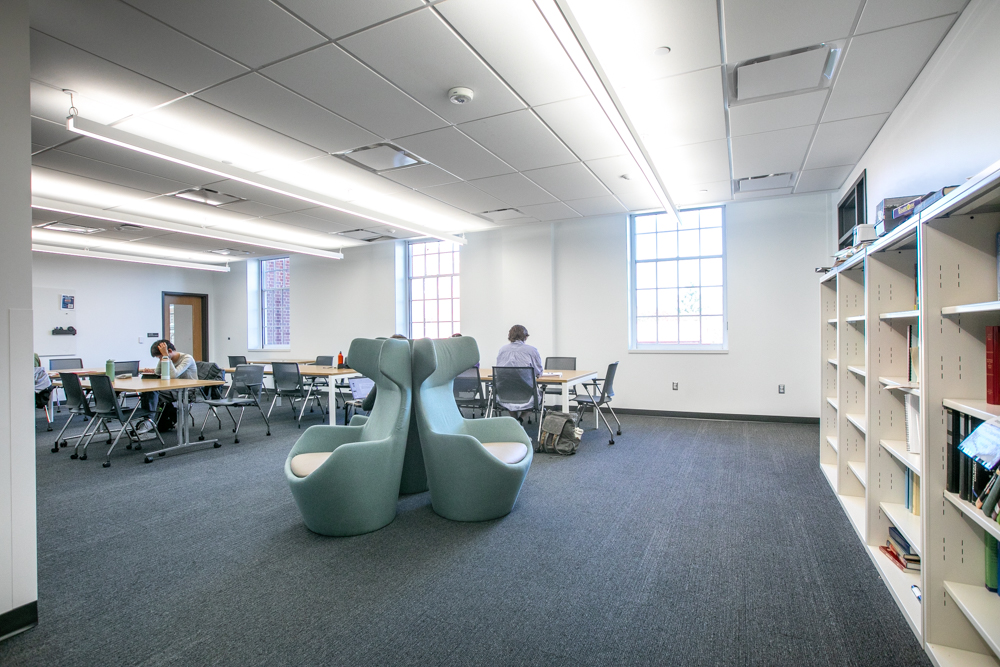
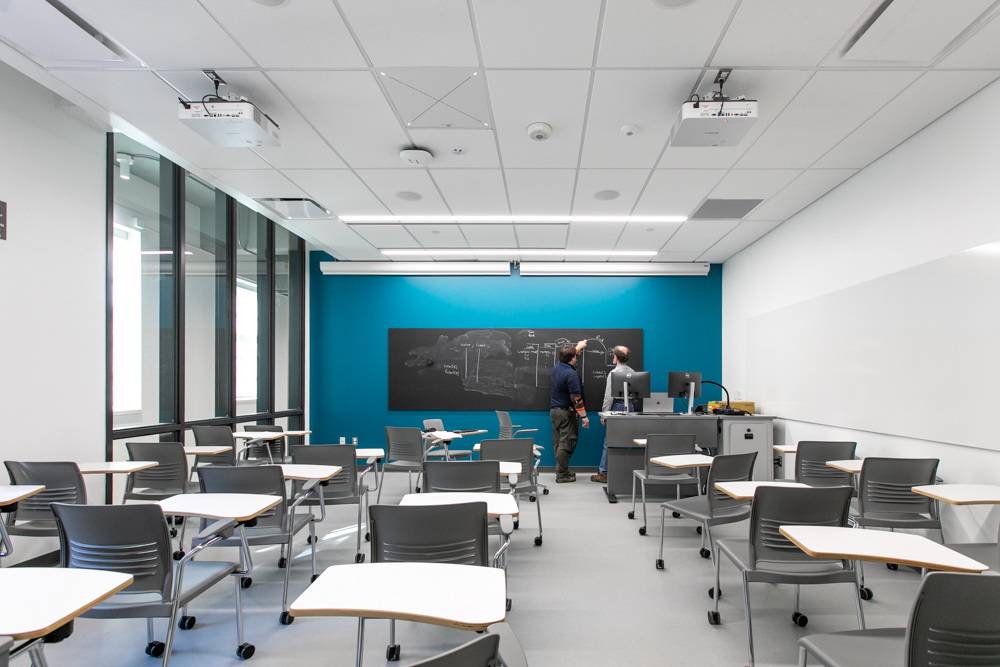
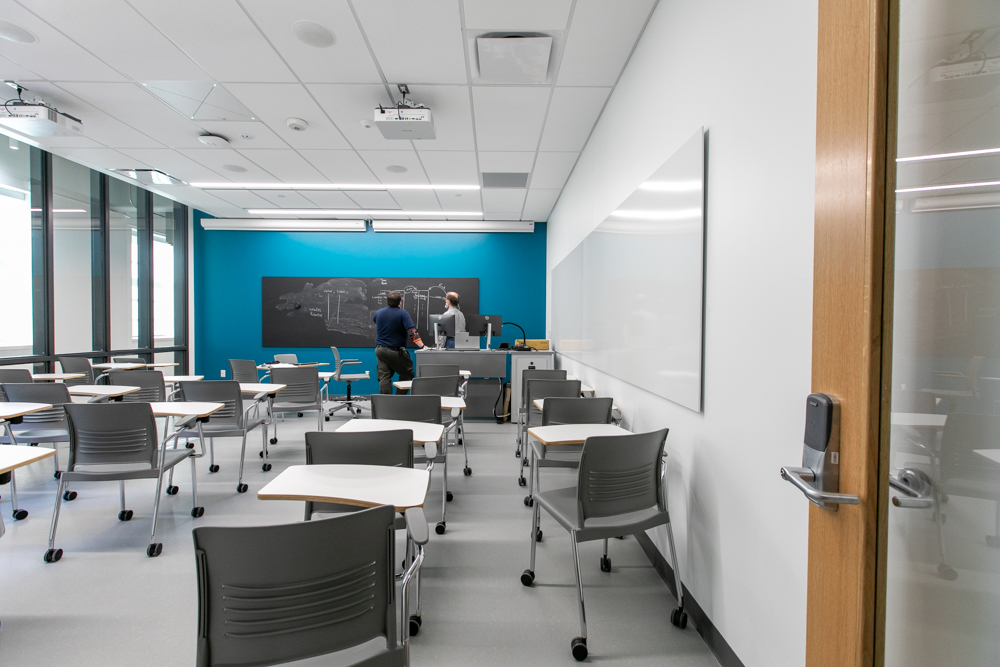
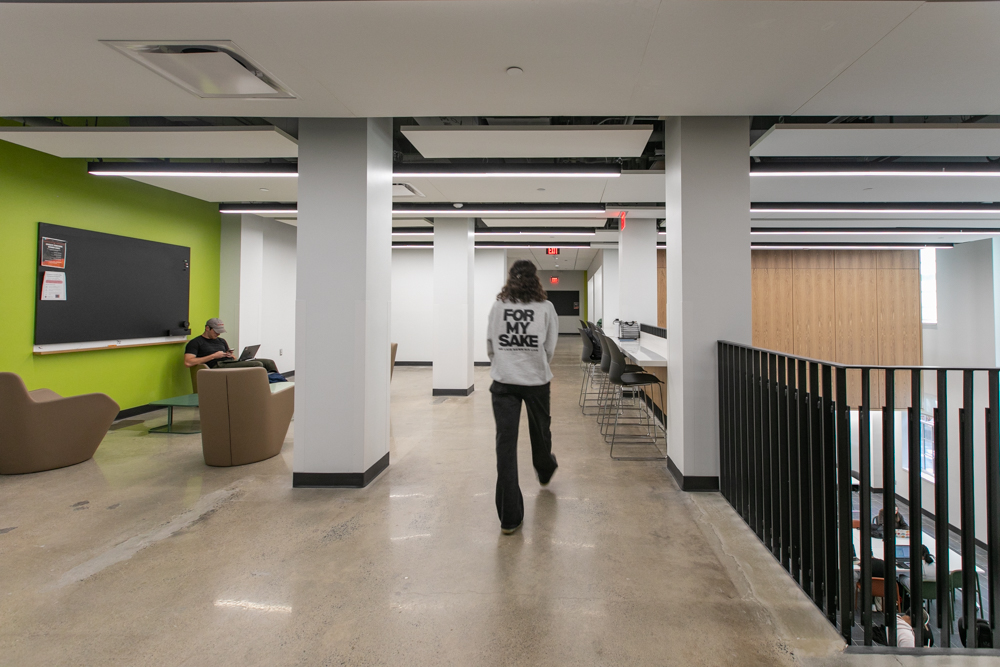
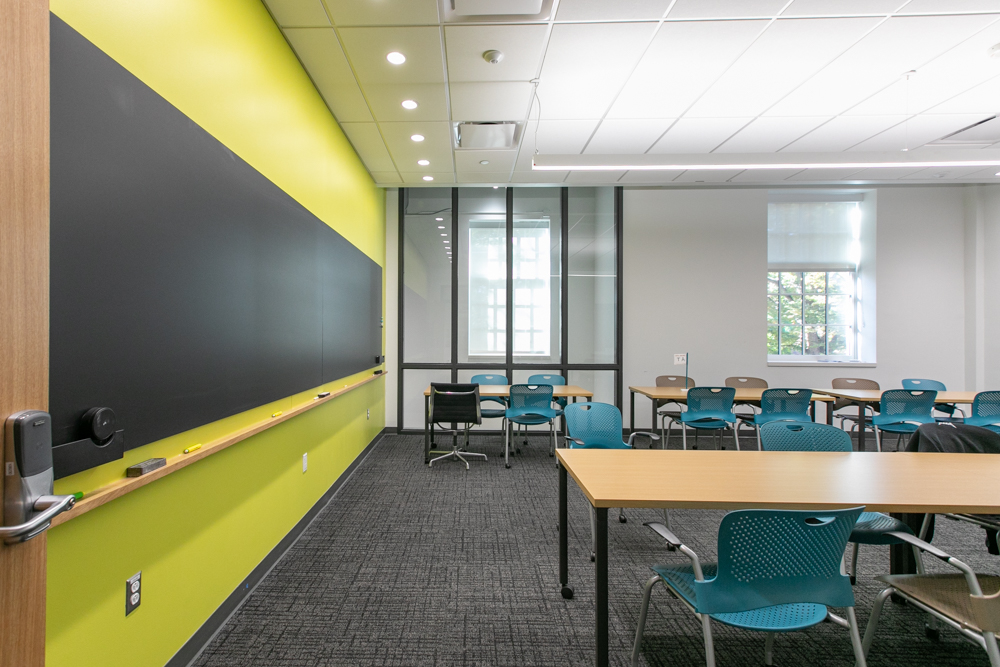
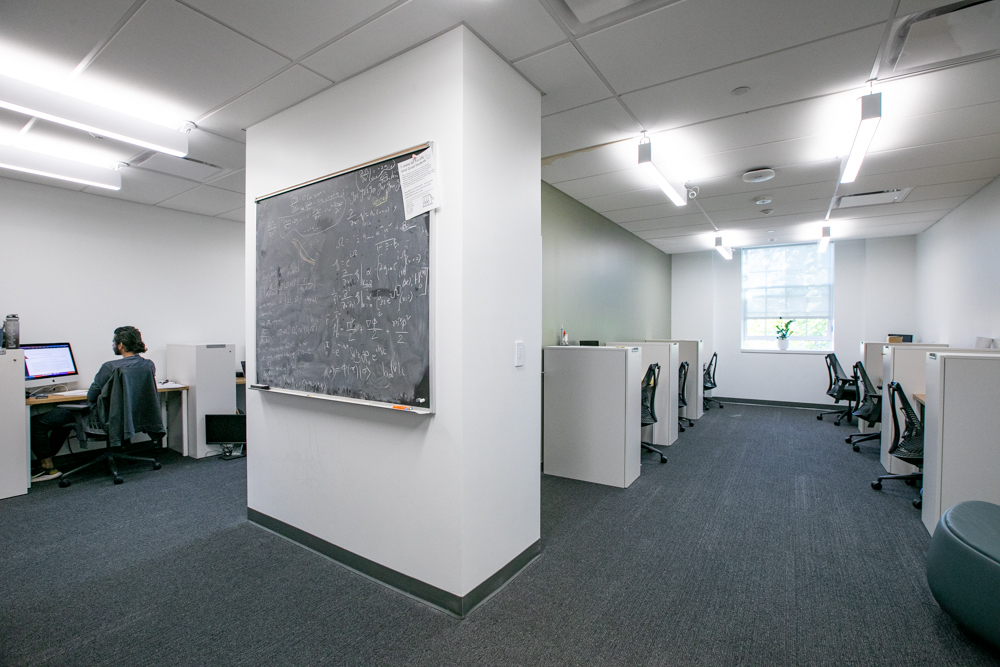
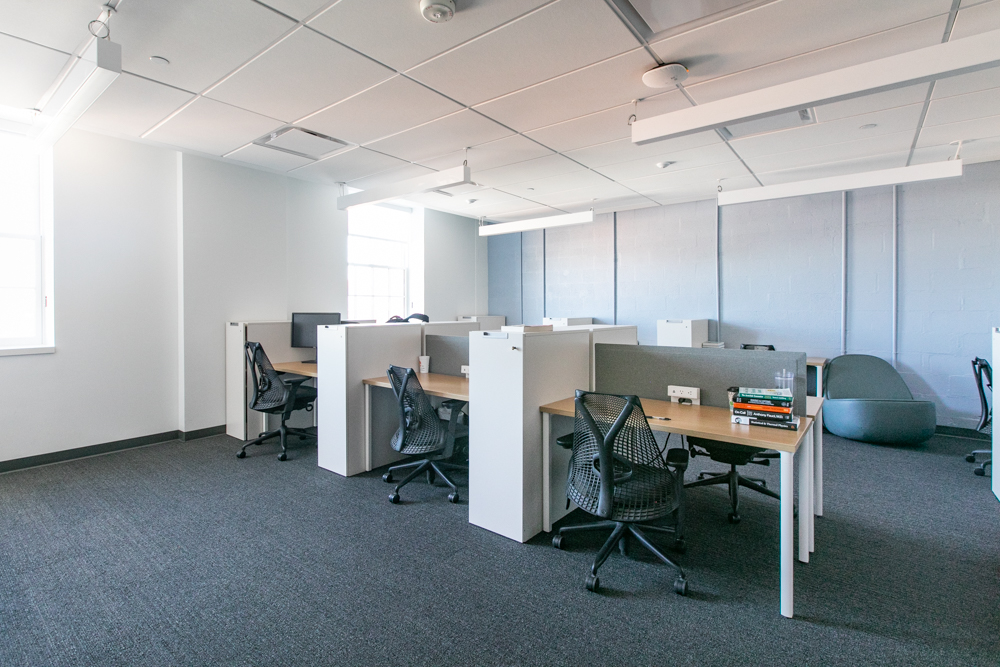
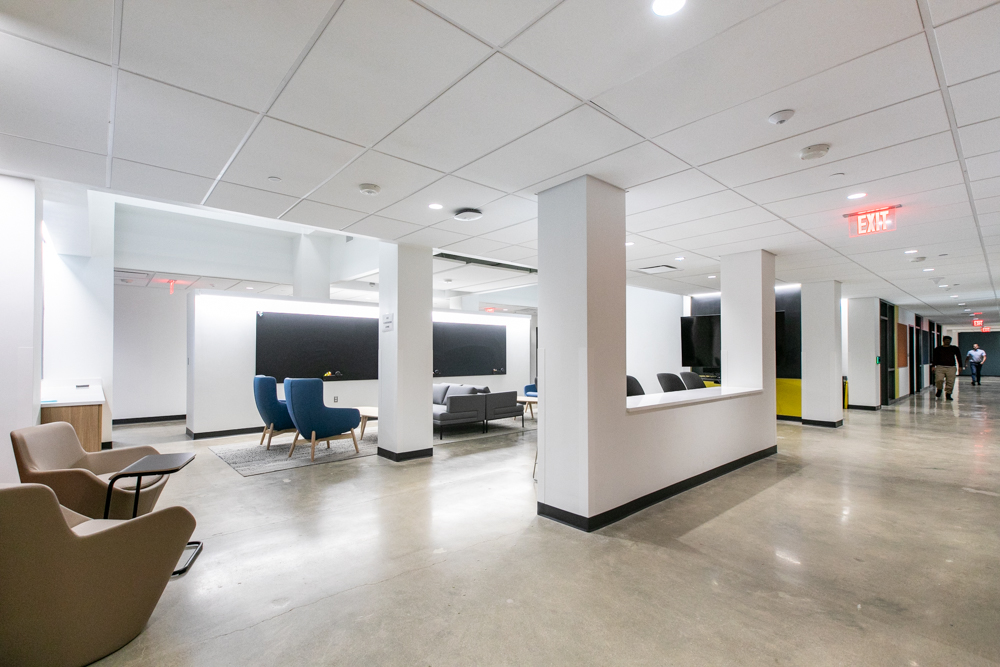
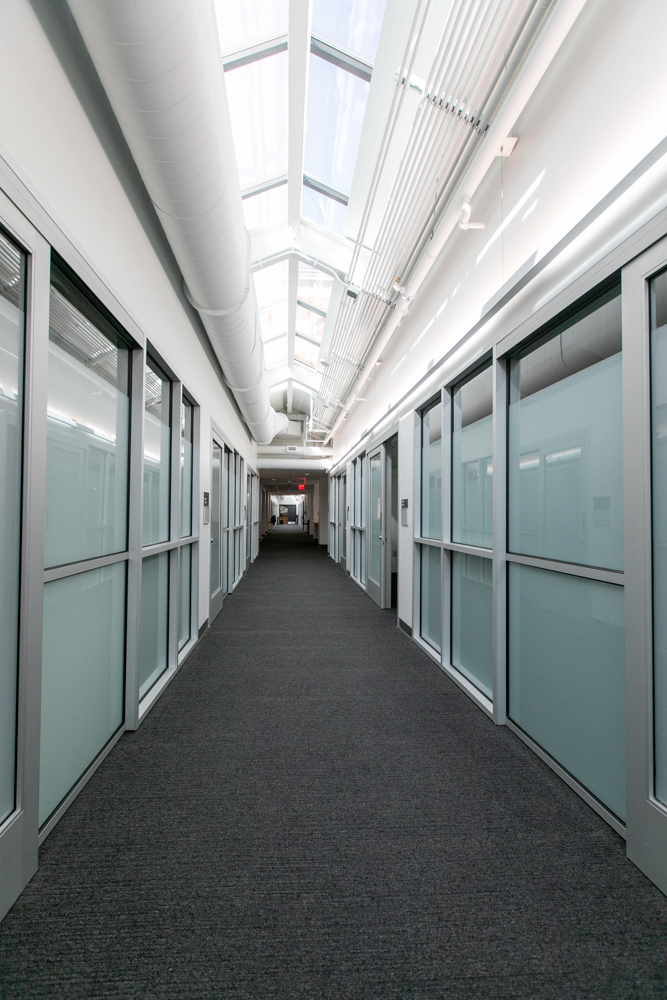
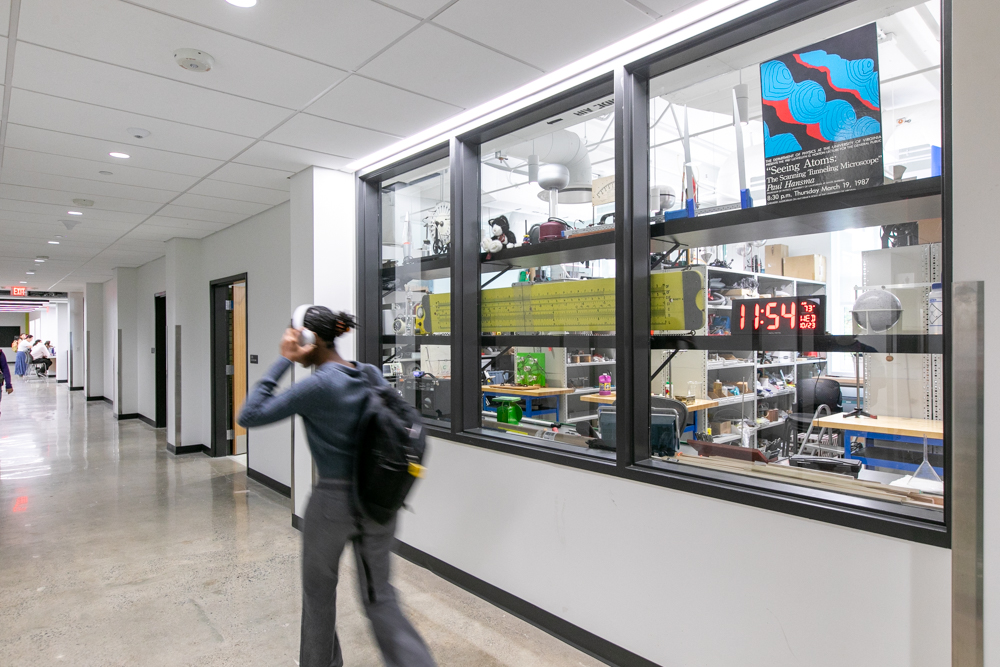
The facility features active-learning classrooms with integrated laboratory and wet-laboratory spaces. Additional areas include teaching labs, a café, fabrication spaces, shop support spaces, a study area, offices, and conference spaces.
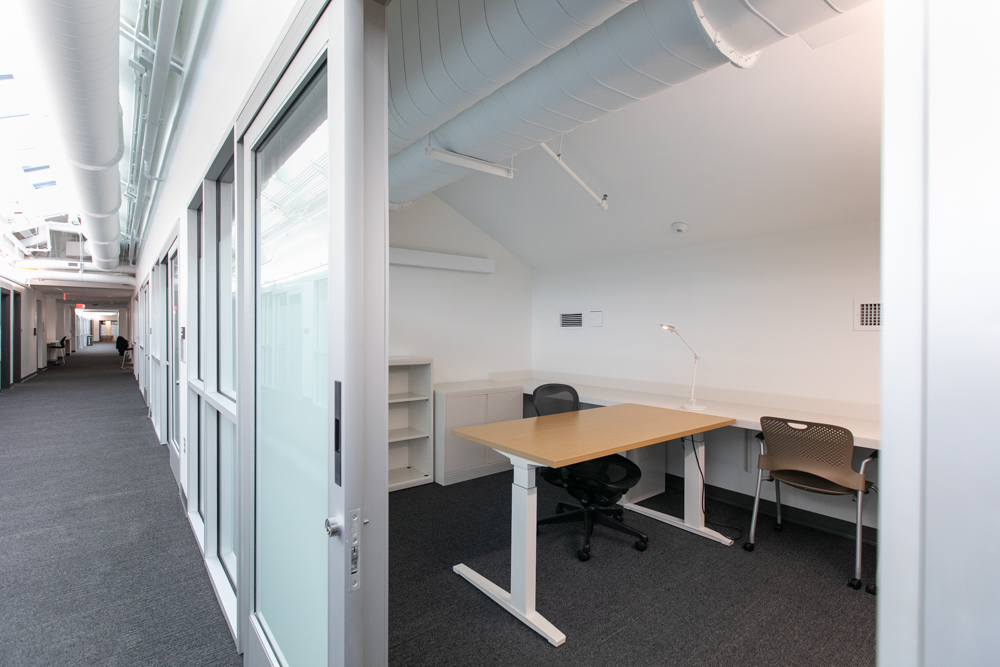
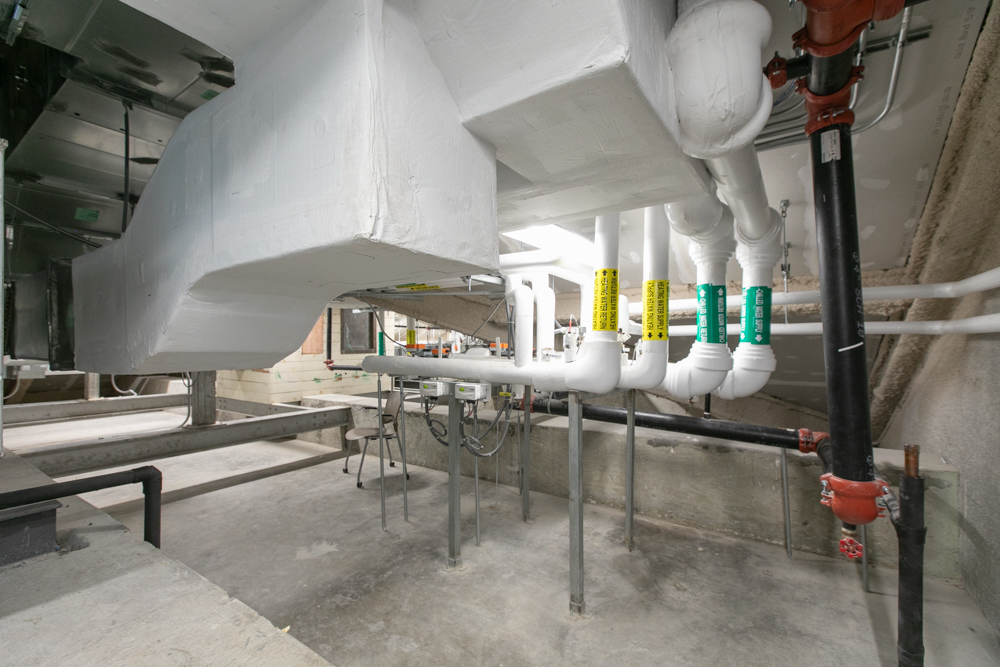
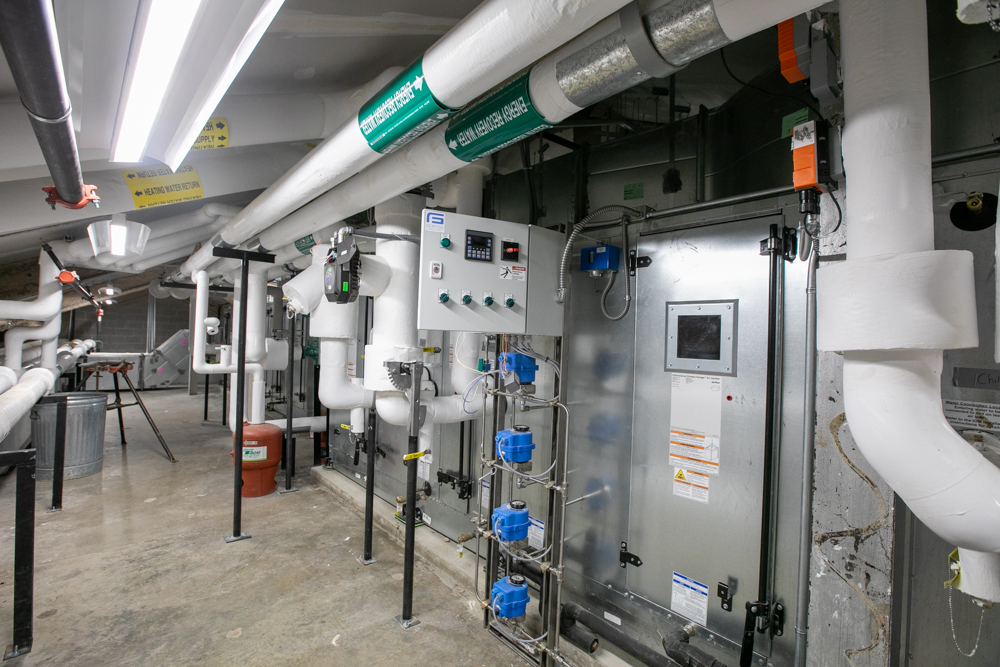
To preserve valuable program space for teaching and research activities, major air-handling units were strategically located in the east and west attic spaces. Integrating the equipment required careful coordination around the sloped roof, roof hips, and structural framing while maintaining equipment accessibility, service clearances, and adequate lighting for maintenance.
To provide flexibility for the fabrication of experiments, snorkel exhausts were incorporated into the lab spaces to remove contaminants from the air. Separate dedicated outdoor air units and exhaust air units with dual run-around loops to eliminate cross-contamination and provide energy recovery. The new system also maintains extremely stable temperature and humidity conditions in the lab spaces, critical for research and experiments.
The comprehensive replacement of electrical systems includes a generator, switchgear, a transformer, and IT wiring. The design includes a new building automation system (BAS) with digital controls connected to the central campus BAS.
The building originally relied on natural ventilation, window units, and hot water radiators. The new energy-efficient HVAC system provides positive building pressurization, dehumidified air, improved ventilation, and precise environmental control. The design modernizes the building while maintaining its historic integrity, creating sophisticated multidisciplinary research and learning spaces, increasing flexibility for evolving programs and teaching methods, and improving occupant comfort, safety, and code compliance.
Goody Clancy Architects
Jamerson-Lewis Construction
VHB
Thornton Thomasetti
Shift Sustainability Consulting