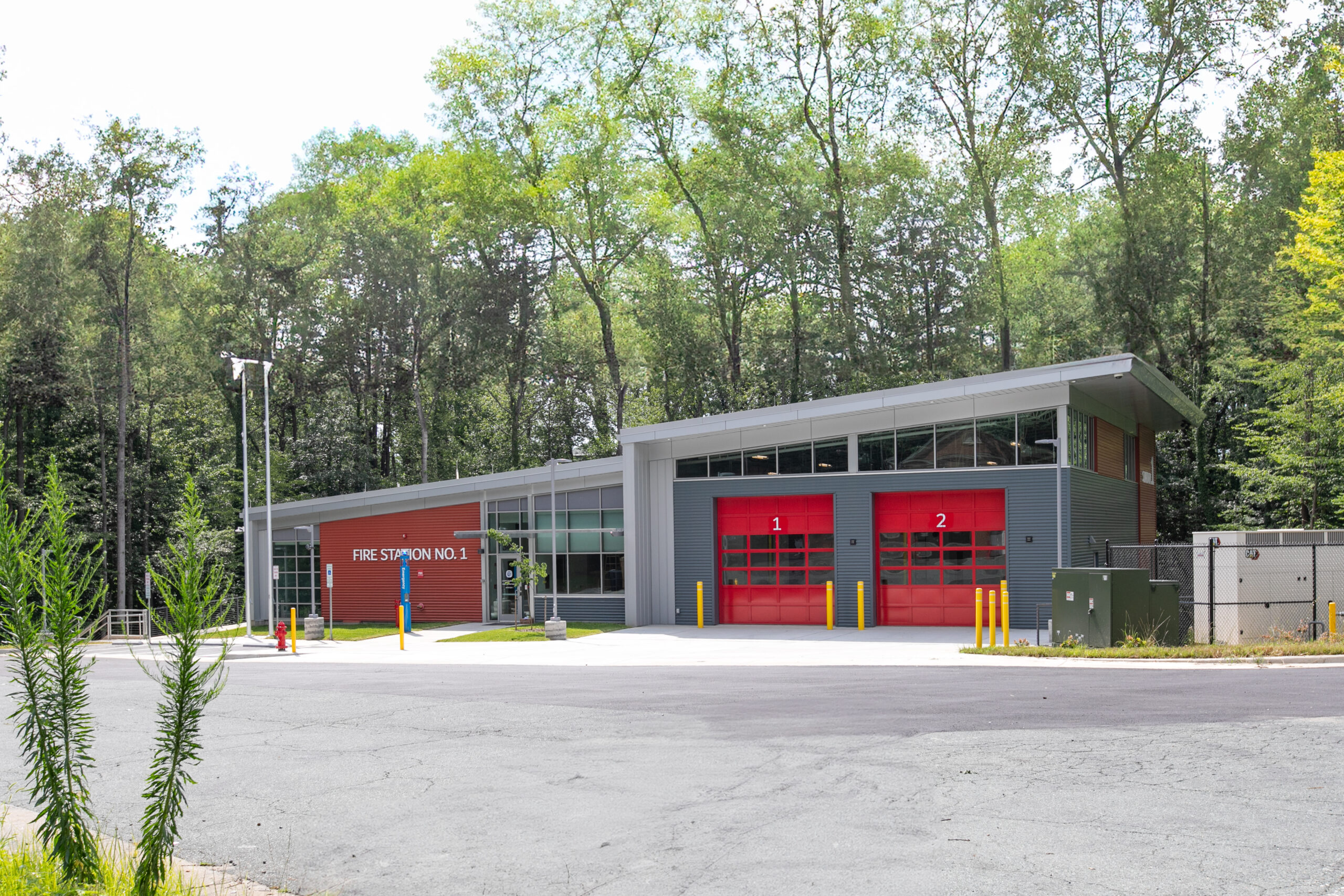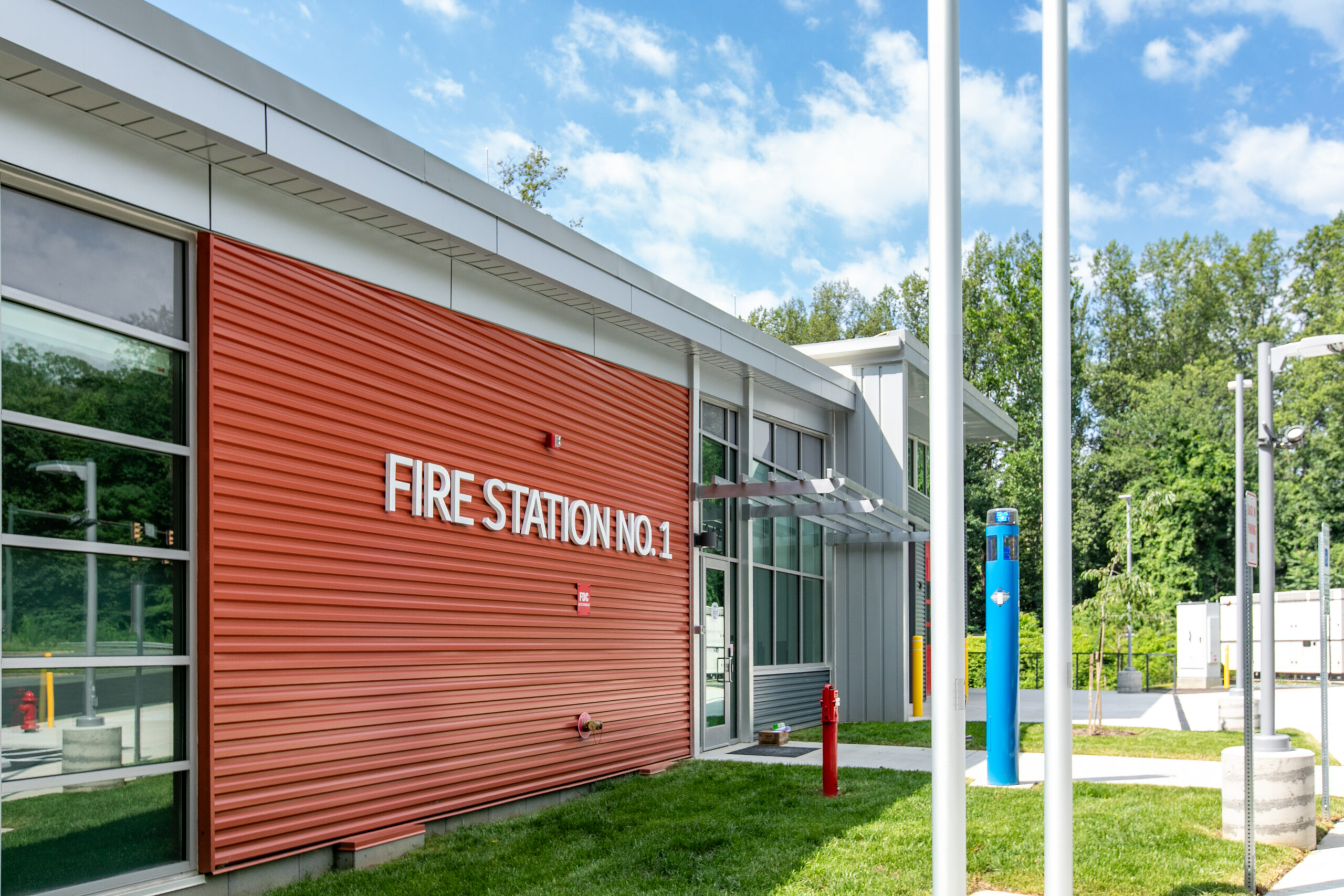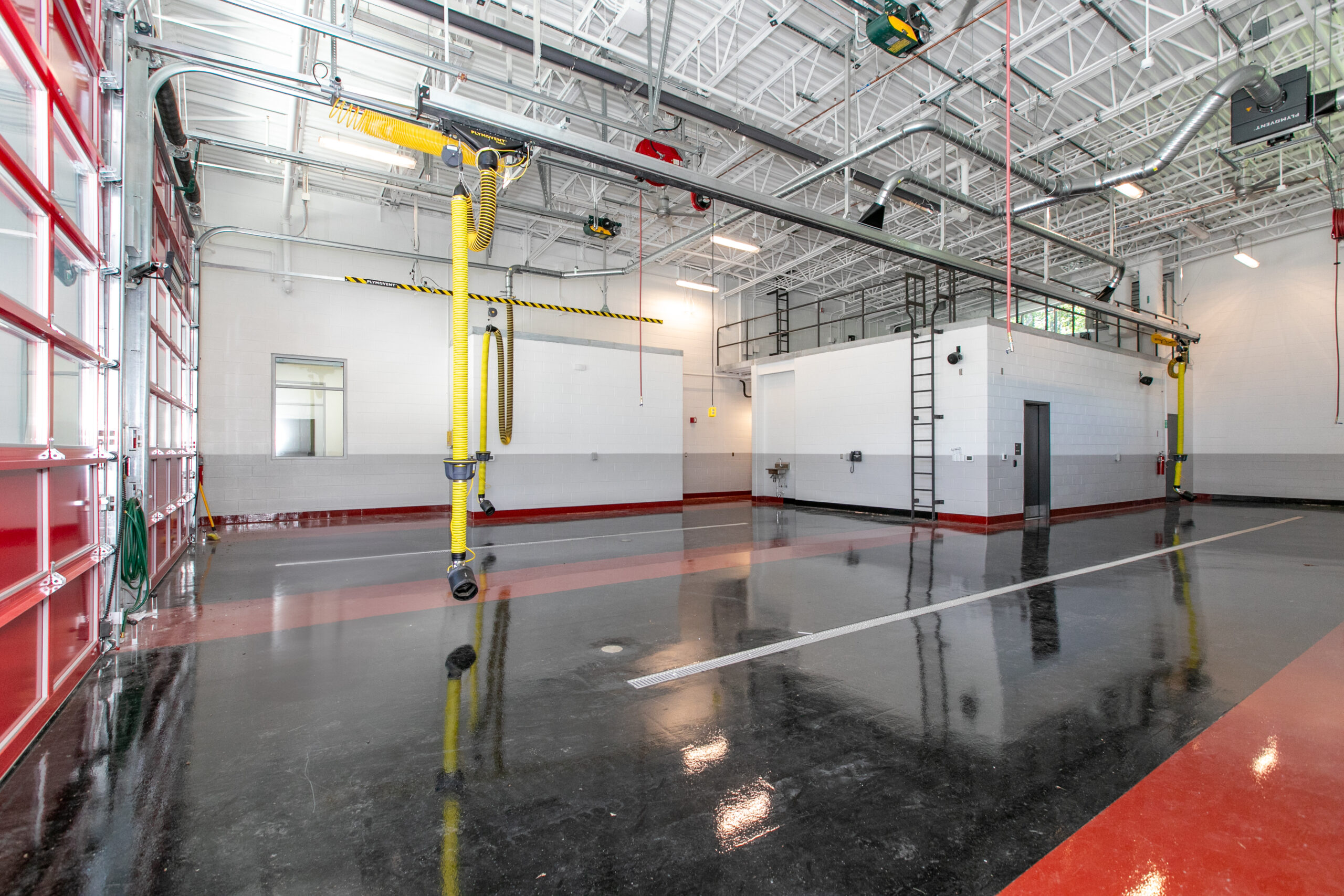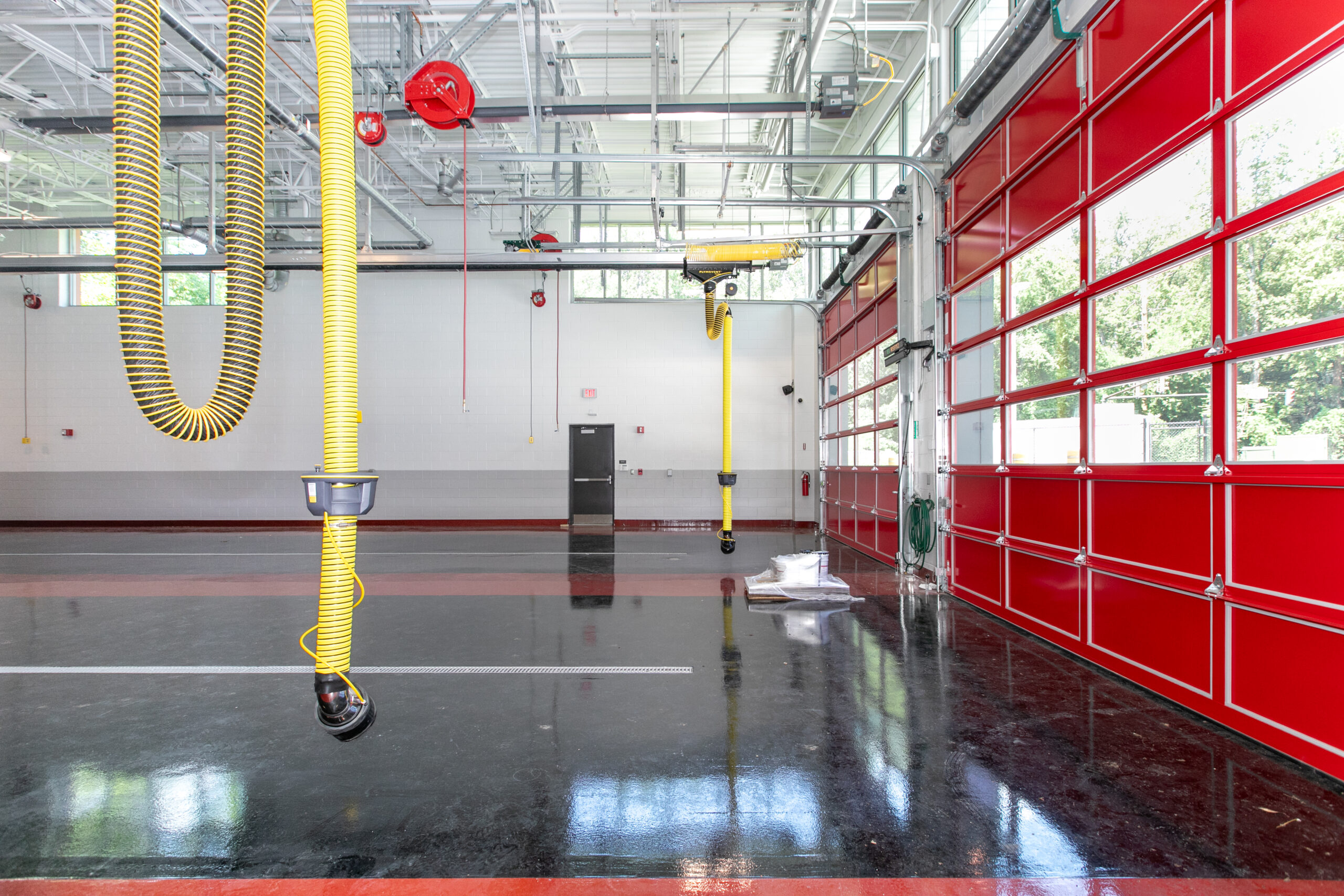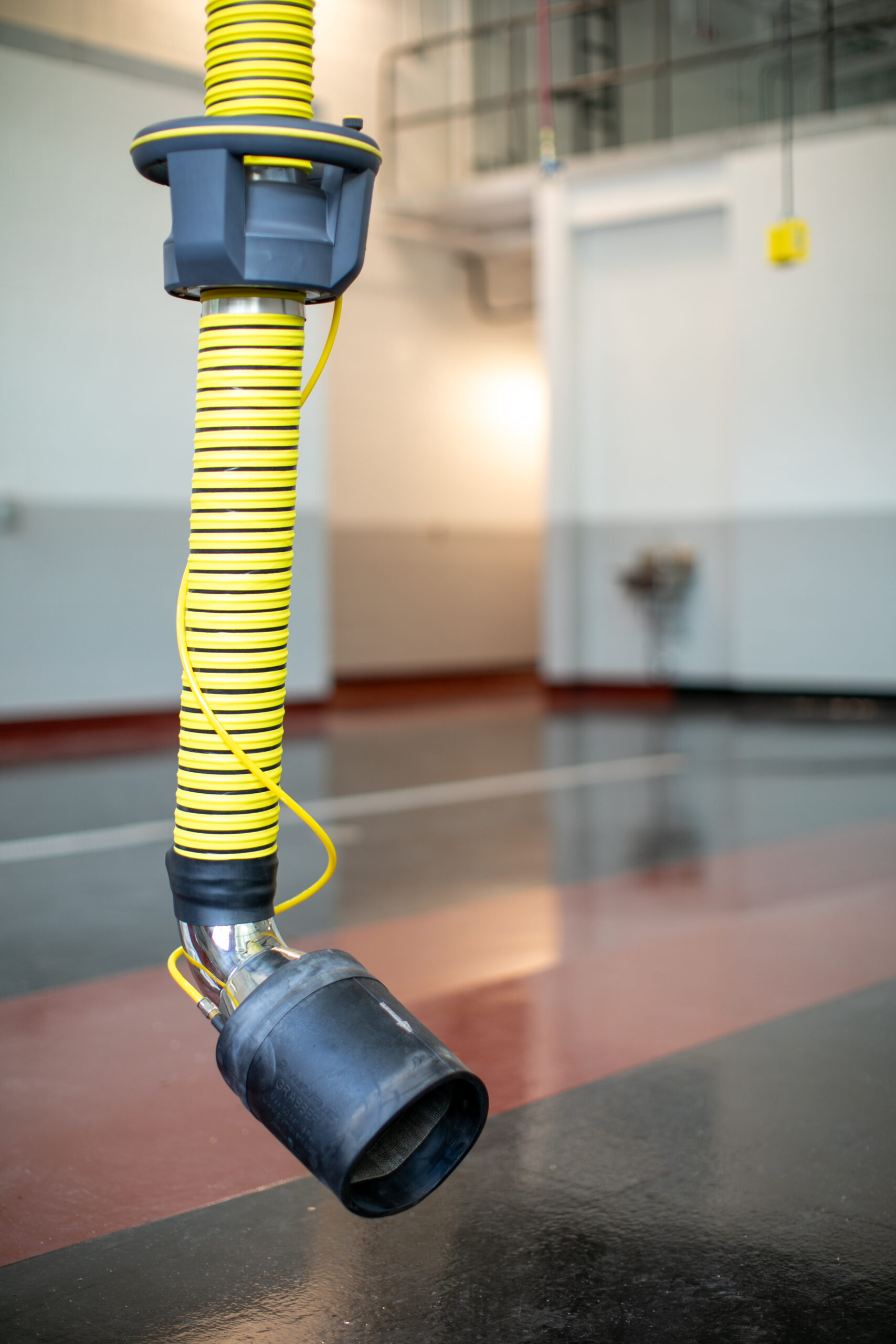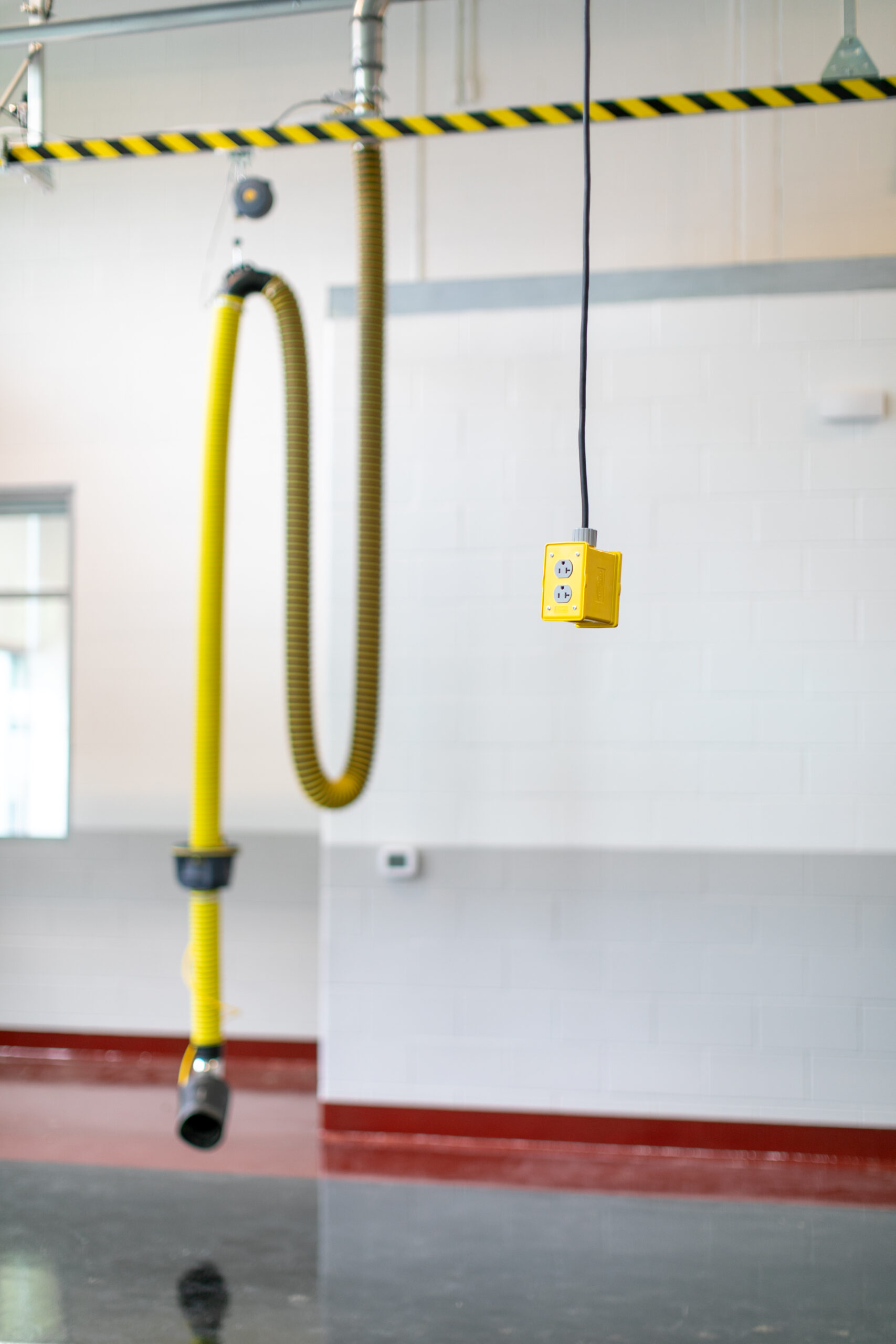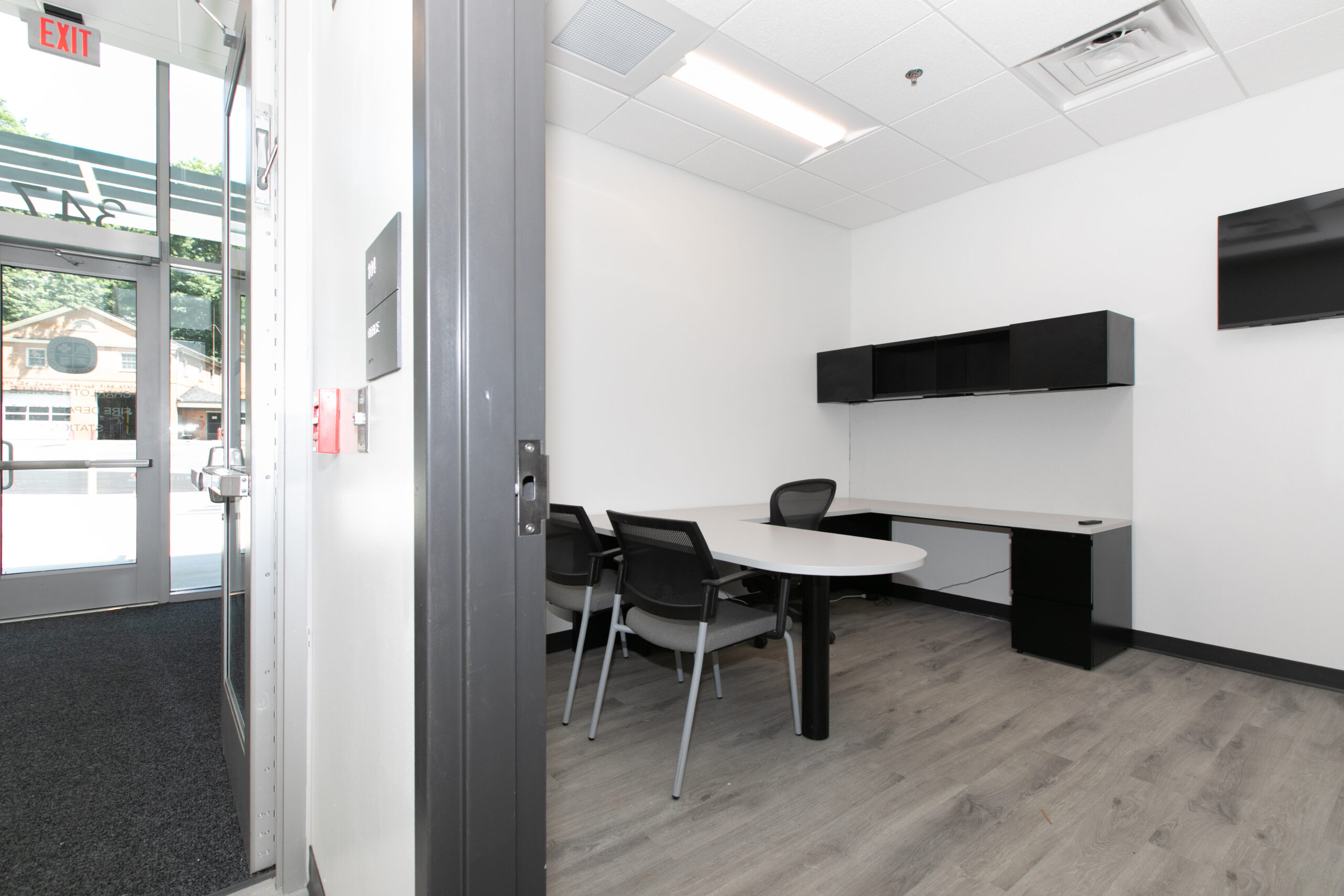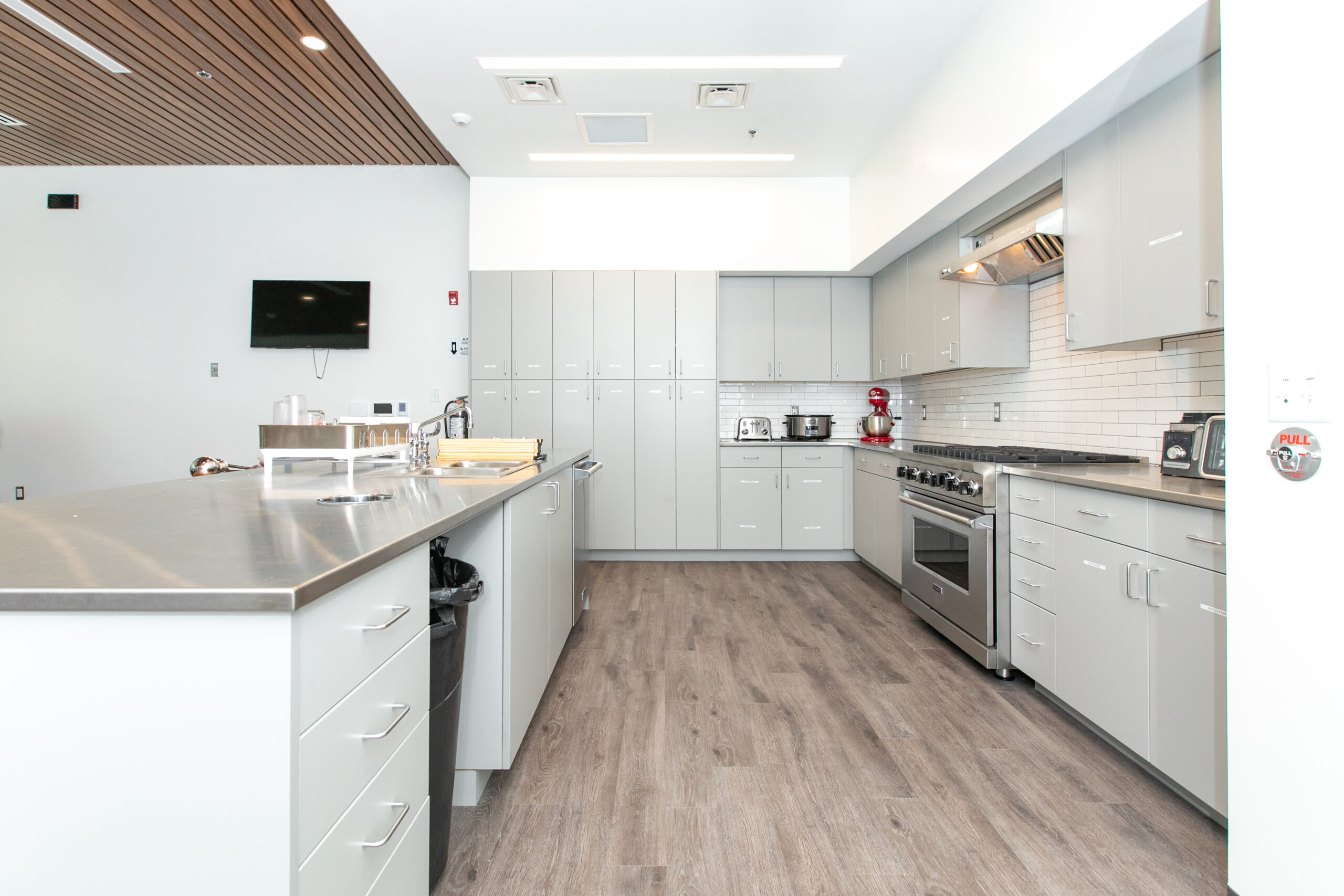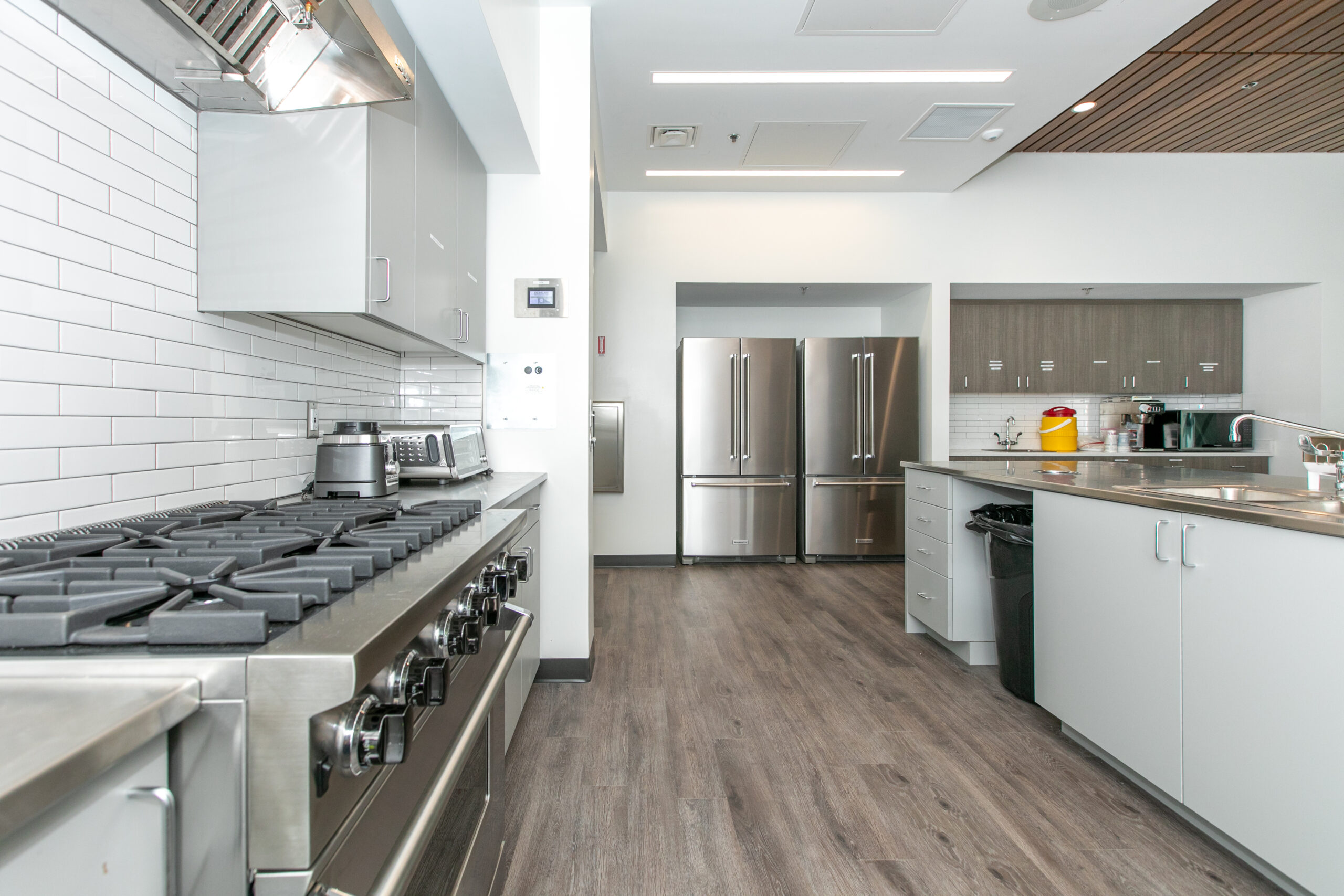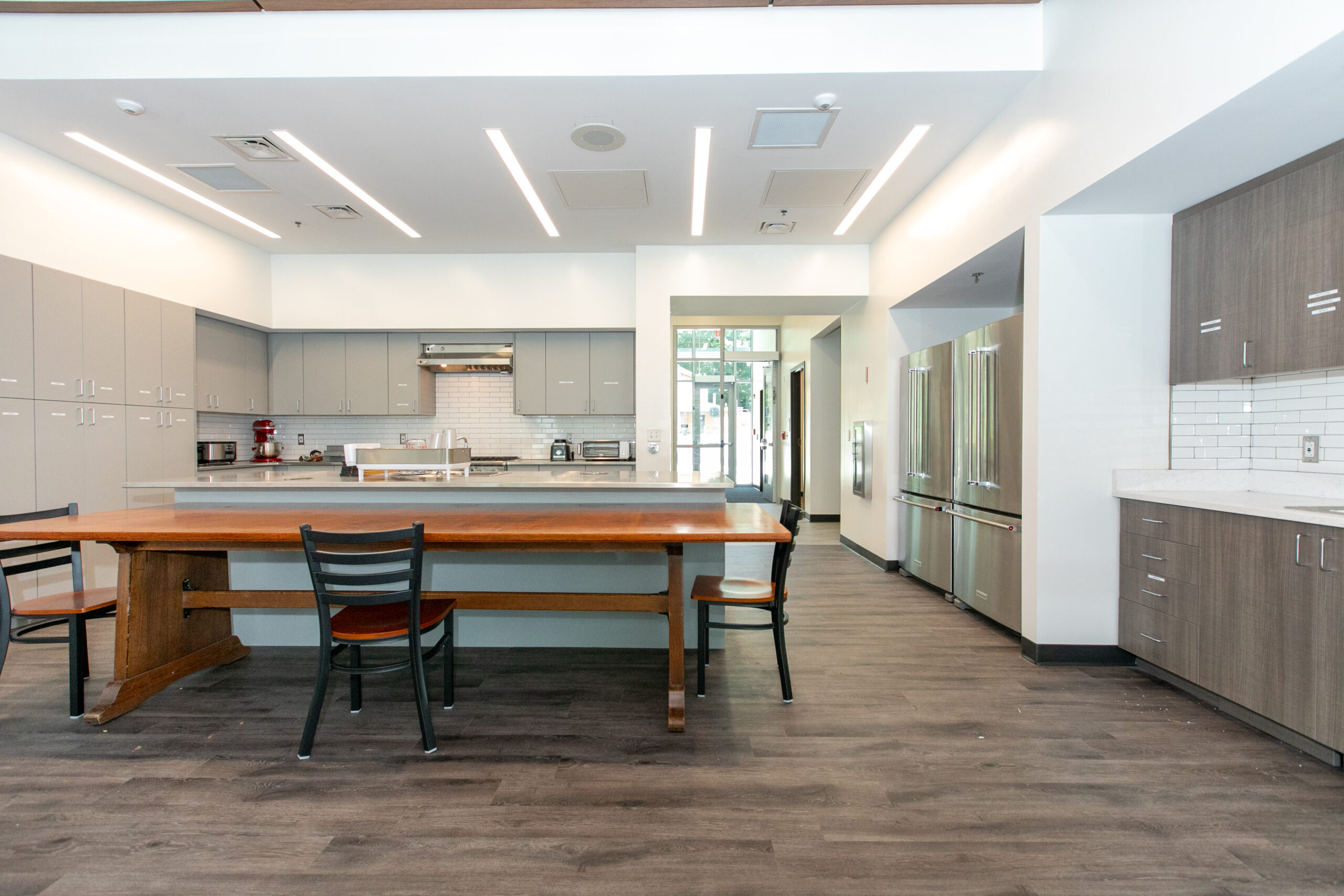

MEP engineering for Charlottesville Bypass Fire Station 1 supports a 24/7 facility designed for rapid response, firefighter health, and long-term resilience. The design includes zonal split heat pumps, an energy recovery ventilator, a roof-mounted photovoltaic array, full-building backup power, and systems that separate living areas from apparatus bays to reduce exposure risks. Systems were selected to optimize energy performance, indoor environmental quality, and support continuous operation with flexibility for future expansion.
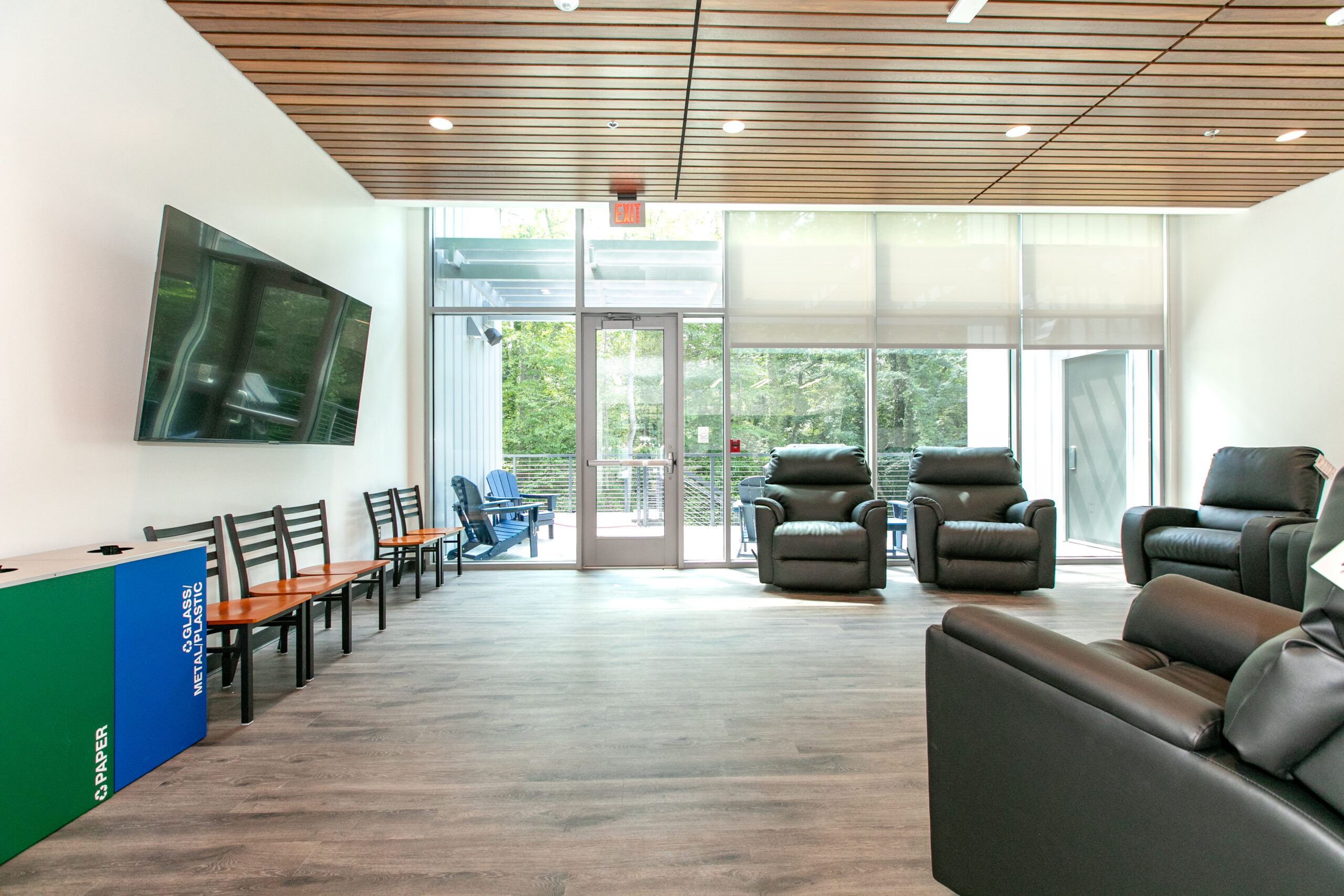
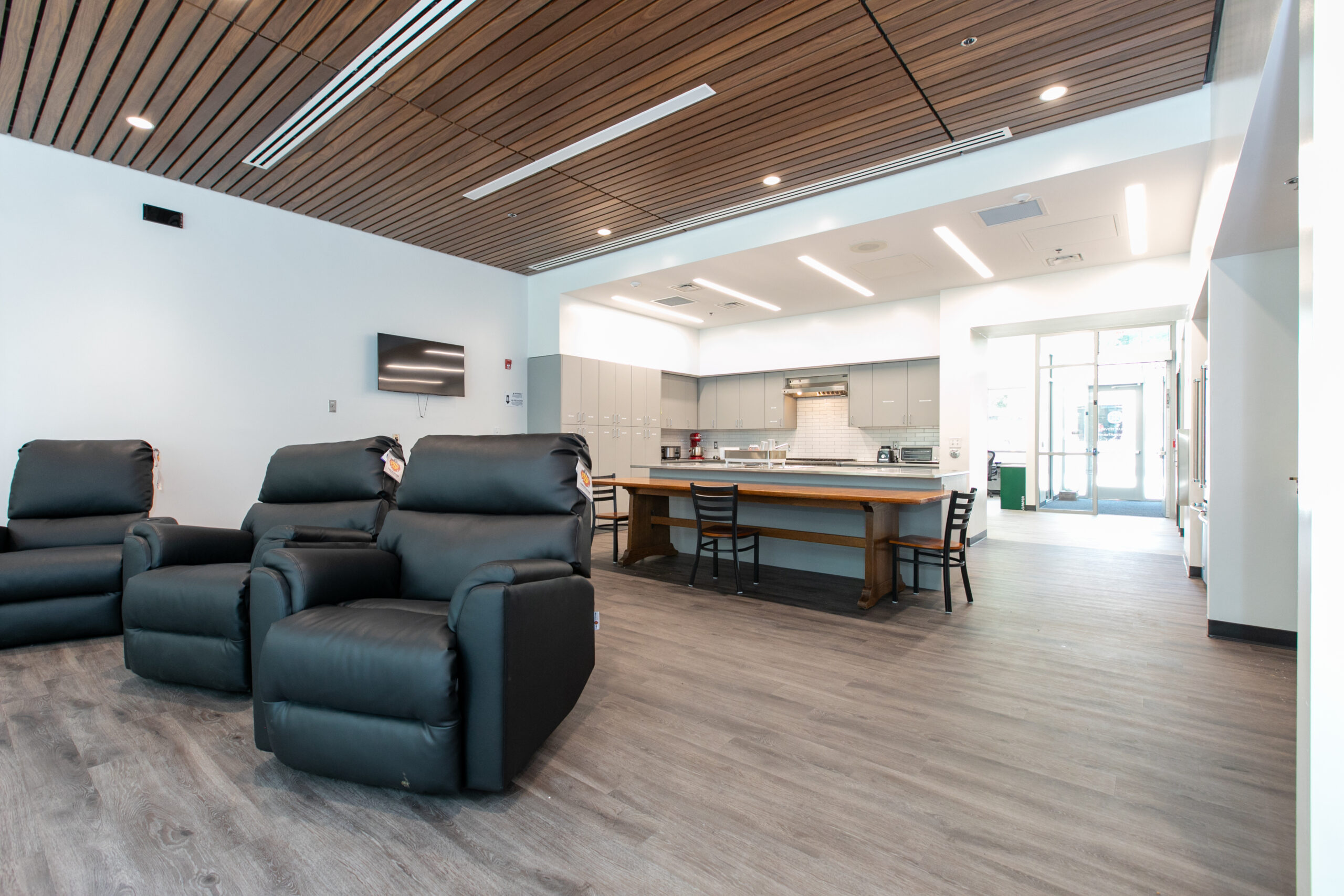
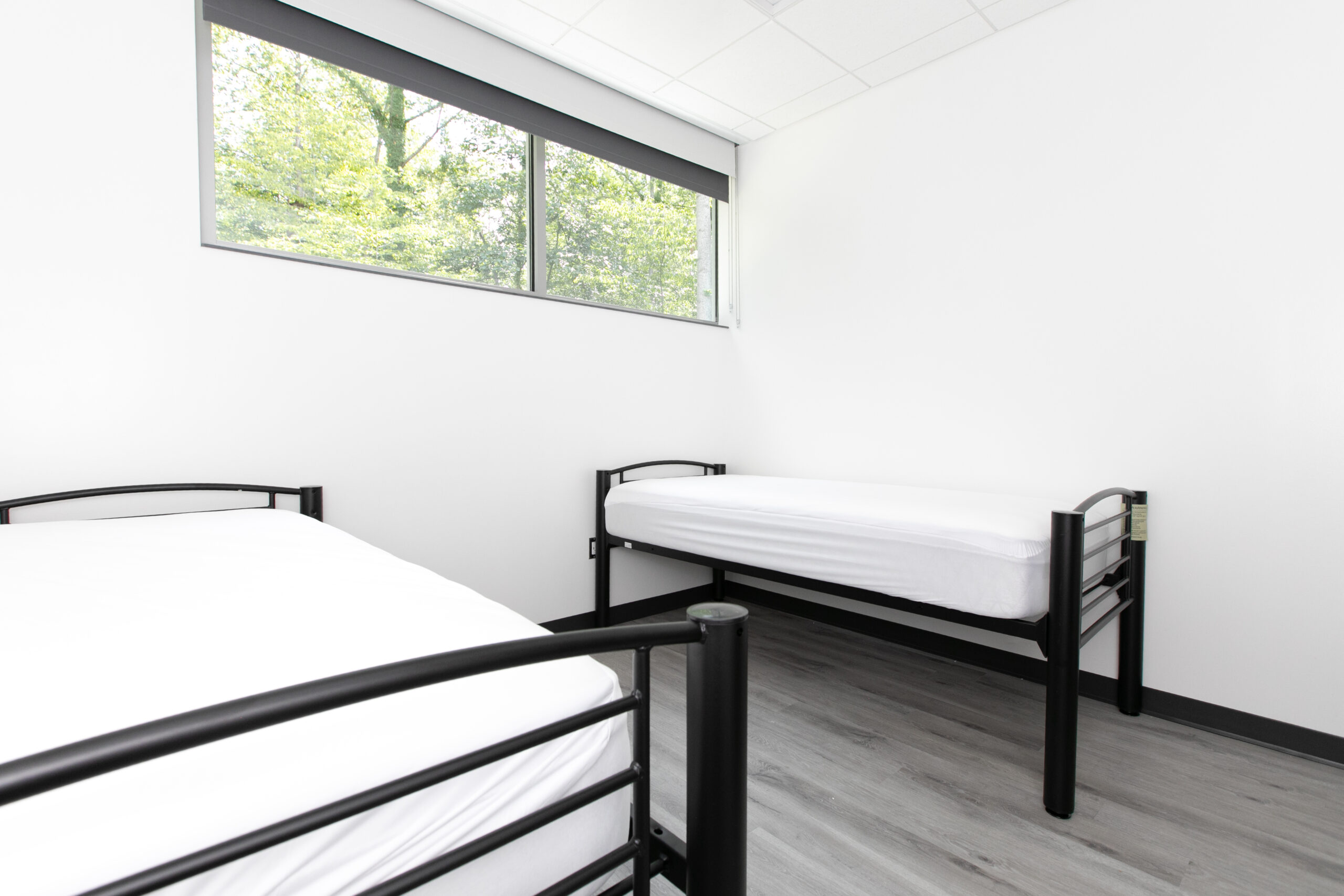
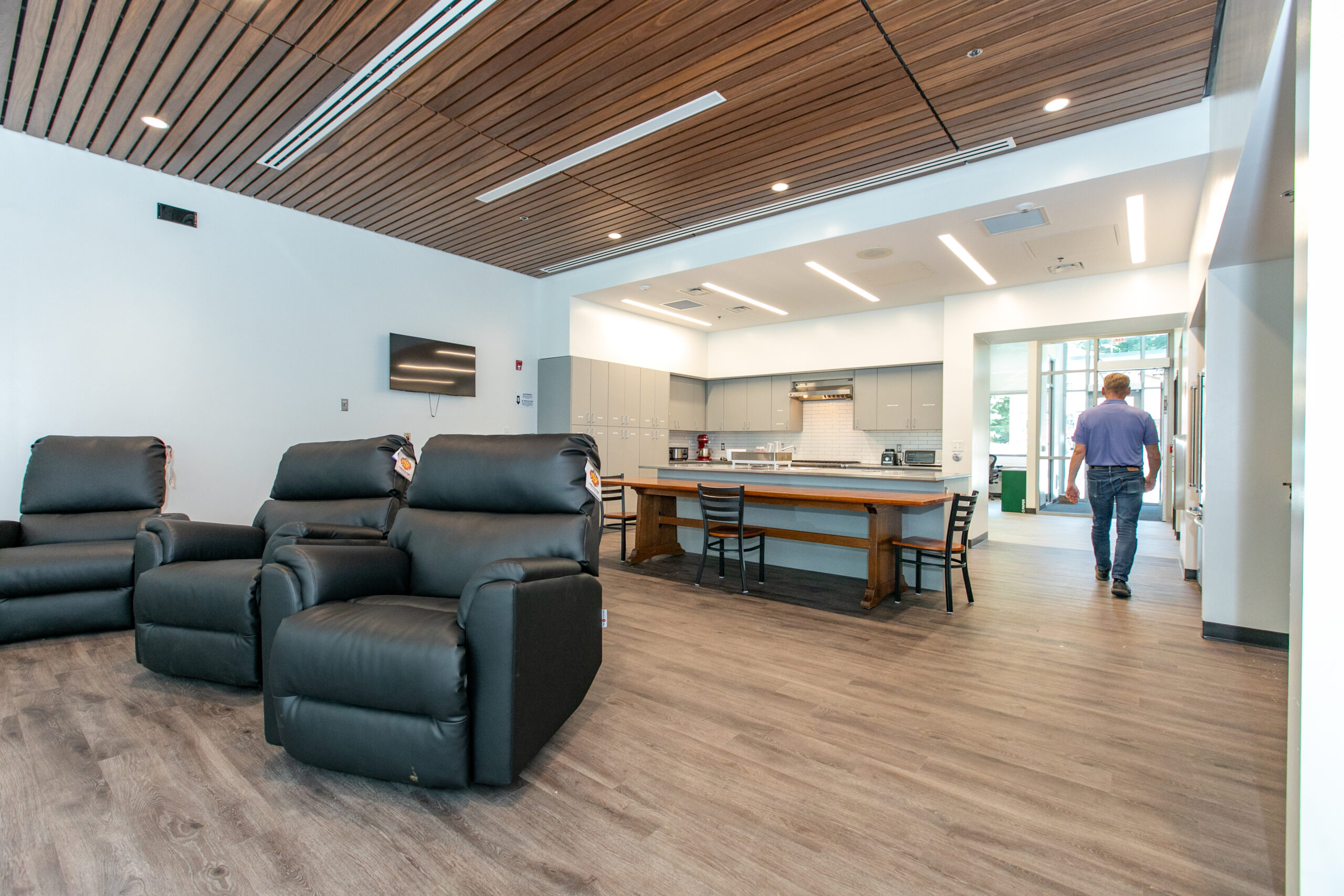
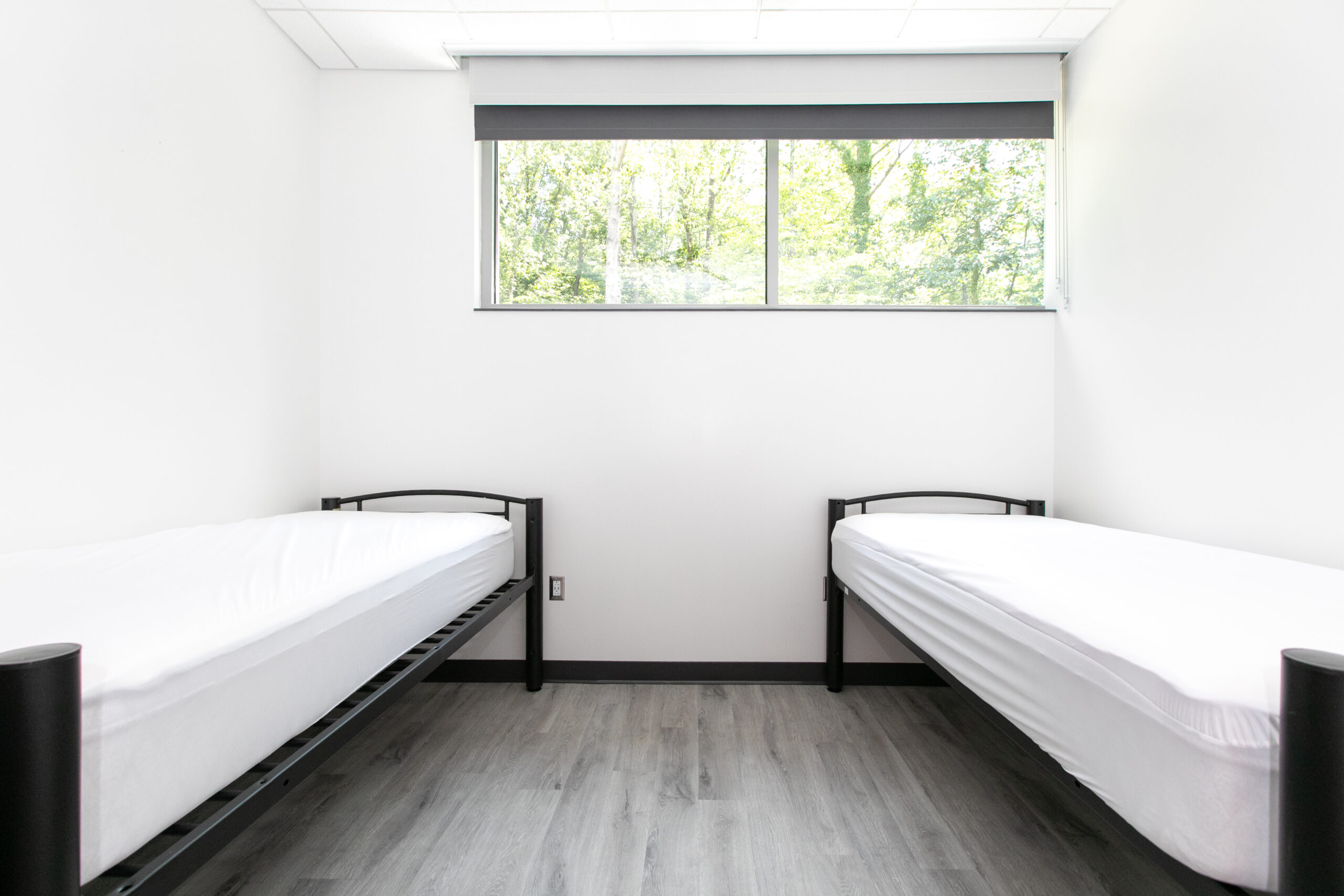
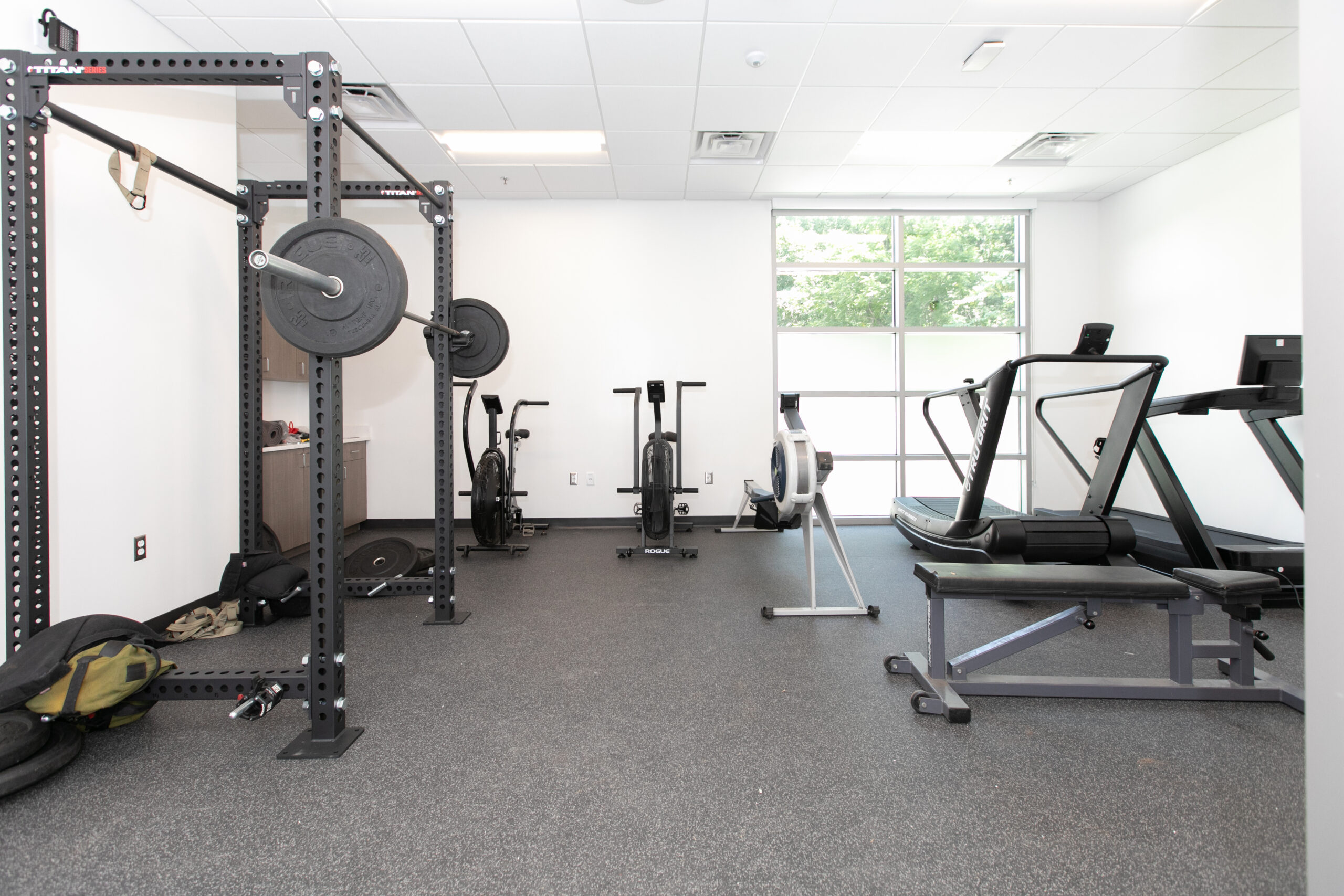
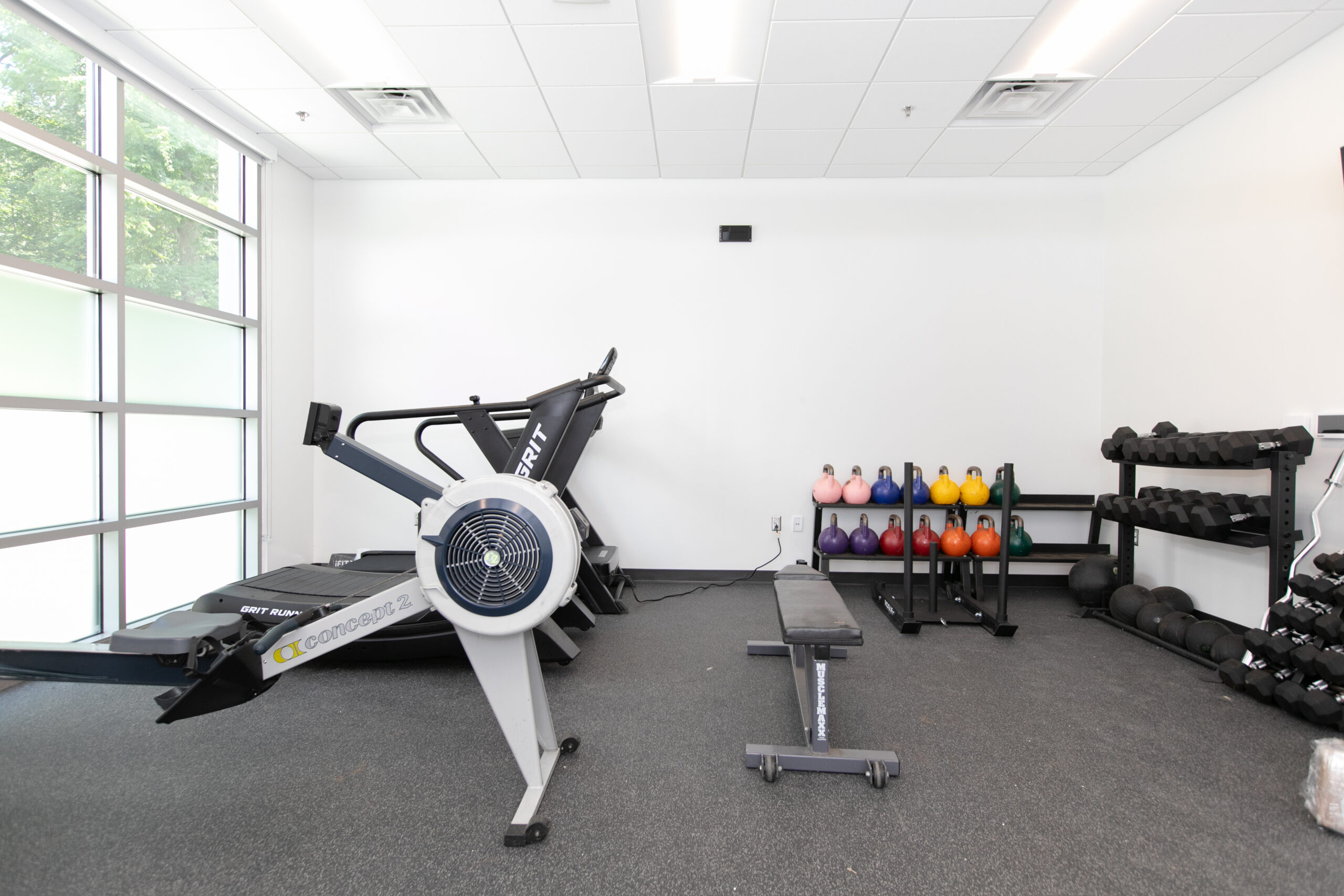
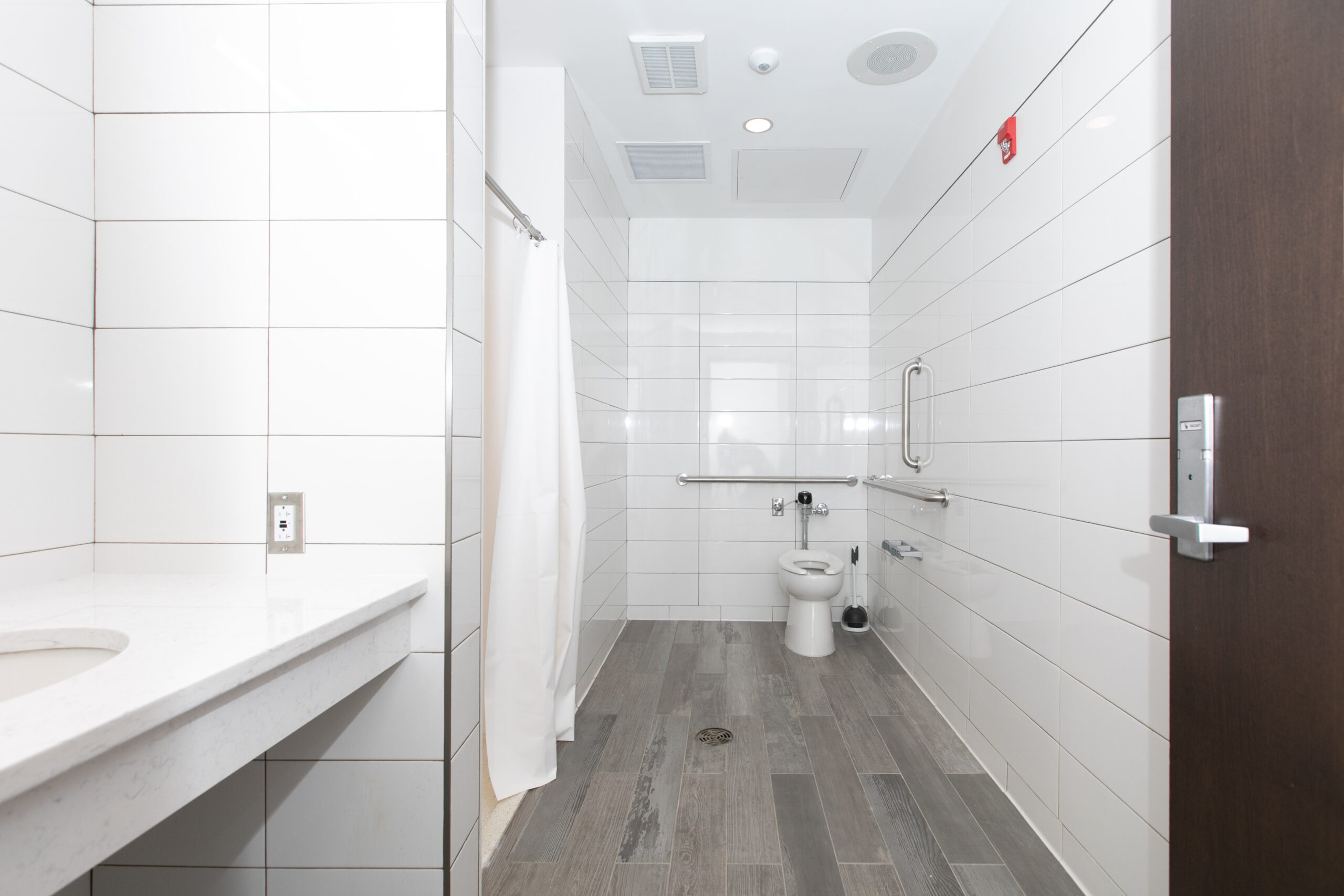
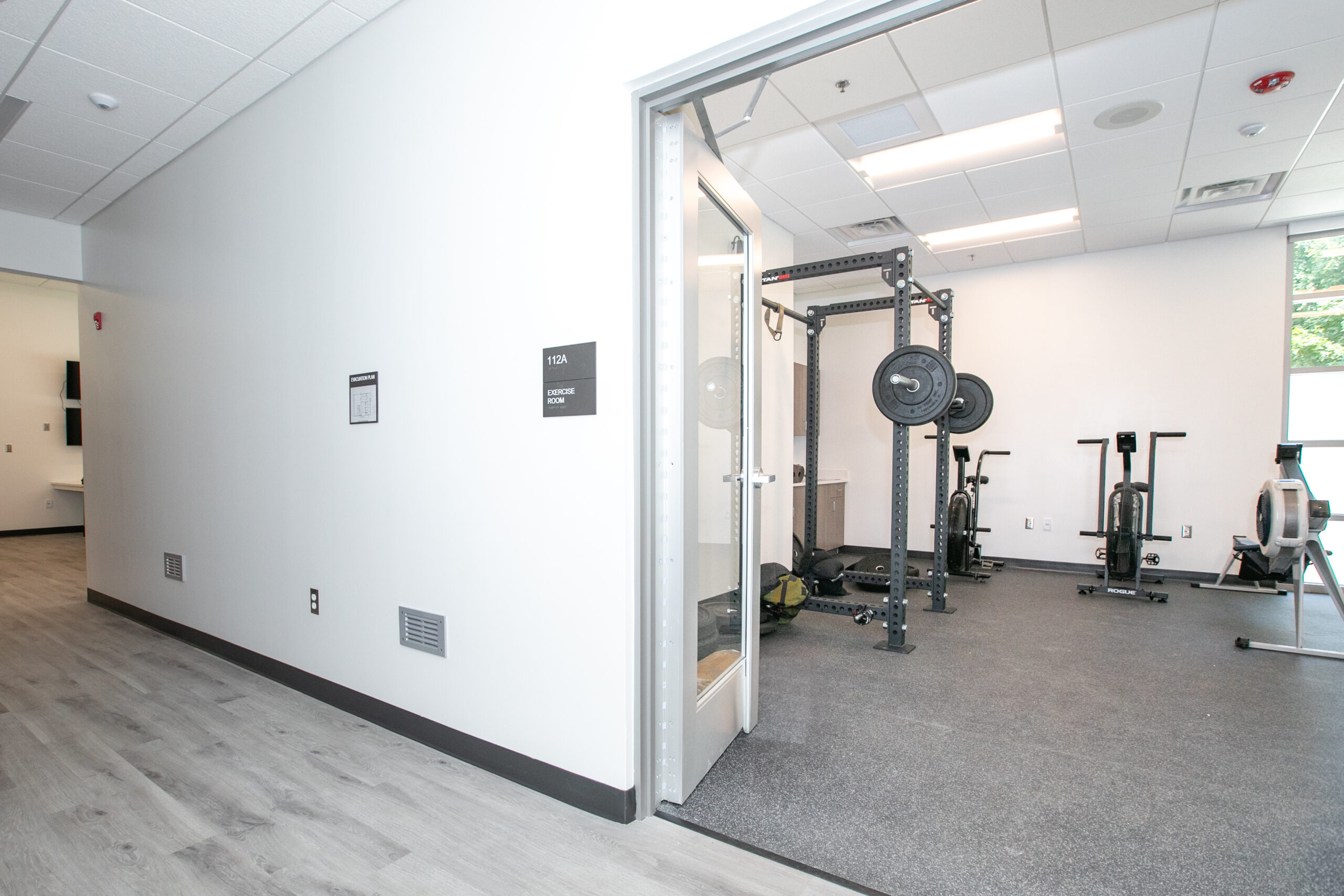
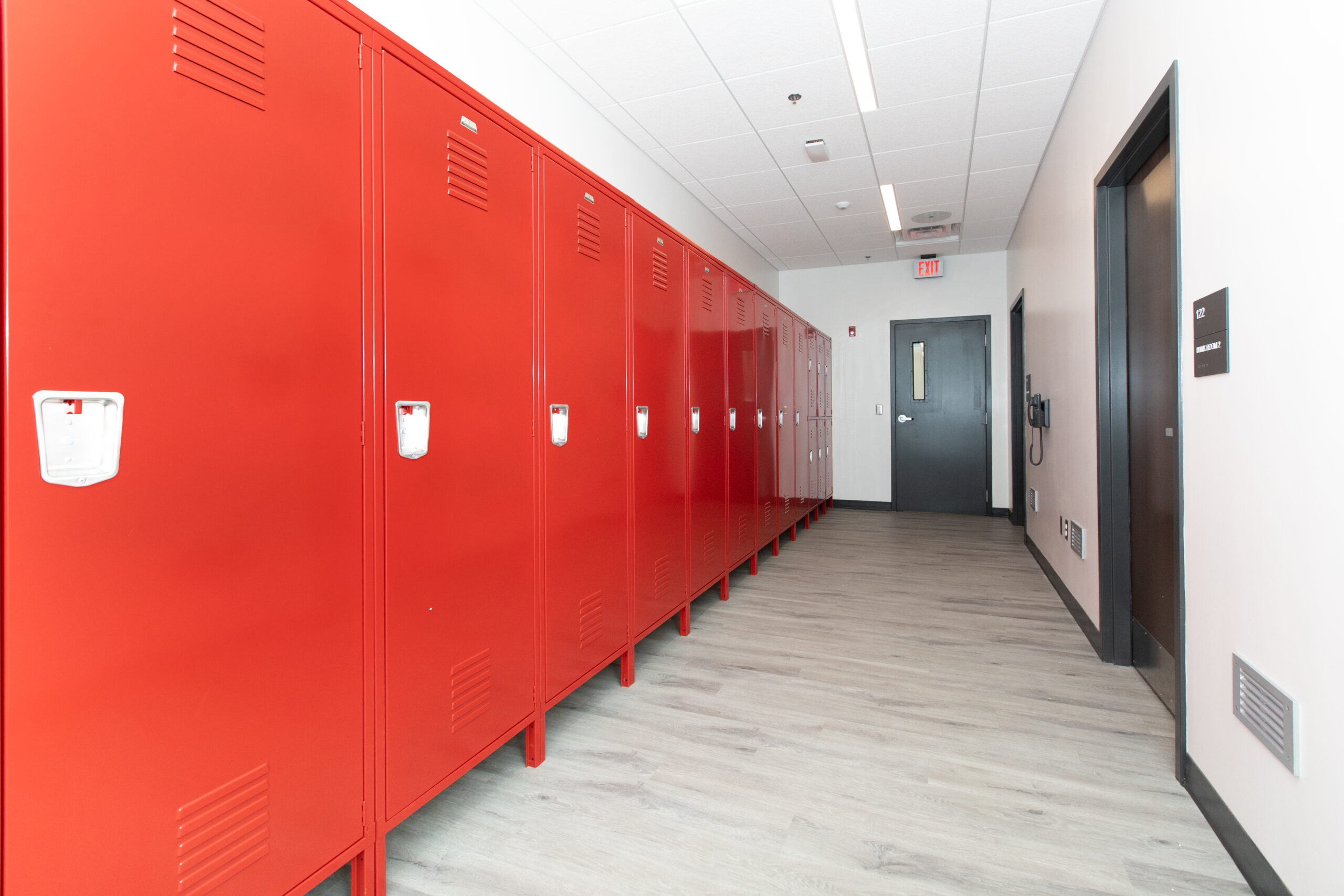
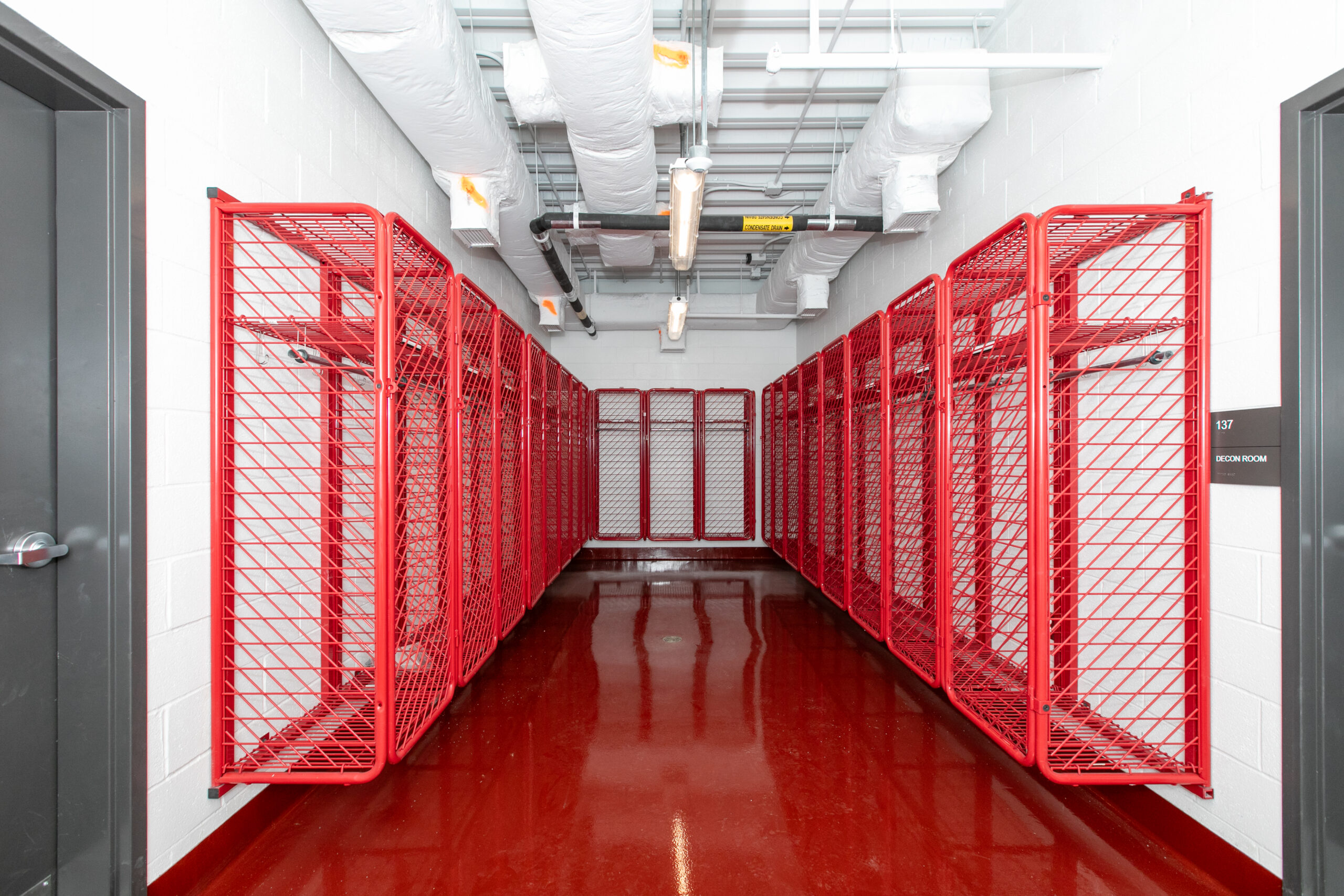
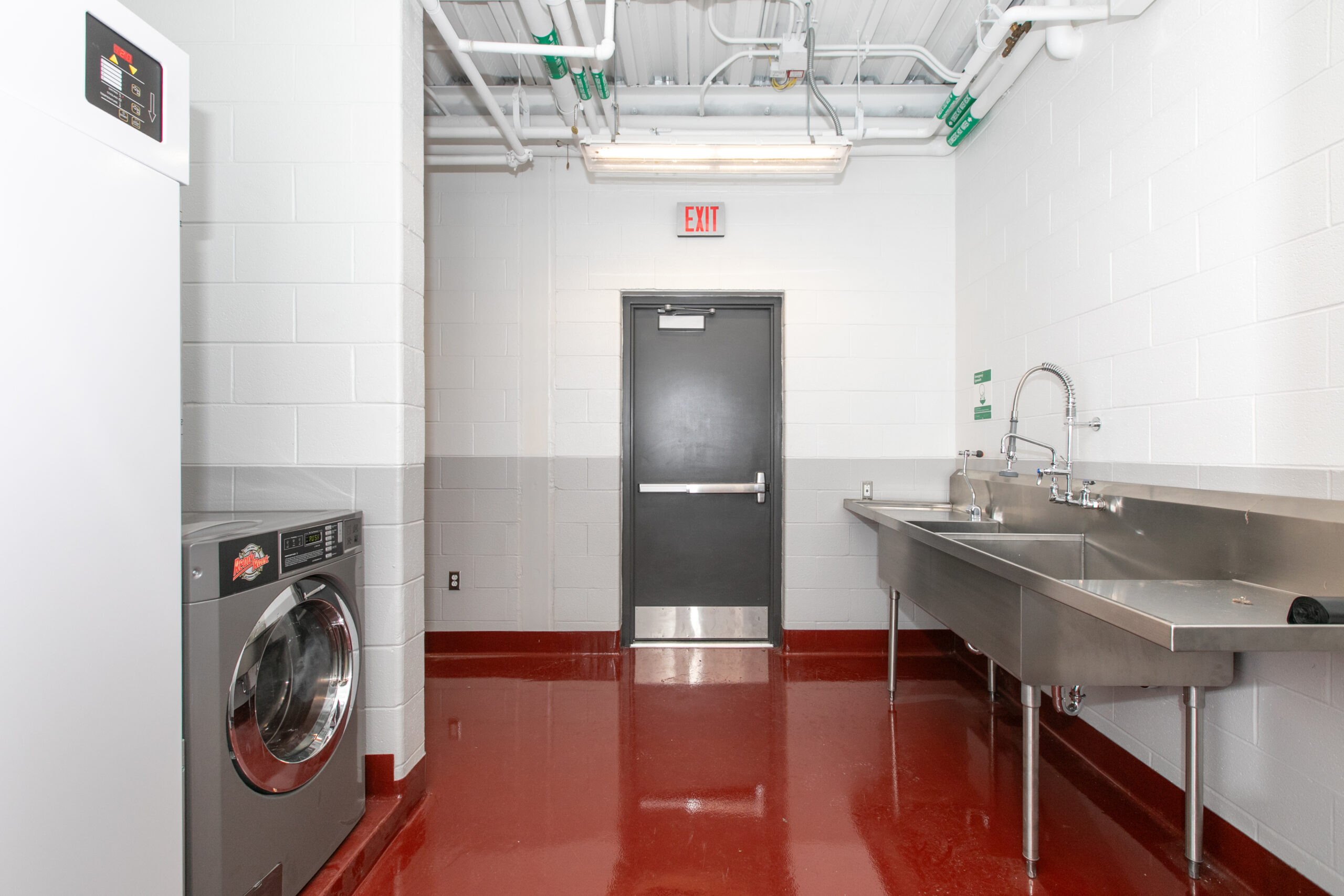
Charlottesville Bypass Fire Station 1 was designed and built to enhance operational capacity, safety, and long-term sustainability for the City’s fire services. The 24/7 facility features two levels. The Main Level houses the apparatus bays, residential spaces, main entry, and the watch room, while the Lower Level contains utility rooms and storage. The station’s layout allows for a rapid response from any location and clearly separates public and residential zones, protecting the privacy and well-being of staff. In alignment with best practices for firefighter health, the building provides physical separation between living spaces and vehicle bays to reduce the spread of airborne carcinogens.
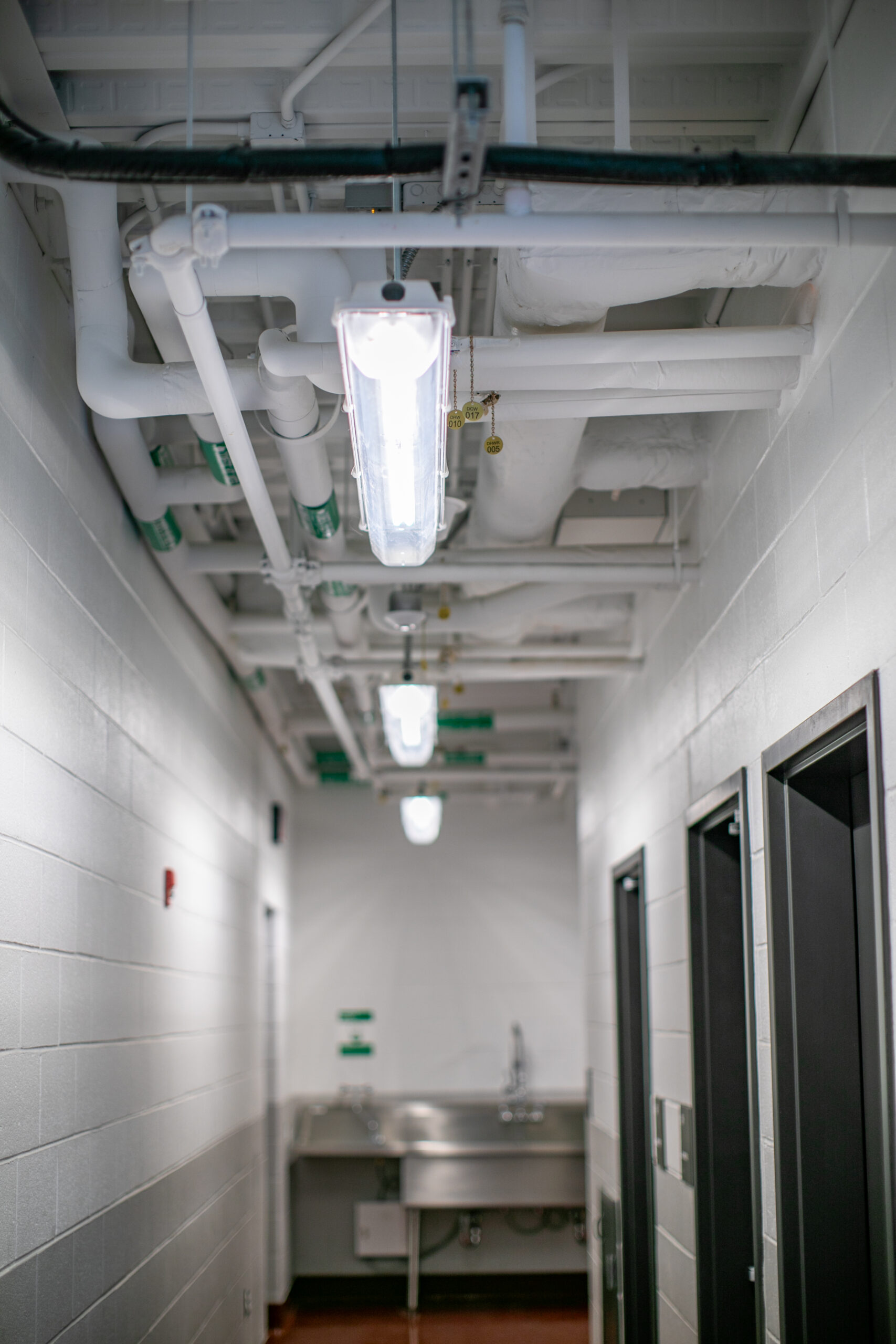
The design supported the City’s sustainability goals by targeting LEED v4 Silver certification. MEP systems were selected to optimize energy performance and indoor environmental quality, including zonal split heat pumps for heating and cooling, an energy recovery ventilator (ERV) for bringing in outdoor air, and a roof-mounted photovoltaic (PV) array. Additional features include energy-efficient lighting, full-building backup power, and infrastructure designed for 24/7 operation and future expansion—ensuring long-term resilience and alignment with evolving public safety needs.
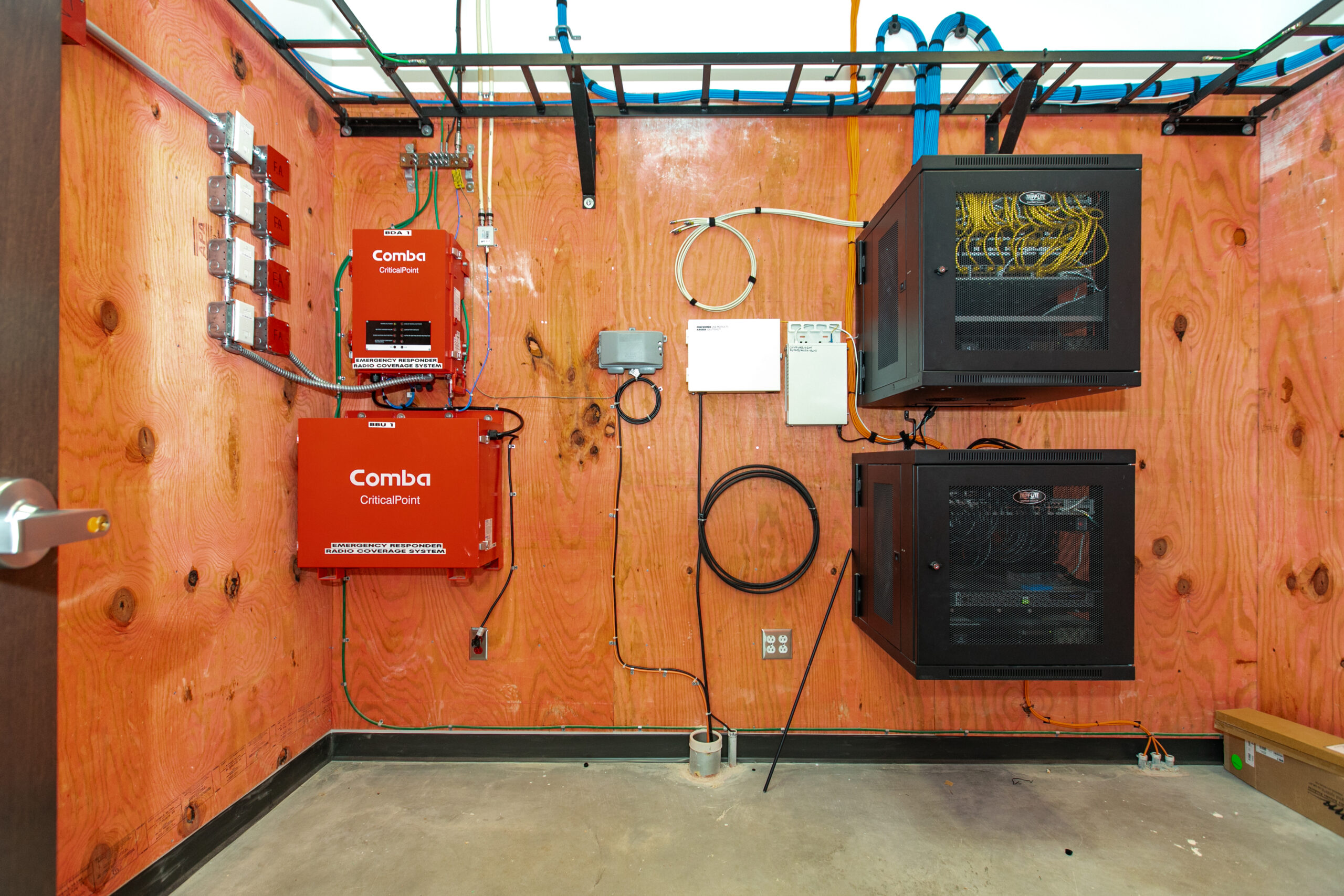
MEP systems at Fire Station 1 enhance comfort, safety, and resilience for firefighters and staff. High-efficiency HVAC and ventilation improve air quality and reduce energy use, while backup power and future-ready infrastructure support uninterrupted, around-the-clock operations.
A modeled site energy use intensity (EUI) of 38.8 kBtu/ft² per year, representing a 26% reduction in energy use compared with the baseline, with on-site renewable energy reducing the net EUI to 25.3 kBtu/ft² per year and increasing the total reduction to 52%.
Little Diversified Architectural Consulting
Nielsen Builders