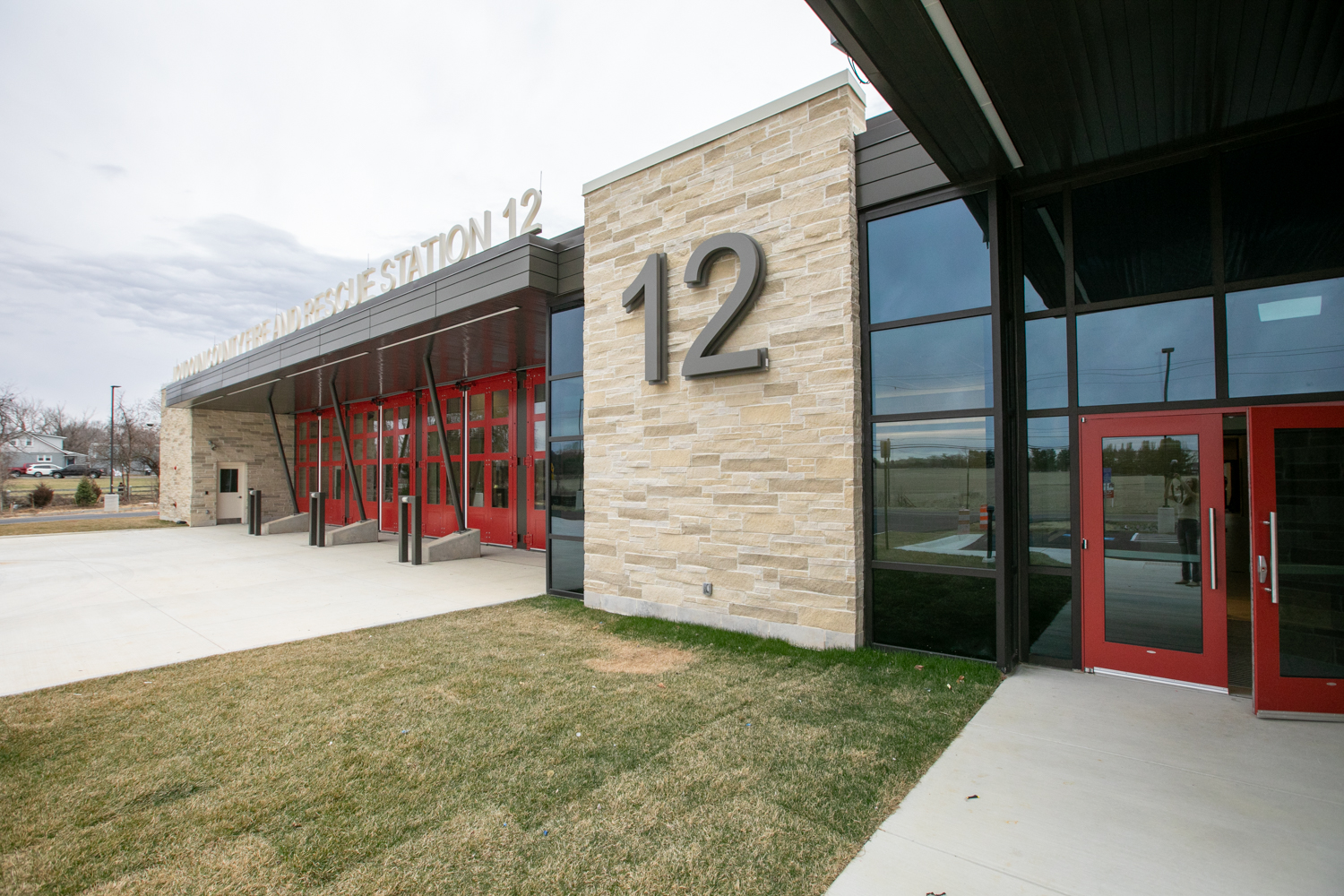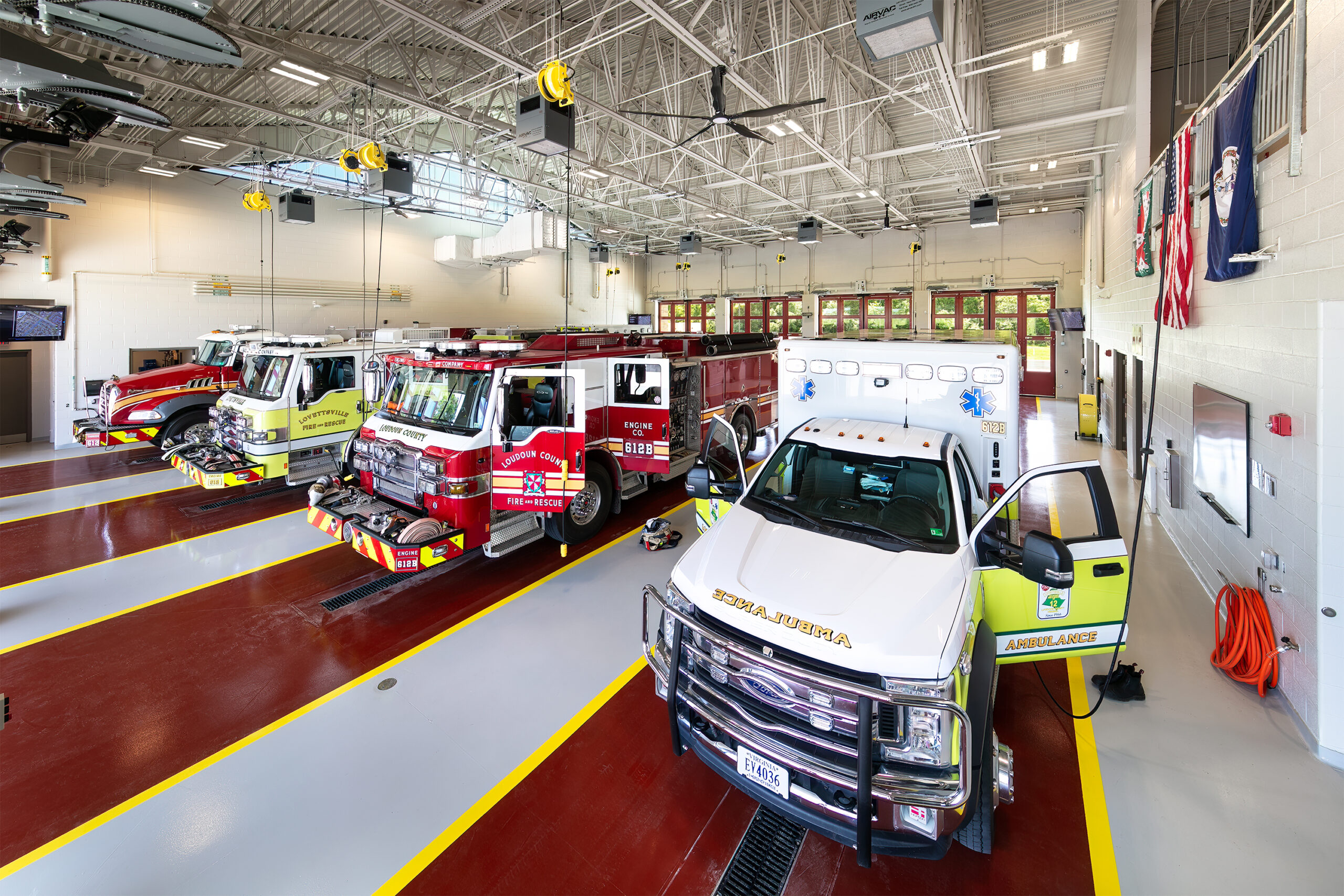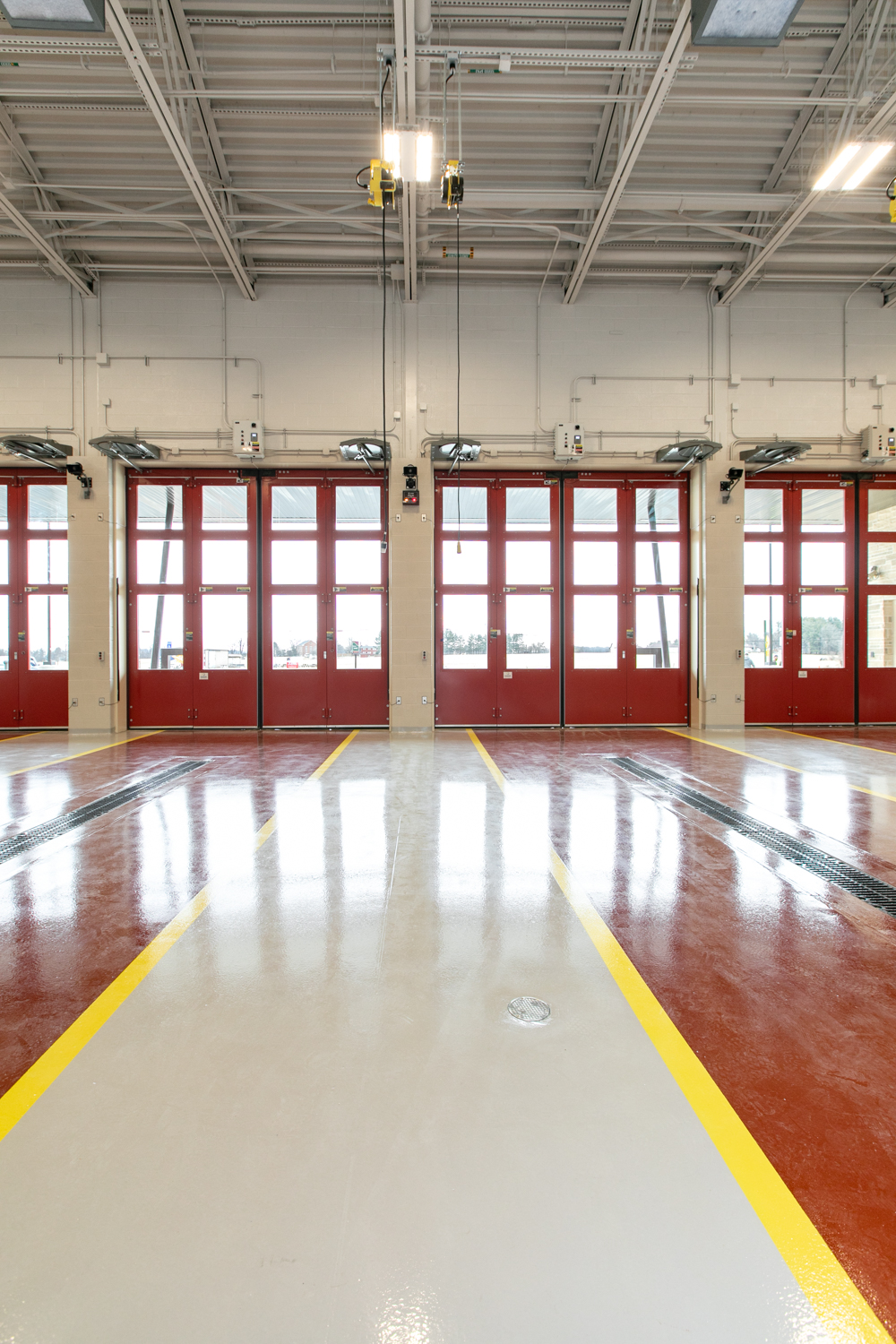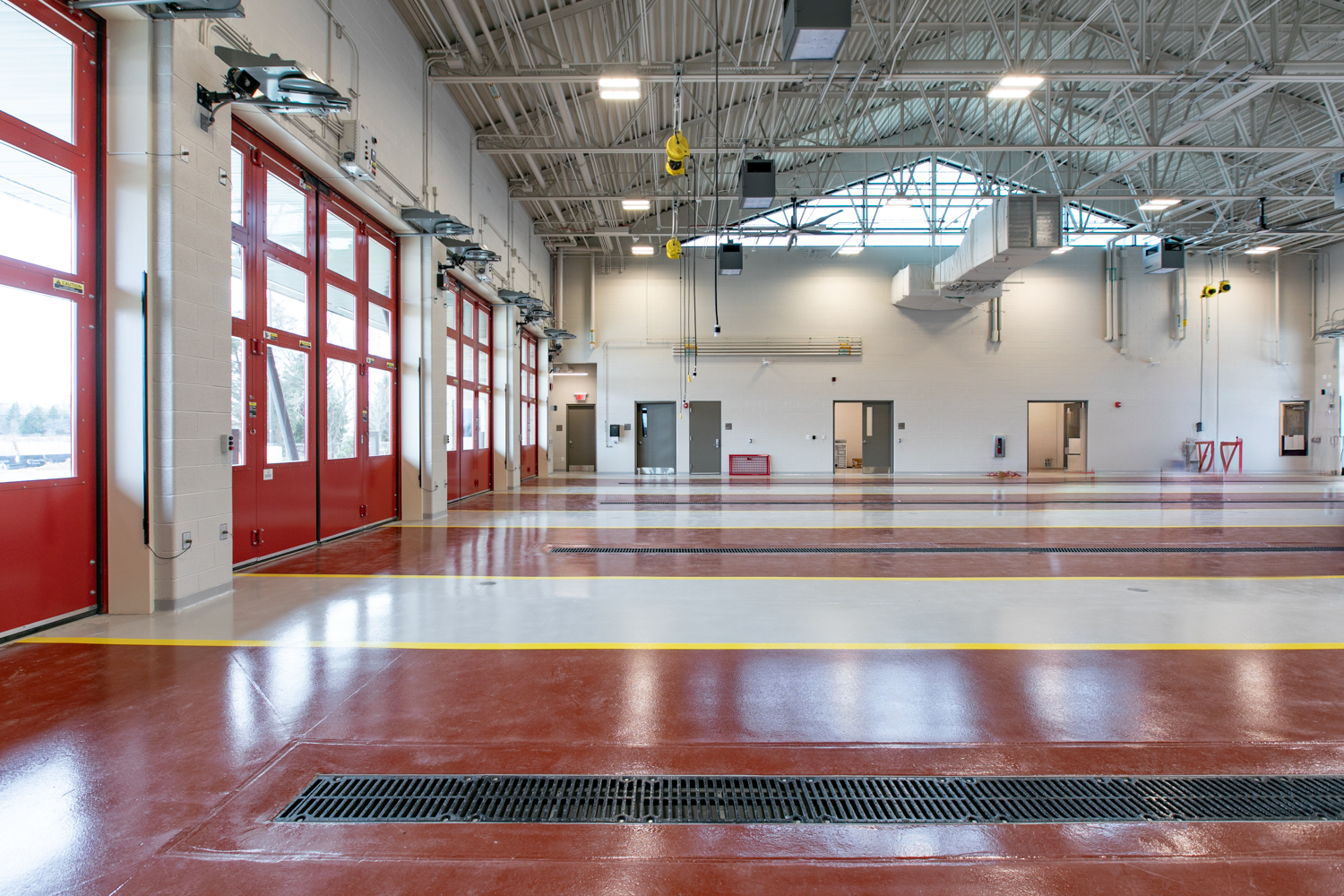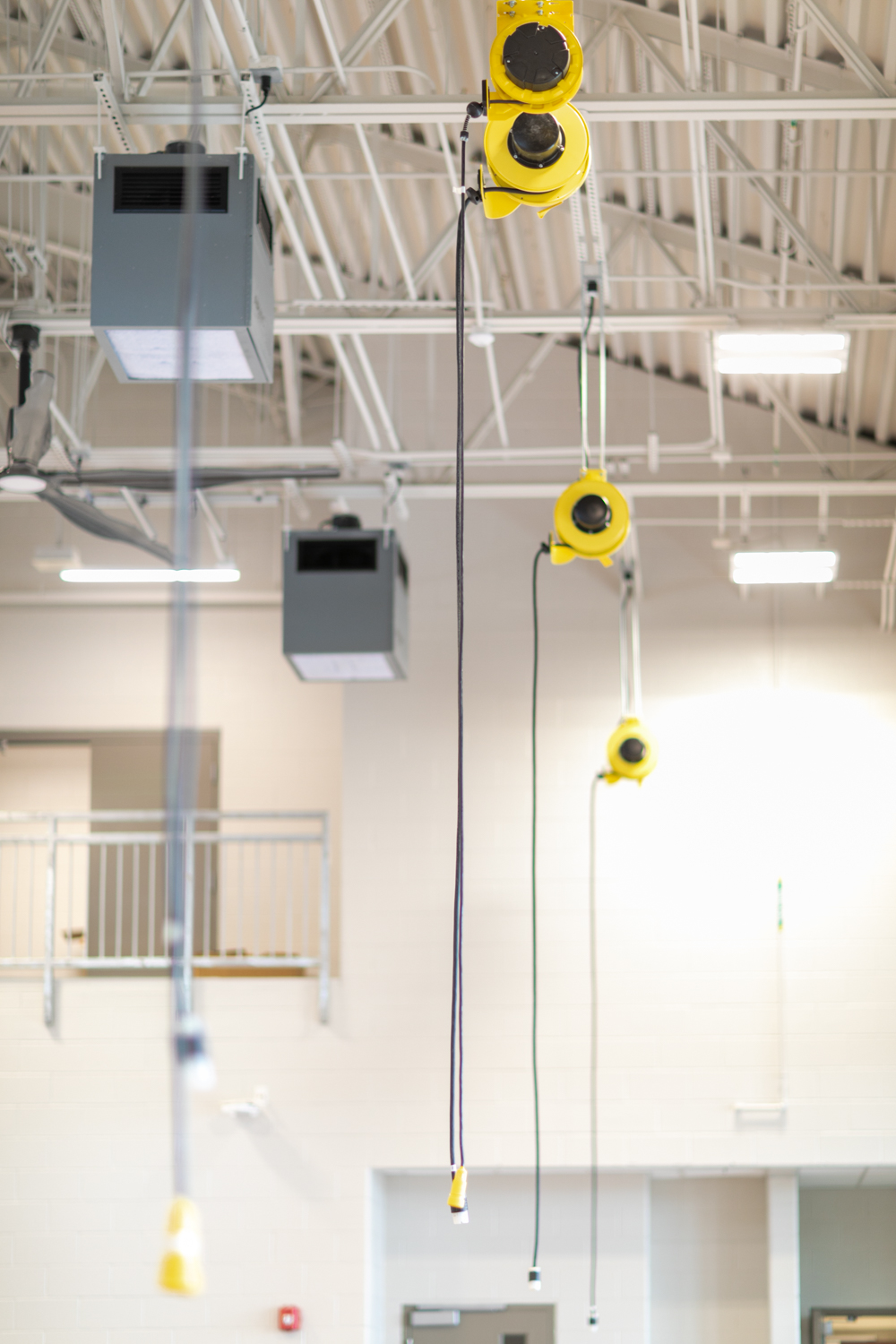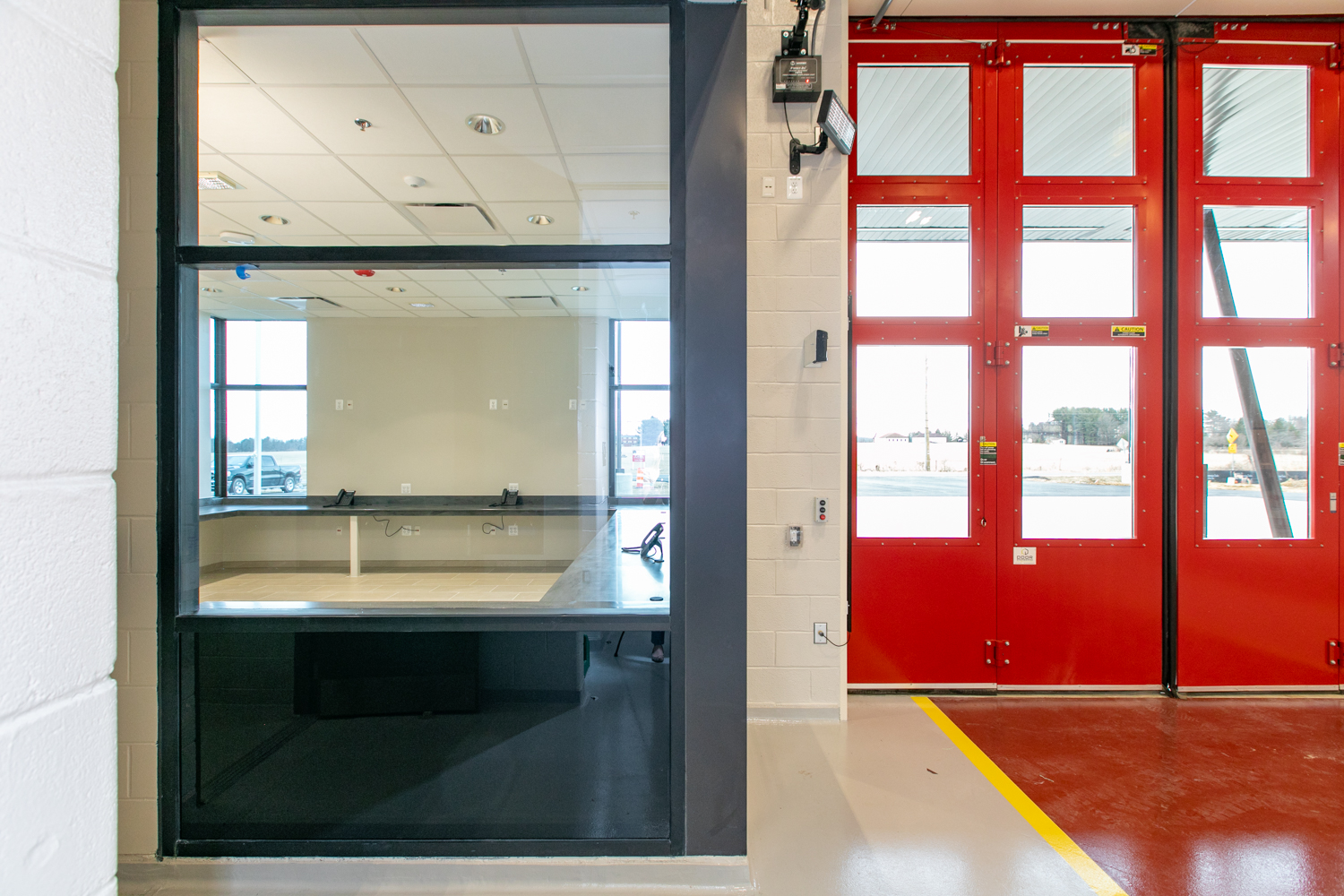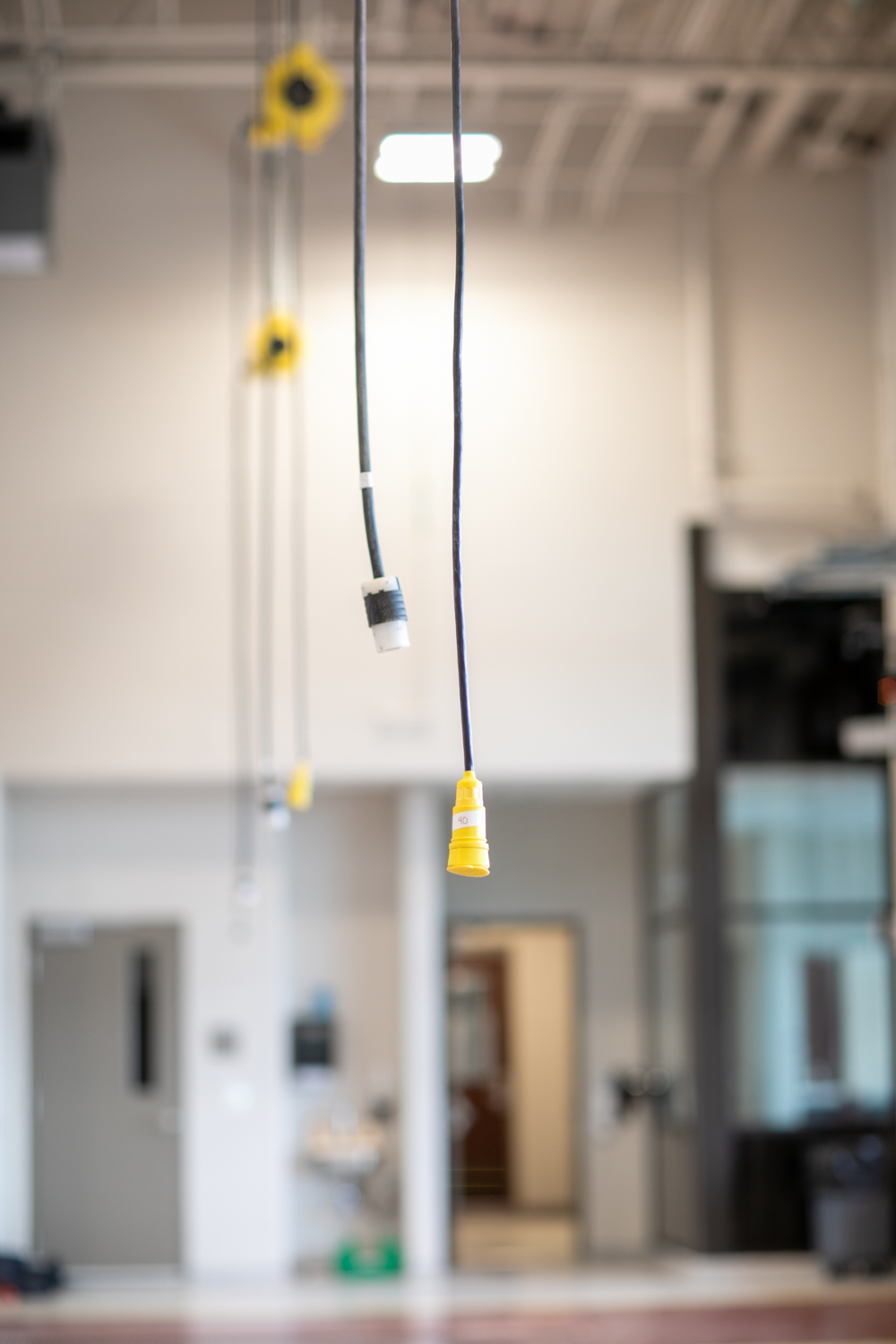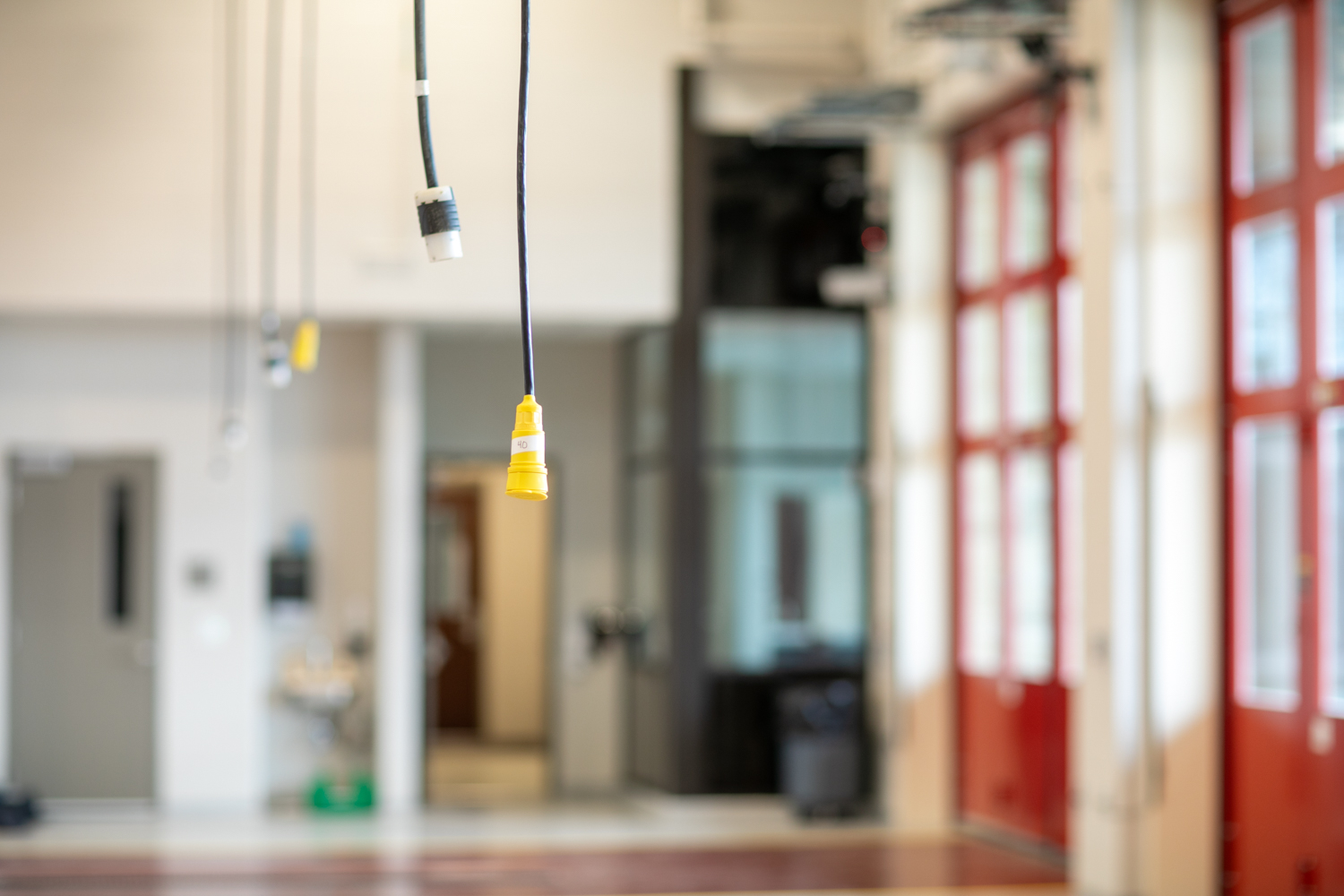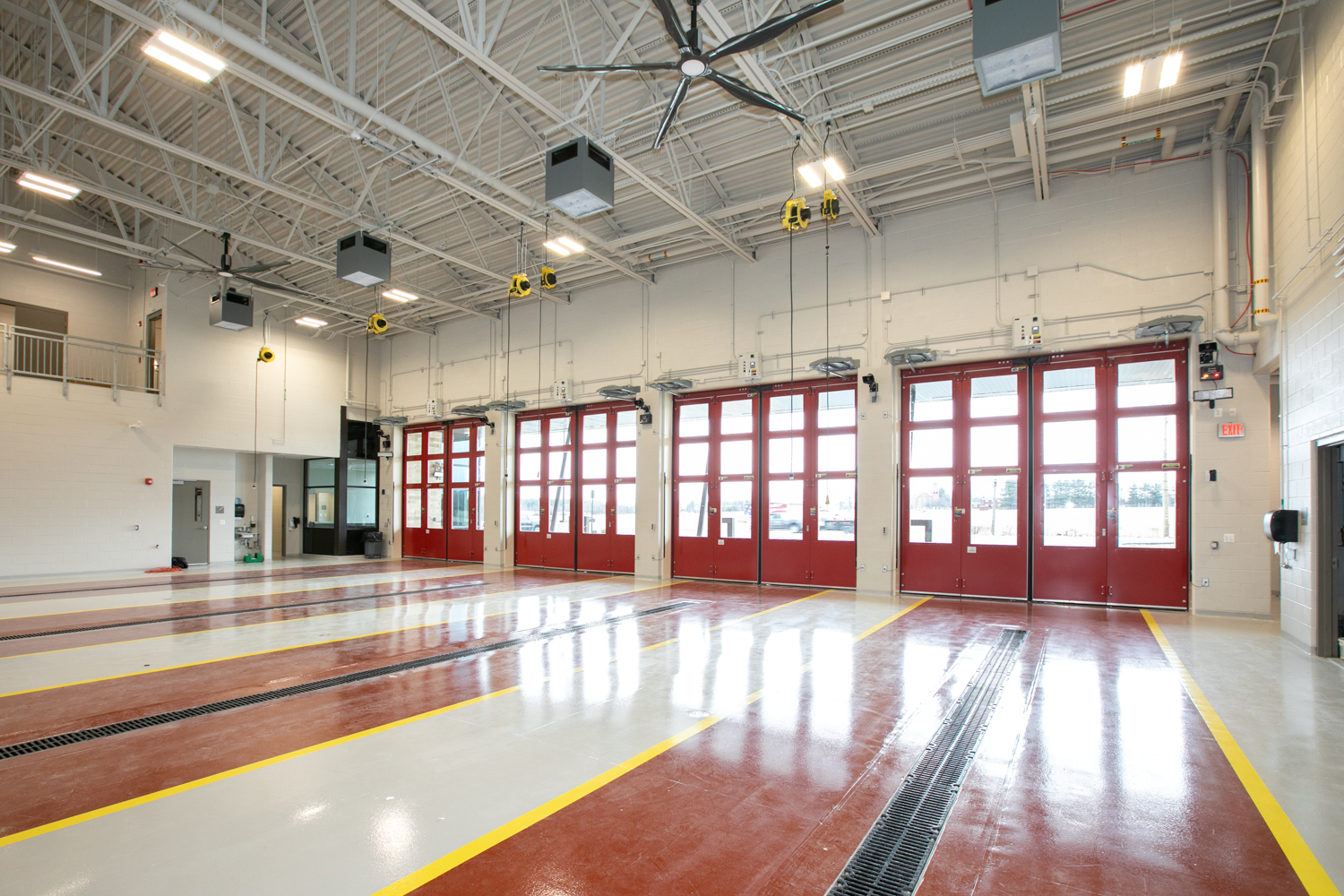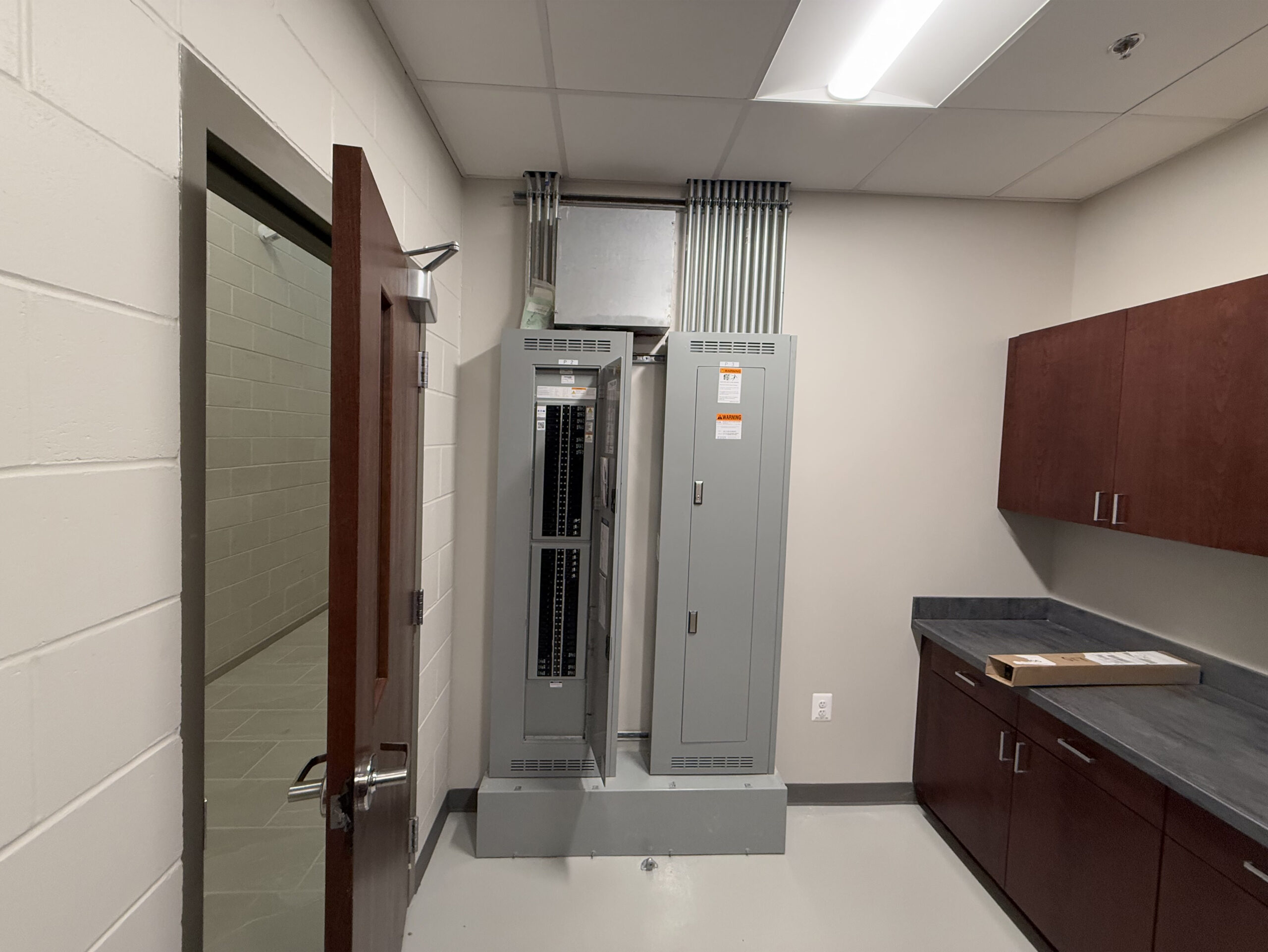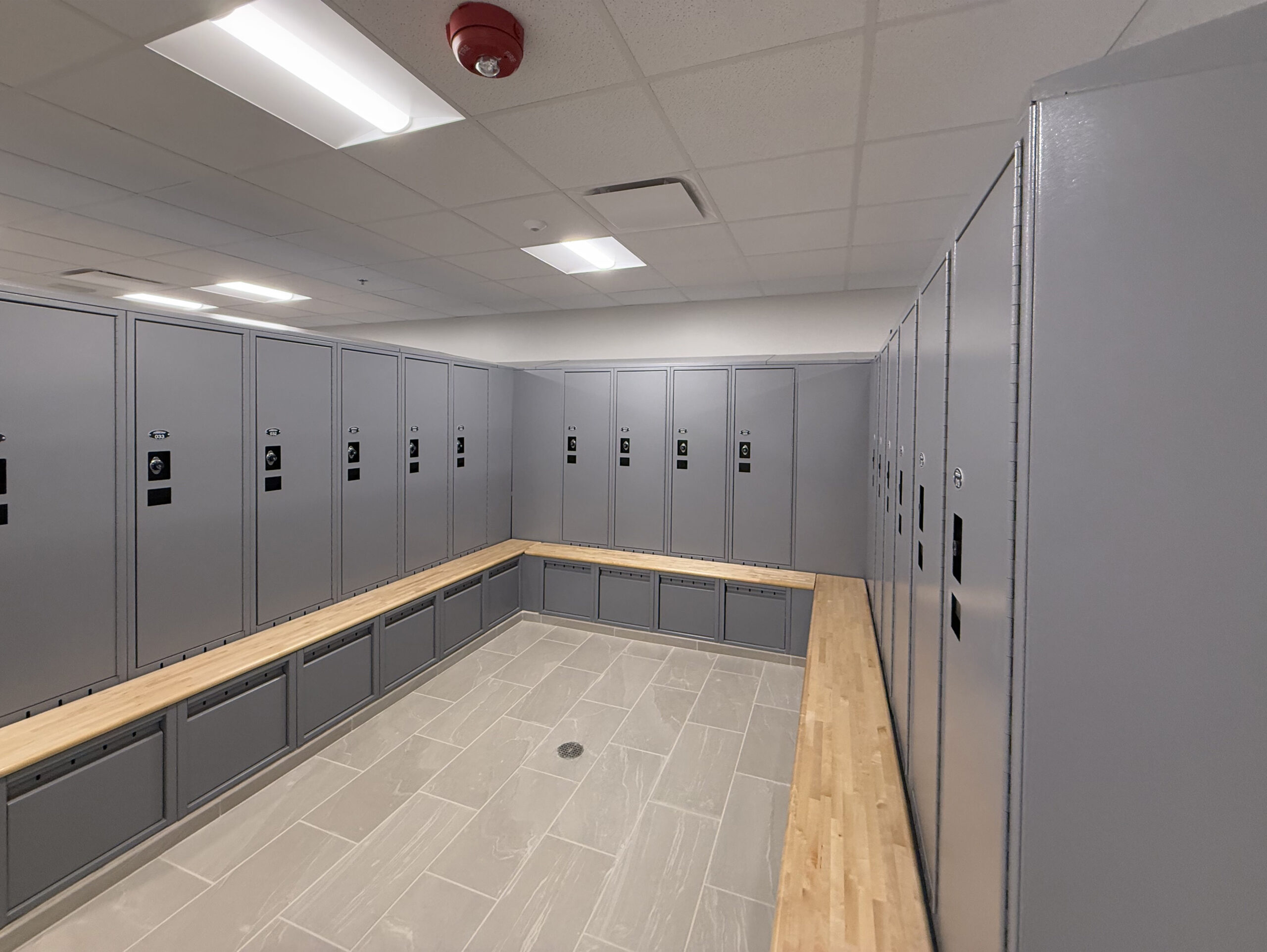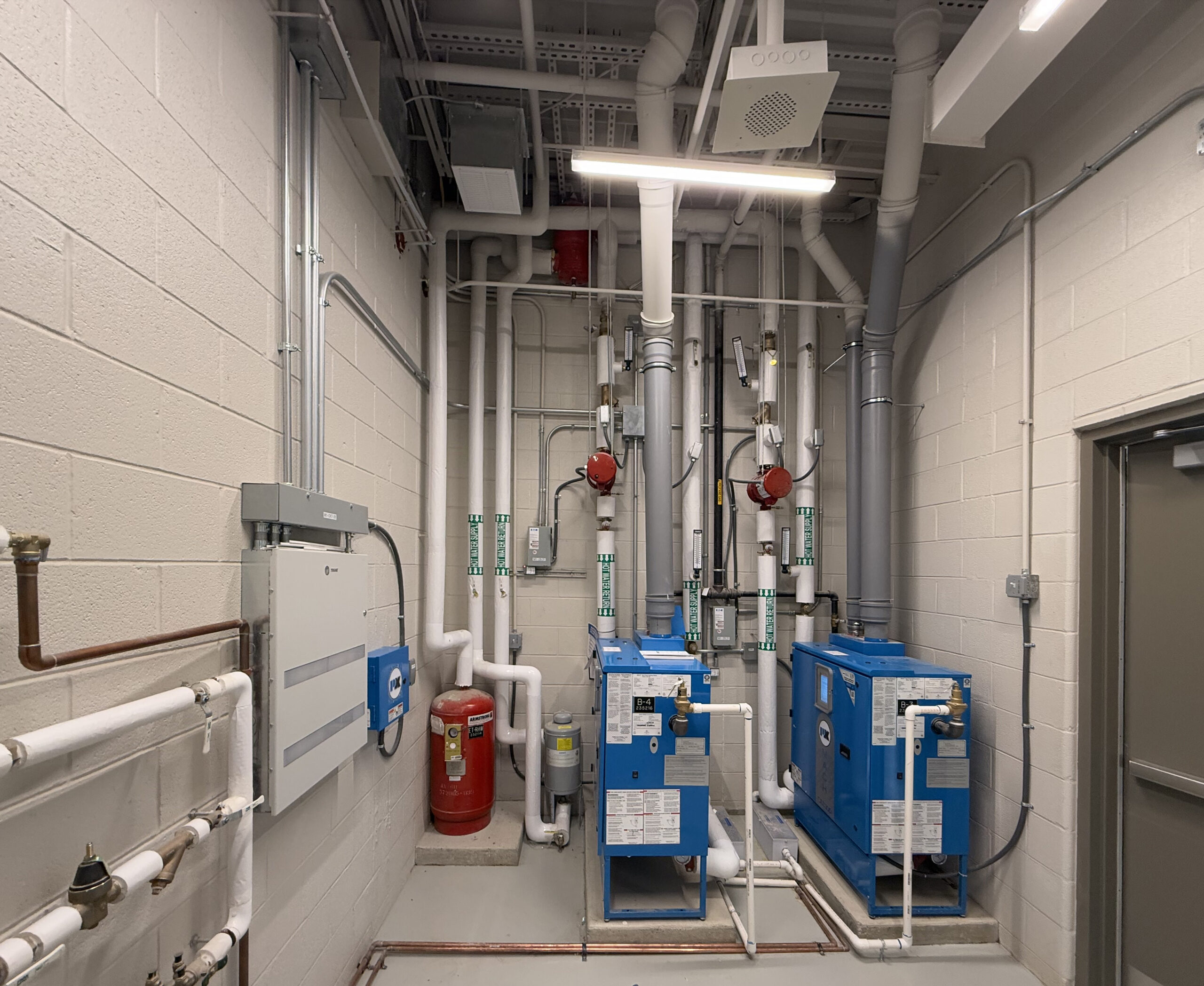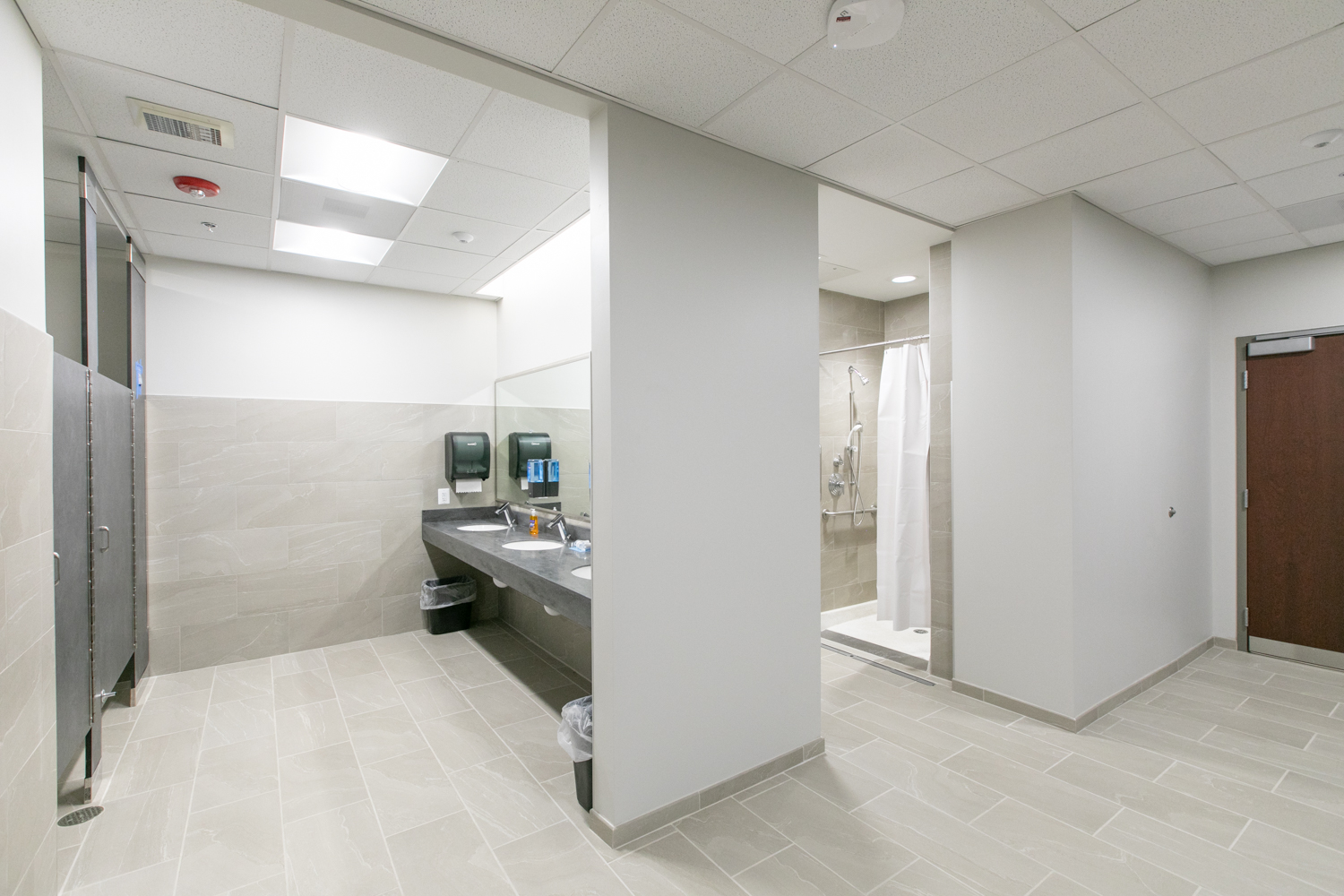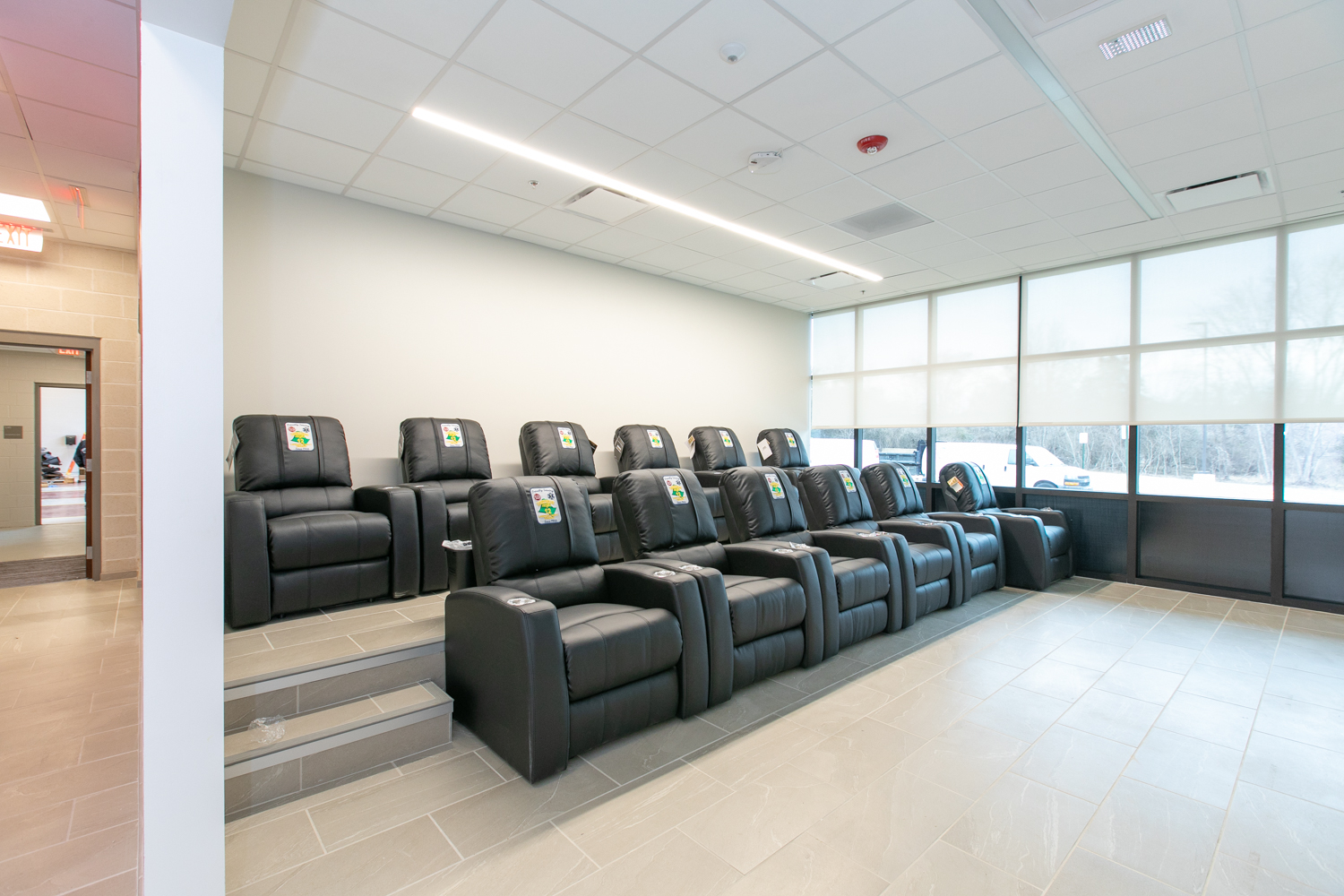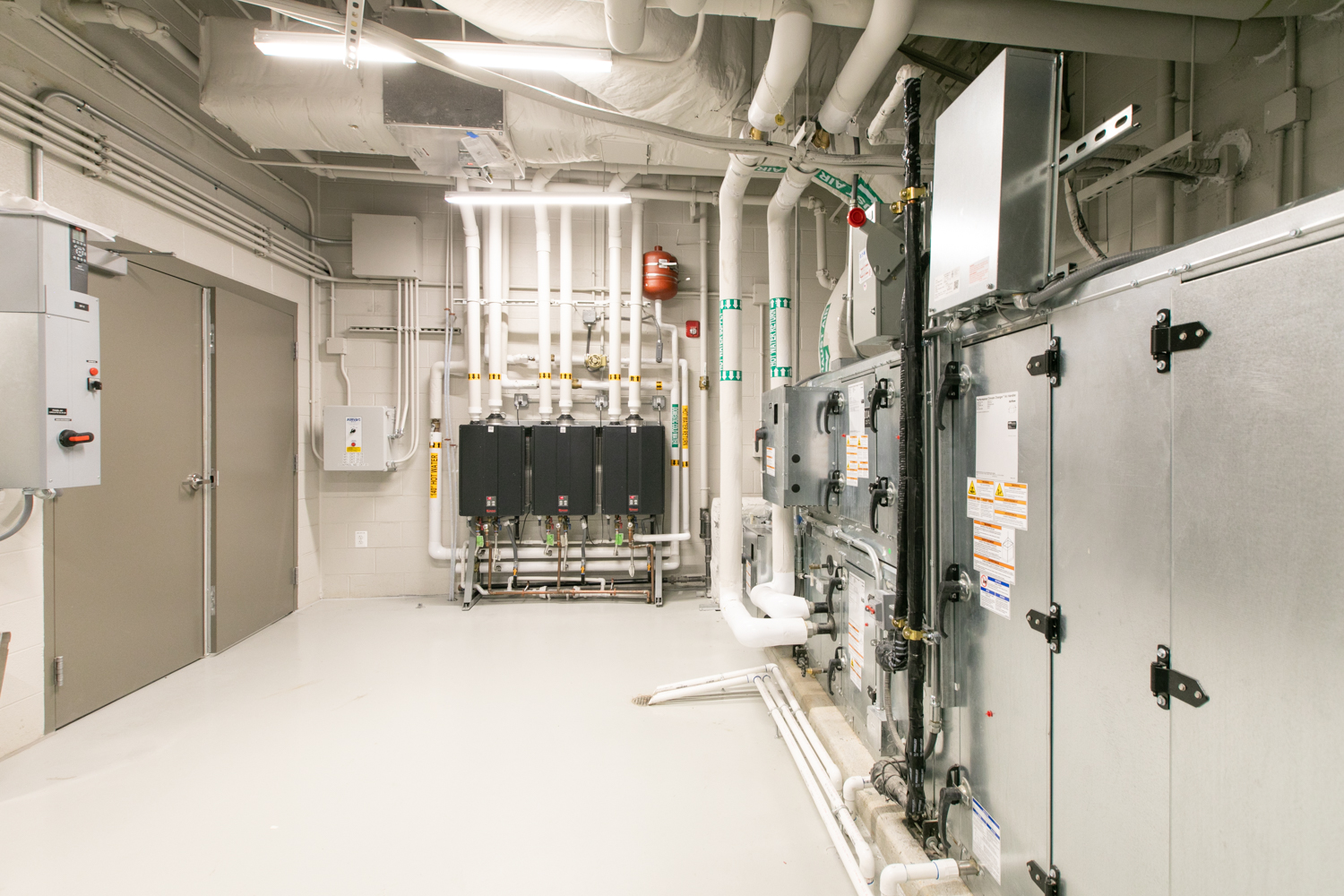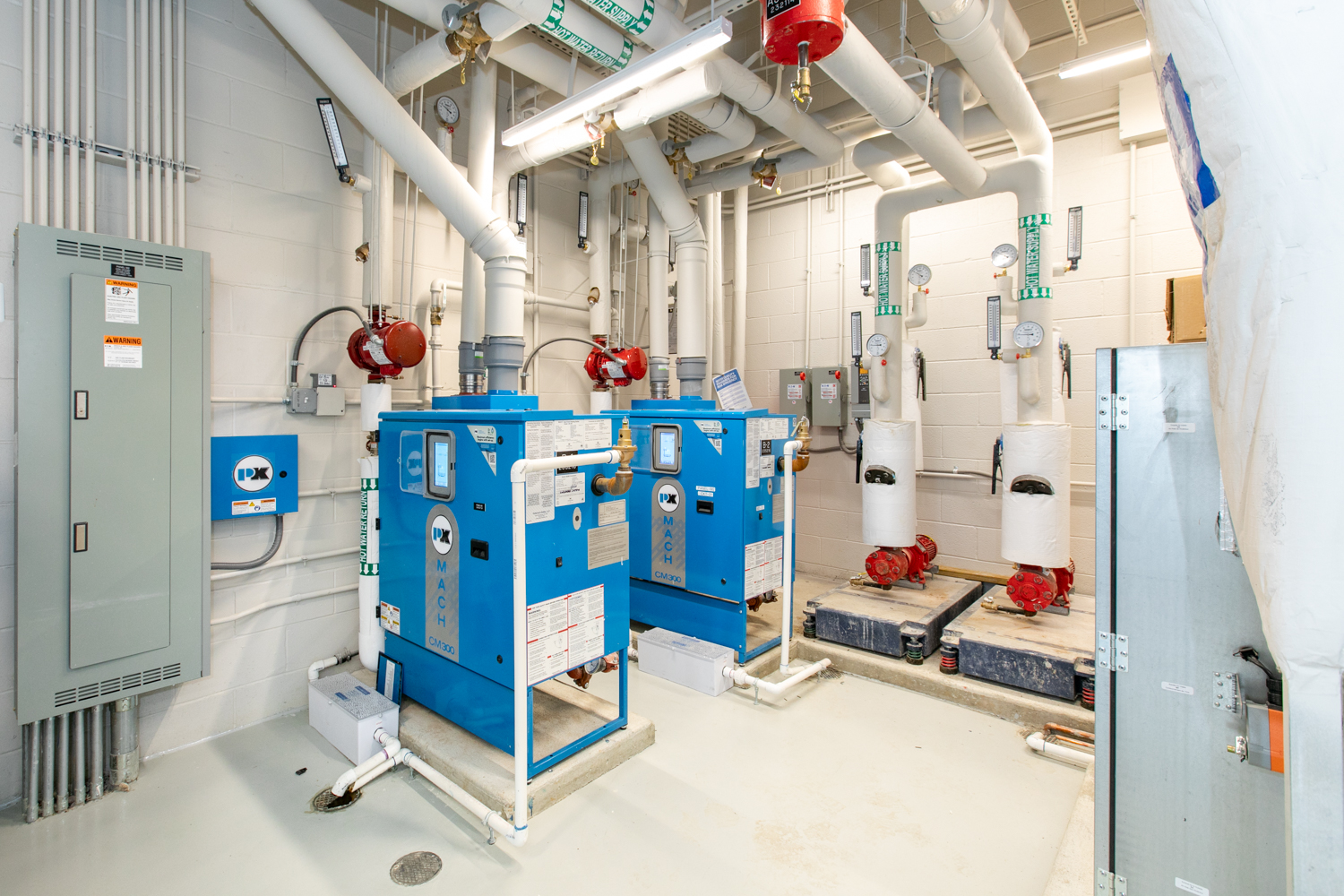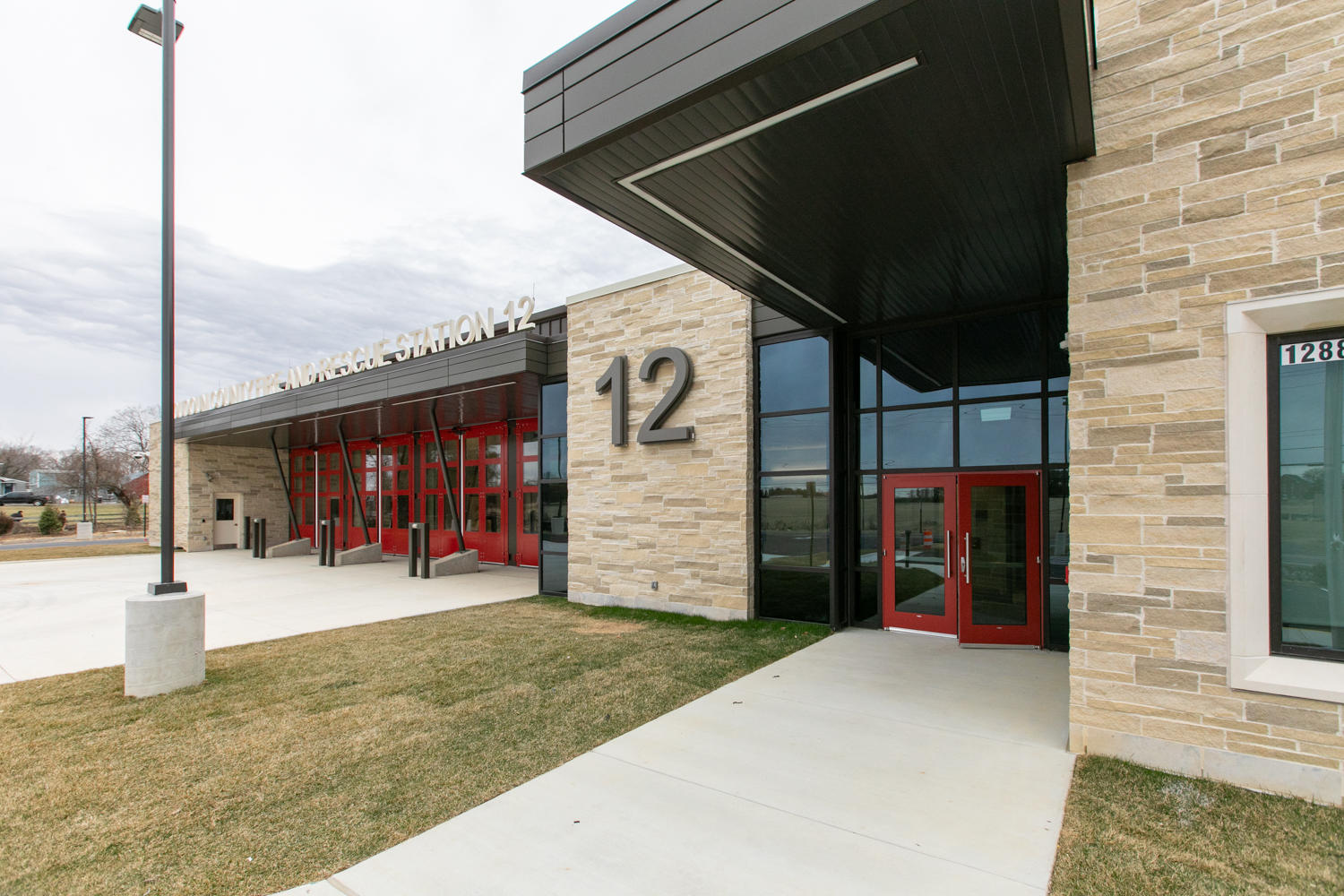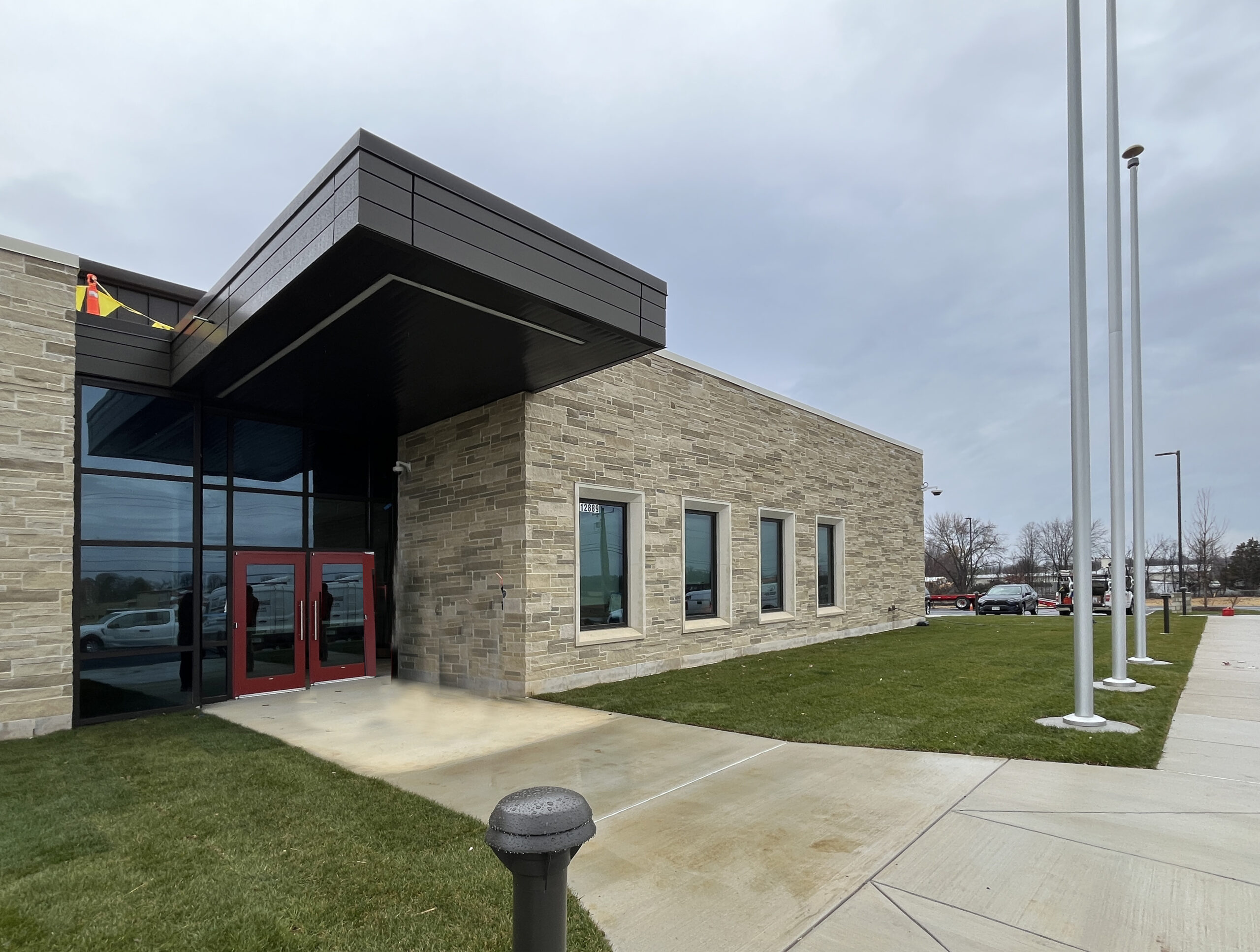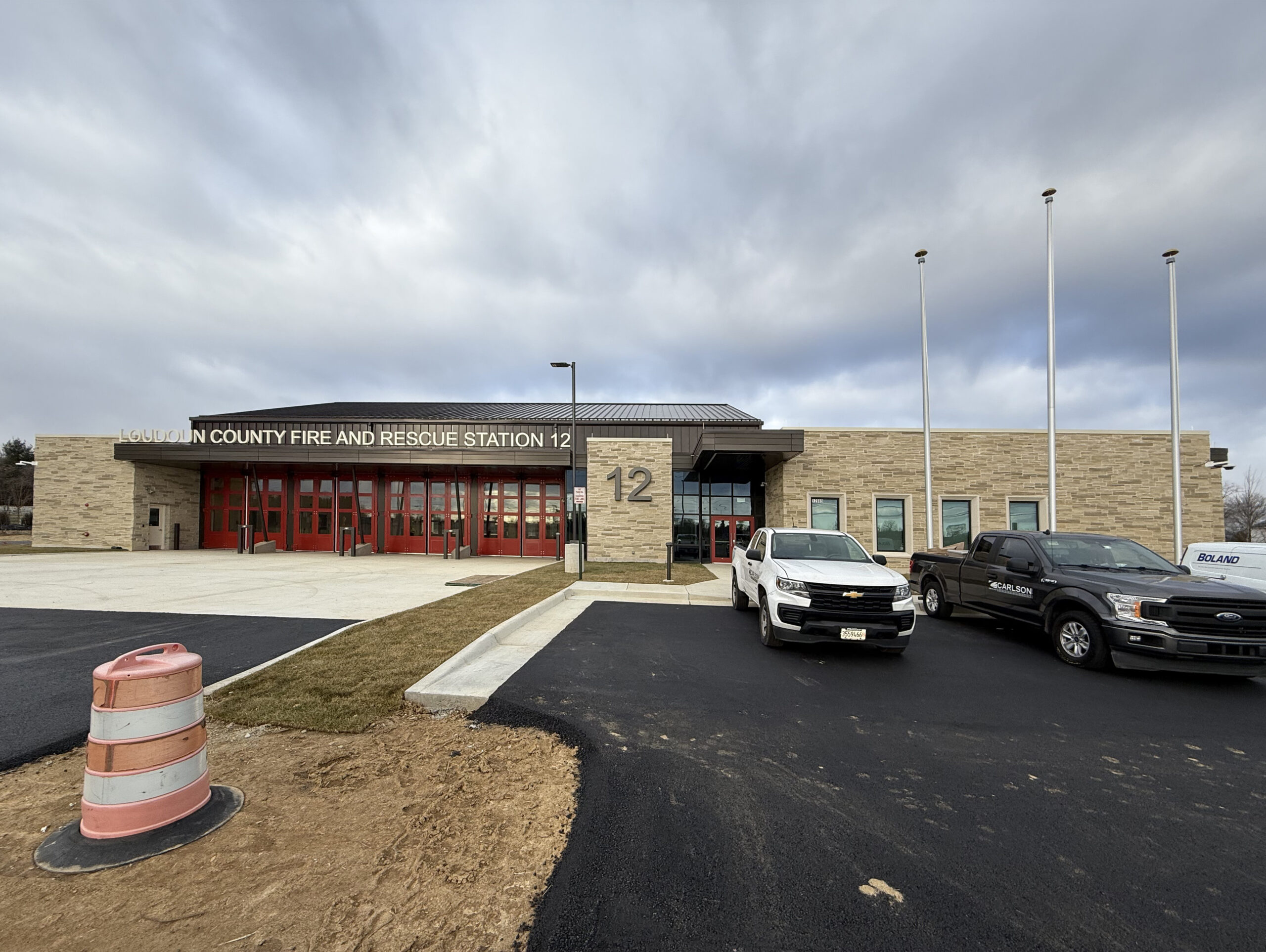

MEP/FP engineering for this fire and rescue station supports a dual-occupancy facility with apparatus bays, living quarters, and administrative spaces, designed to meet operational demands and occupant health requirements. The design incorporates hot zone separation, zoned HVAC systems, decoupled ventilation for pressurization control, radiant heating, and high-efficiency lighting and controls. Additional features include low-flow plumbing fixtures, natural ventilation strategies, and a photovoltaic array, aligning system performance with sustainability and resiliency goals.
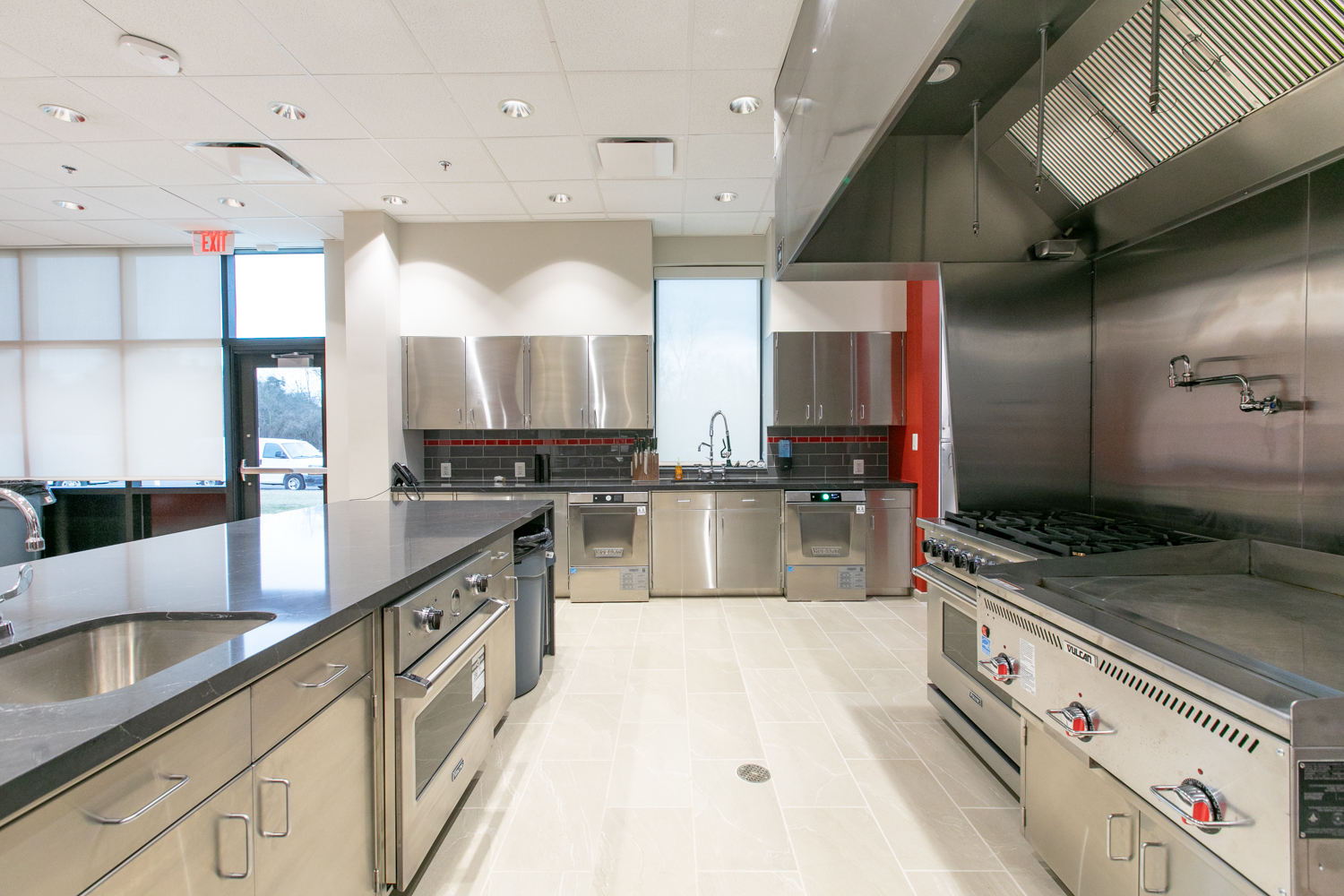
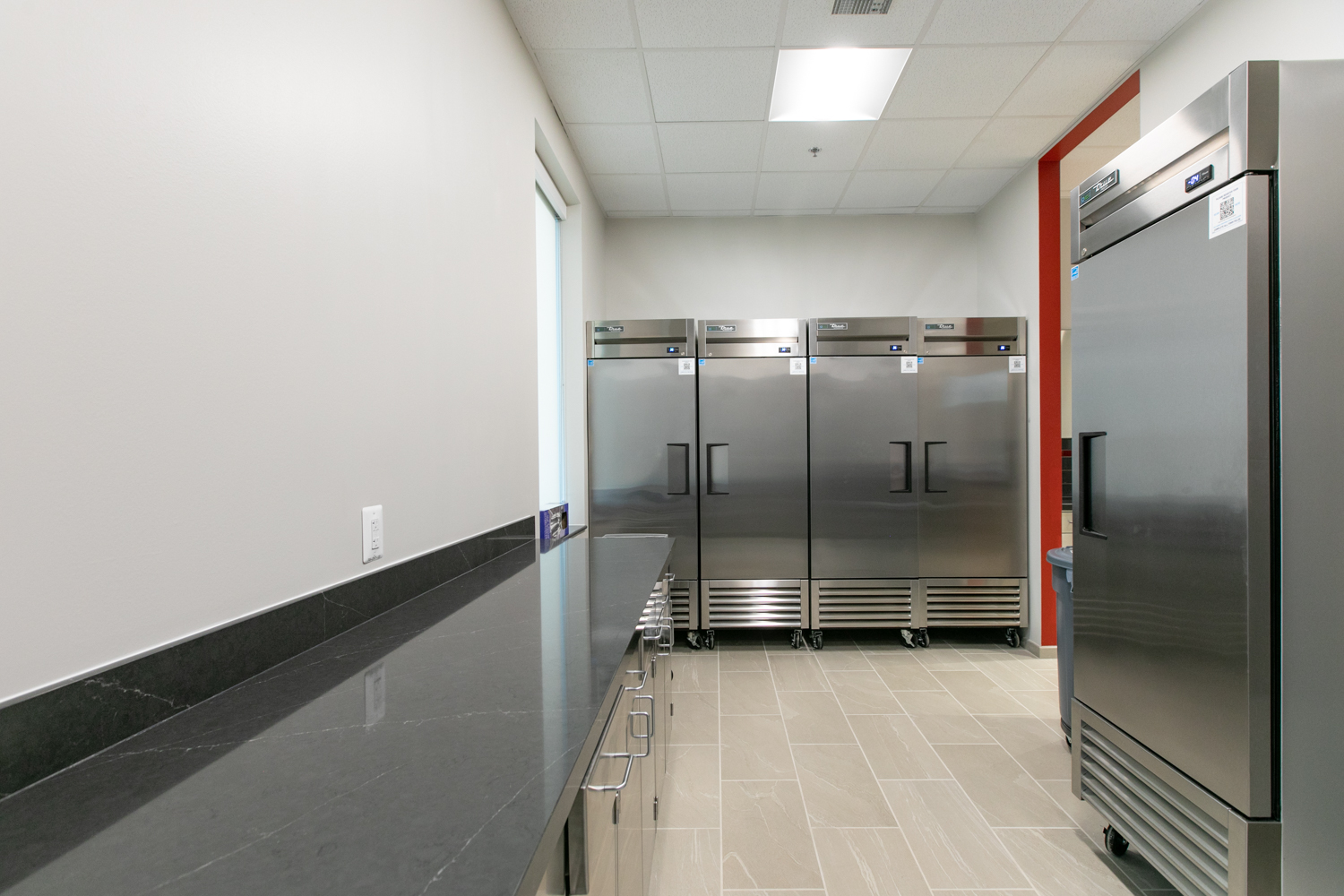
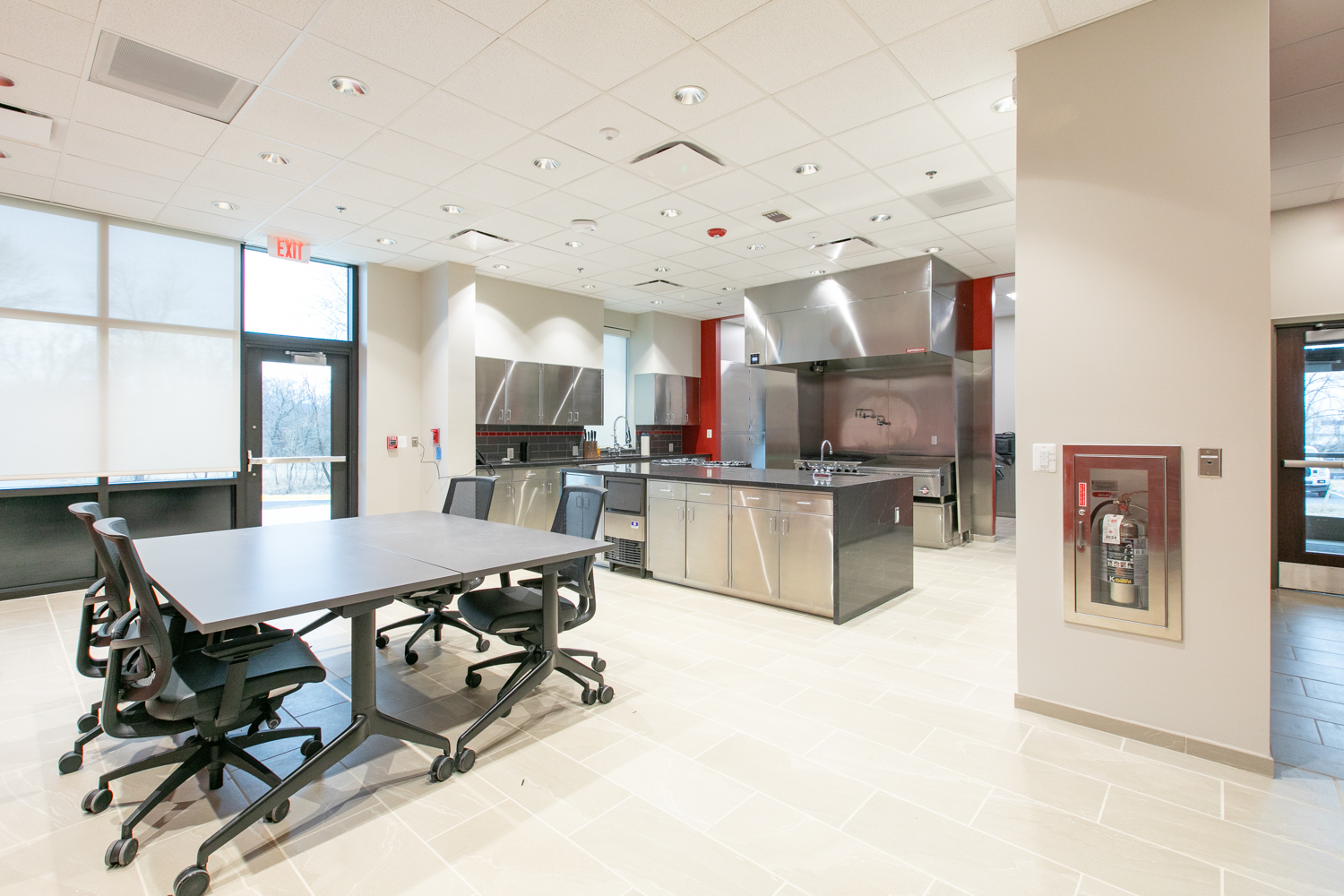
2RW provided MEP/FP engineering for the new station, which features four high-volume apparatus bays, a mezzanine, living quarters, kitchen, dining and dayroom facilities, exercise rooms, administrative spaces, and equipment maintenance areas. The systems design supports the operational demands of a dual-occupancy rescue facility while advancing Loudoun County’s sustainability and resiliency goals.
The design incorporates hot zone strategies to safeguard occupant health by isolating apparatus bays and decontamination areas from living quarters and strategically grouping administrative and gathering spaces. Zoned HVAC systems condition unoccupied areas on an as-needed basis to optimize energy use, while a decoupled ventilation approach maintains proper pressurization between high-occupancy and equipment-intensive spaces. High-efficiency HVAC and radiant heating systems, LED lighting with advanced controls, and daylight-responsive design maximize comfort and reduce energy consumption. Operable windows and exhaust strategies in transitional areas support natural ventilation during mild weather, improving indoor air quality and reducing mechanical loads.
Sustainable design measures include low-flow plumbing fixtures, ENERGY STAR–rated equipment, and a photovoltaic (PV) array that offsets building energy use. The MEP systems align with WELL Building principles and support the County’s LEED v4 Silver performance goals, achieving an effective balance of energy efficiency, user comfort, and maintainability.
Energy modeling at the design phase projected an energy use intensity (EUI) of 65.6 kBtu/ft², representing a 25% reduction in energy use and cost compared to baseline systems. Notable savings, particularly in space heating, were achieved through heat recovery ventilation, an enhanced building envelope, and high-performance mechanical and electrical systems. The completed facility prioritizes first responder health and safety while delivering measurable improvements in energy performance, operational efficiency, and sustainability—reflecting Loudoun County’s vision for resilient, high-performing public safety infrastructure.
FGMA
Urban LTD
Ehlert Bryan
Axias
Sustainable Building Partners