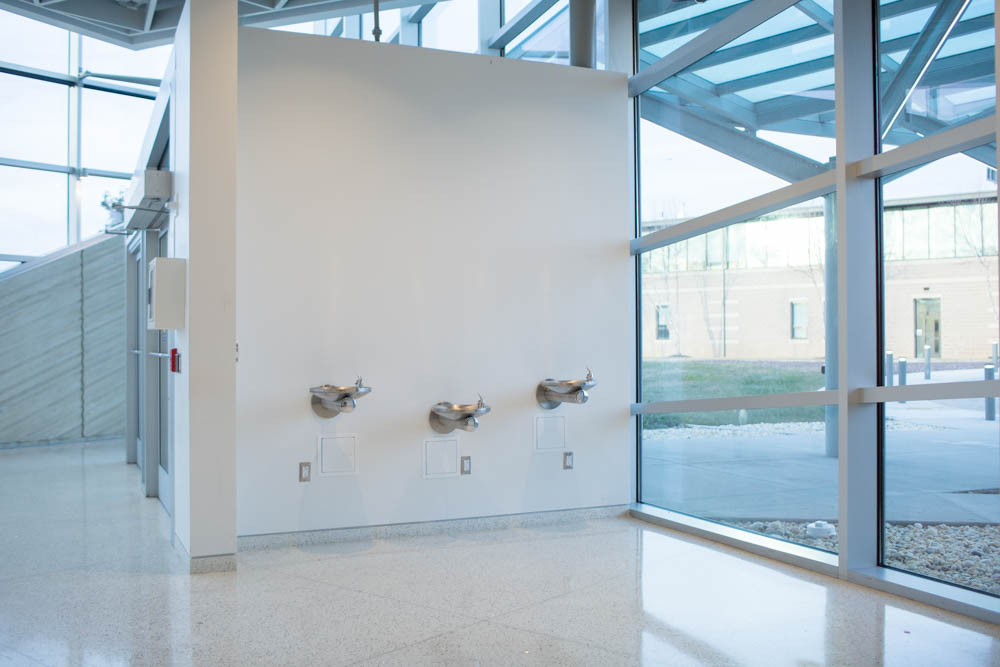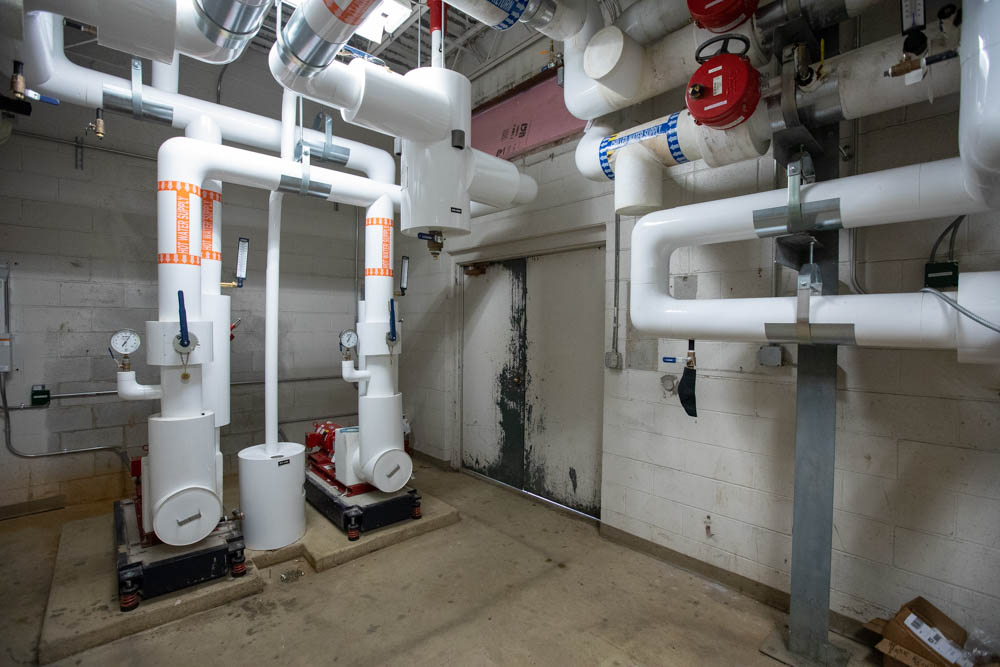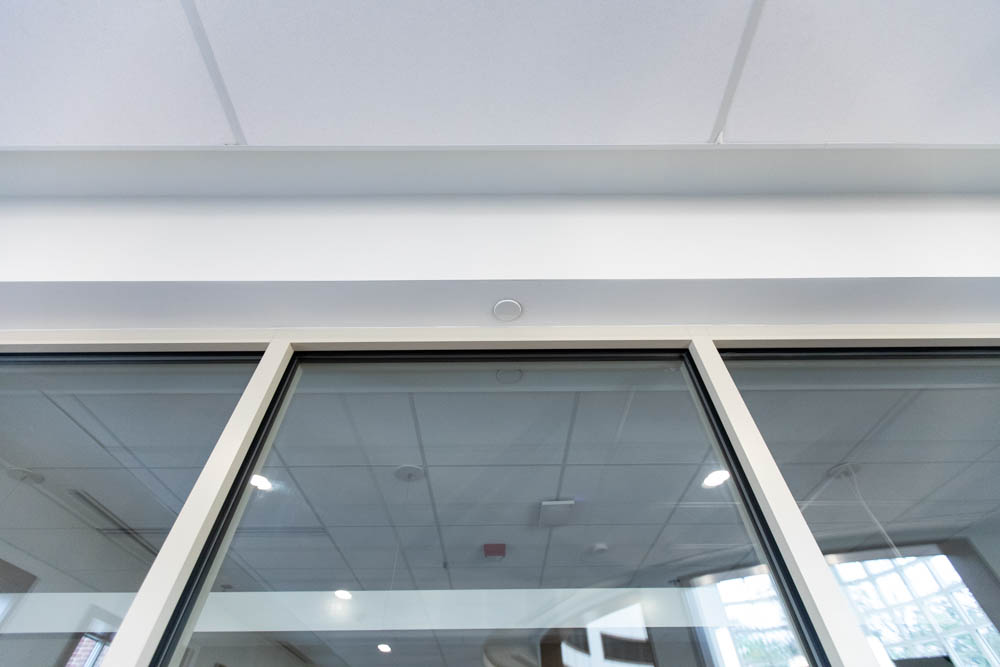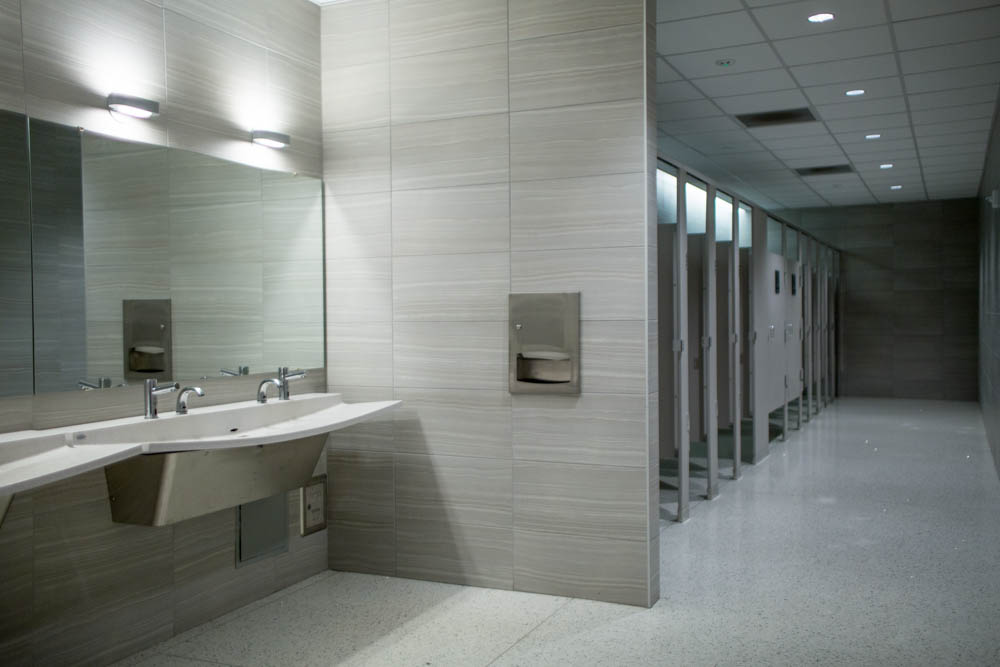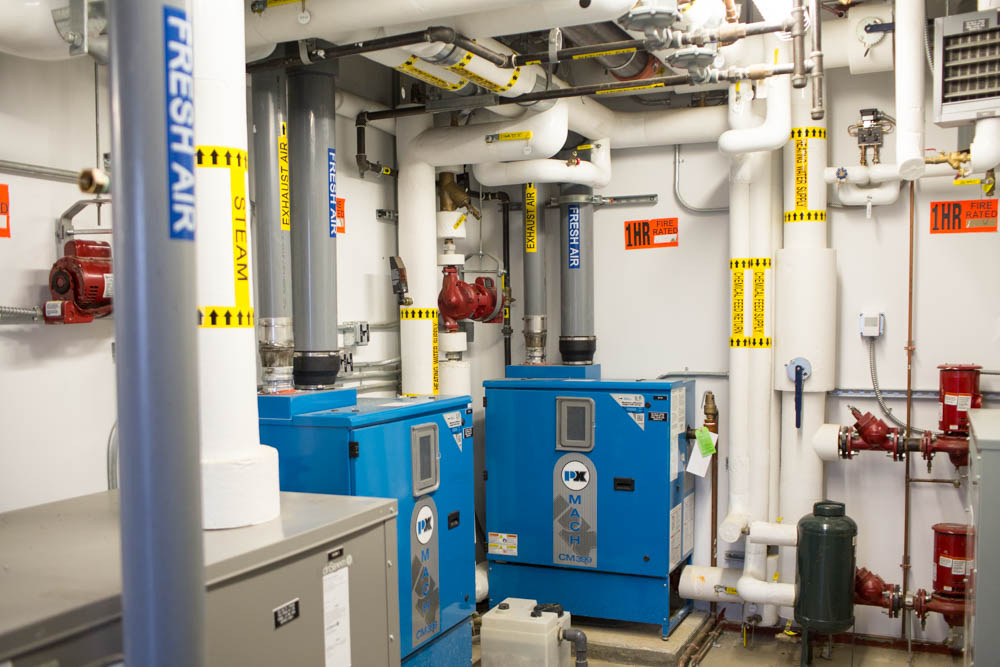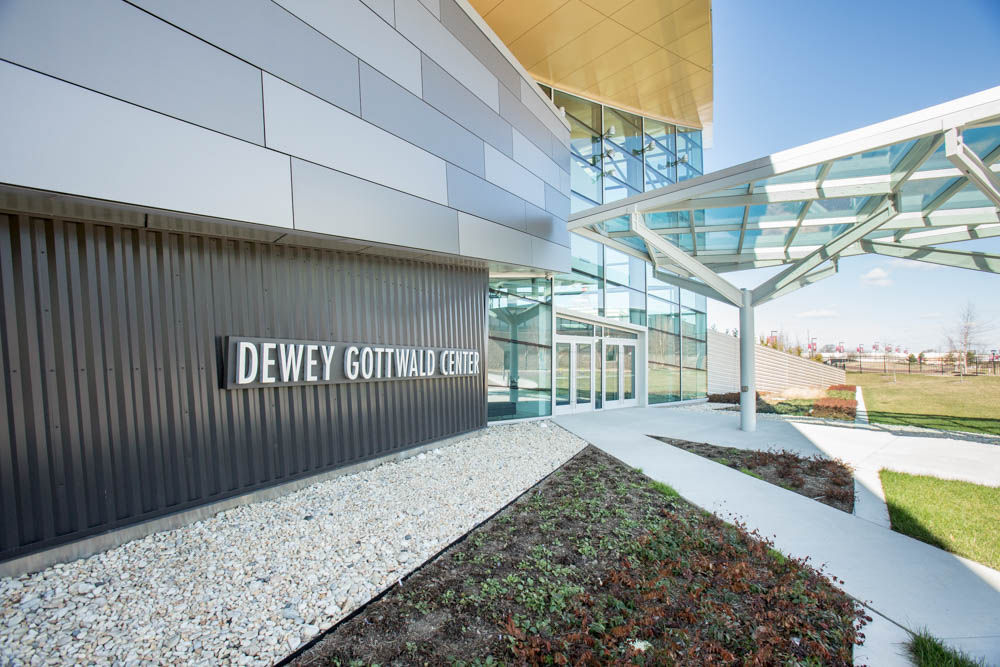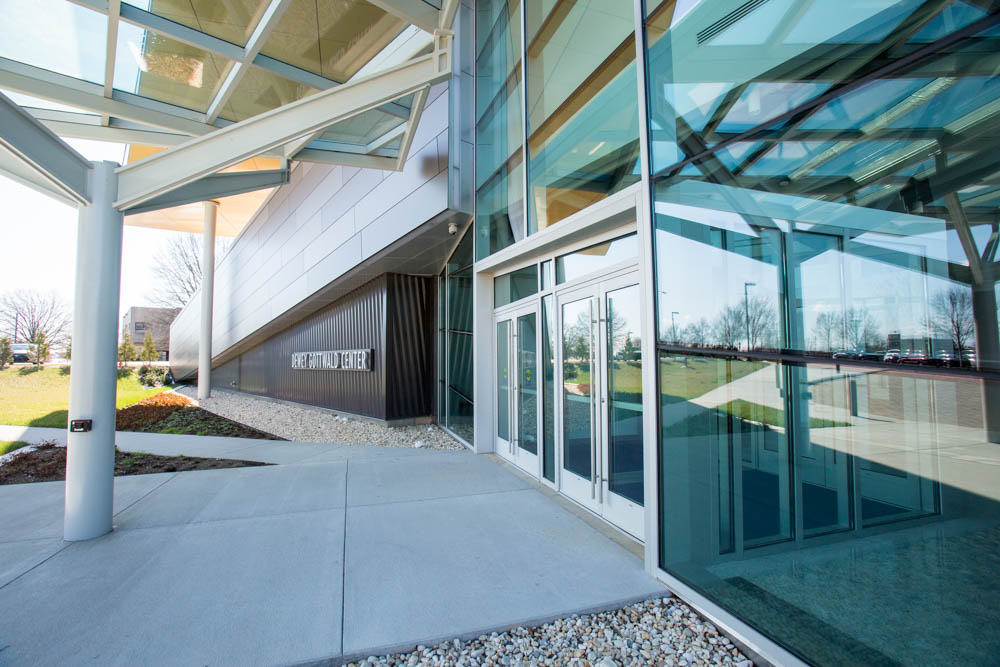

MEP/FP engineering for this exhibit facility supports flexible gallery spaces designed to accommodate a wide range of exhibits with varying environmental, lighting, and power needs. The design includes zoned HVAC systems for moveable partitions, demand-controlled ventilation, and flexible power and data distribution to support changing A/V configurations. High-performance materials and energy modeling were used to evaluate system and envelope strategies while supporting LEED planning and documentation.
The MEP/FP design accommodates the sensitive environmental conditions (temperature, humidity, and ventilation) and varied lighting and power requirements needed to support a broad range of exhibits—all while meeting the energy performance target of a 14% reduction over baseline. State-of-the-art media, audio, and lighting systems support a wide variety of museum exhibitors and event center users, while carefully controlled humidity, temperature, and lighting levels accommodate national-caliber traveling exhibits. The uniquely curved roof and fixed track partitioning system required intensive coordination of all above-ceiling systems and building elements.
The design includes zoned HVAC systems to accommodate moveable partitions, demand-controlled ventilation to reduce energy use during periods of low occupancy, and power and data outlets arranged at floor level and above the ceiling to provide flexibility for a variety of A/V systems and configurations. 2RW worked closely with the architects to identify high-performance building materials to promote sustainability goals, including special glazing for large windows to minimize energy consumption.
2RW also supported the LEED process with planning, energy modeling, and documentation development services. This included modeling a variety of HVAC system types, interior and exterior shading options, and glazing strategies, including electrochromic glass, to identify the most efficient and cost-effective systems and materials.
The final building design achieved 28% energy reduction over baseline, well above the initial target of 14%.
Quinn Evans Architects
Perkins Eastman | pfeiffer
TRC Companies
Dunbar Structural
W.M. Jordan Company
Sustainable Design Consulting