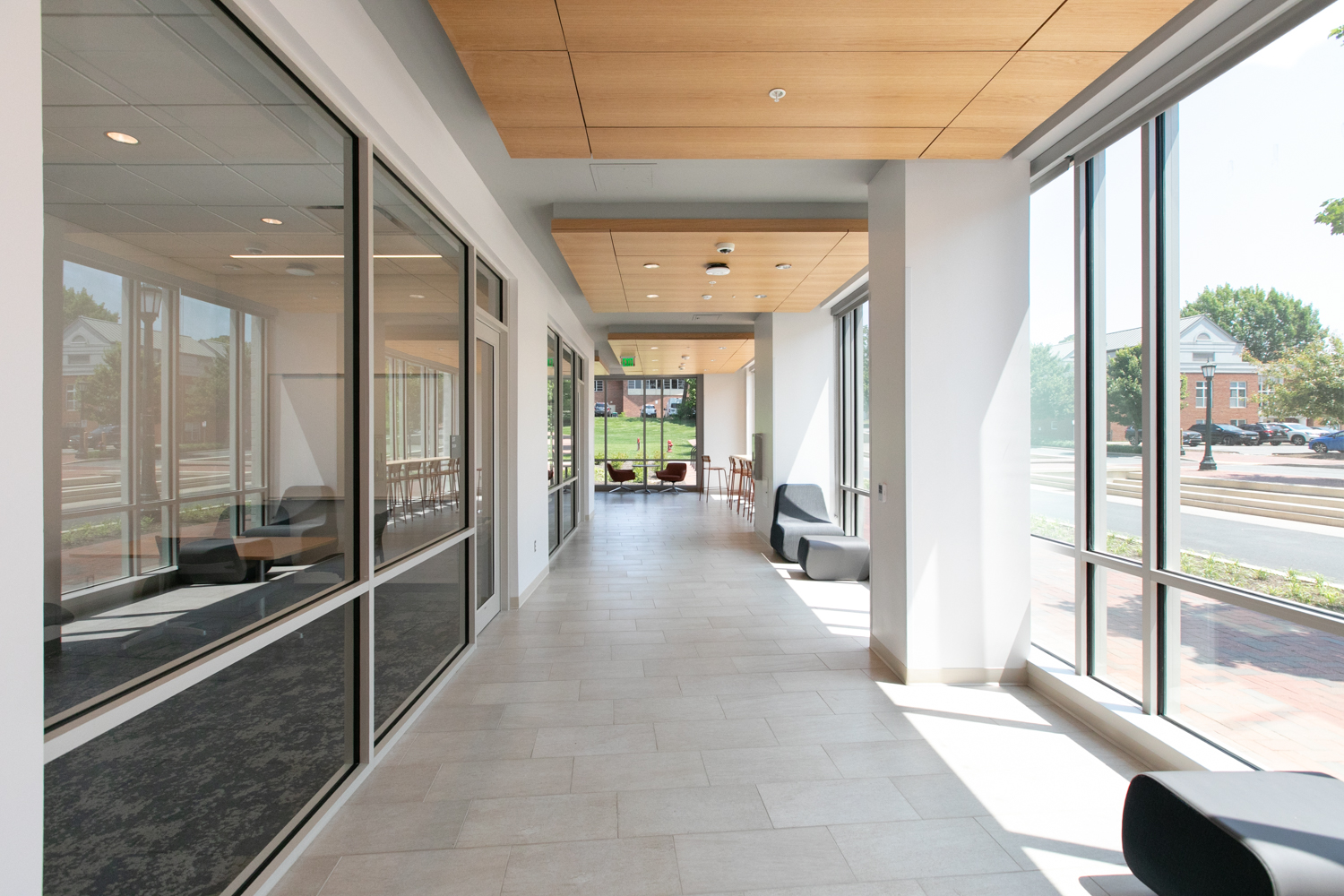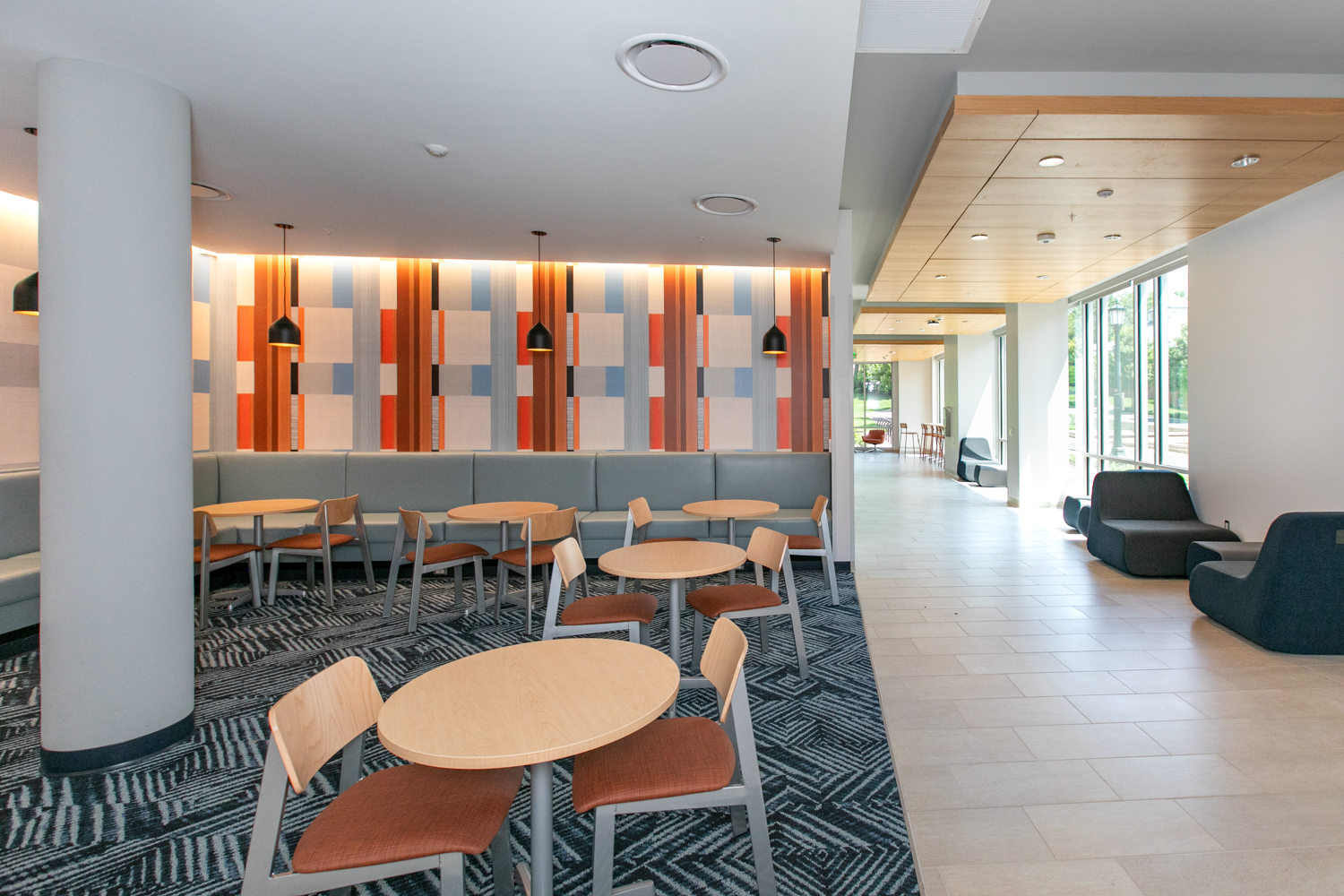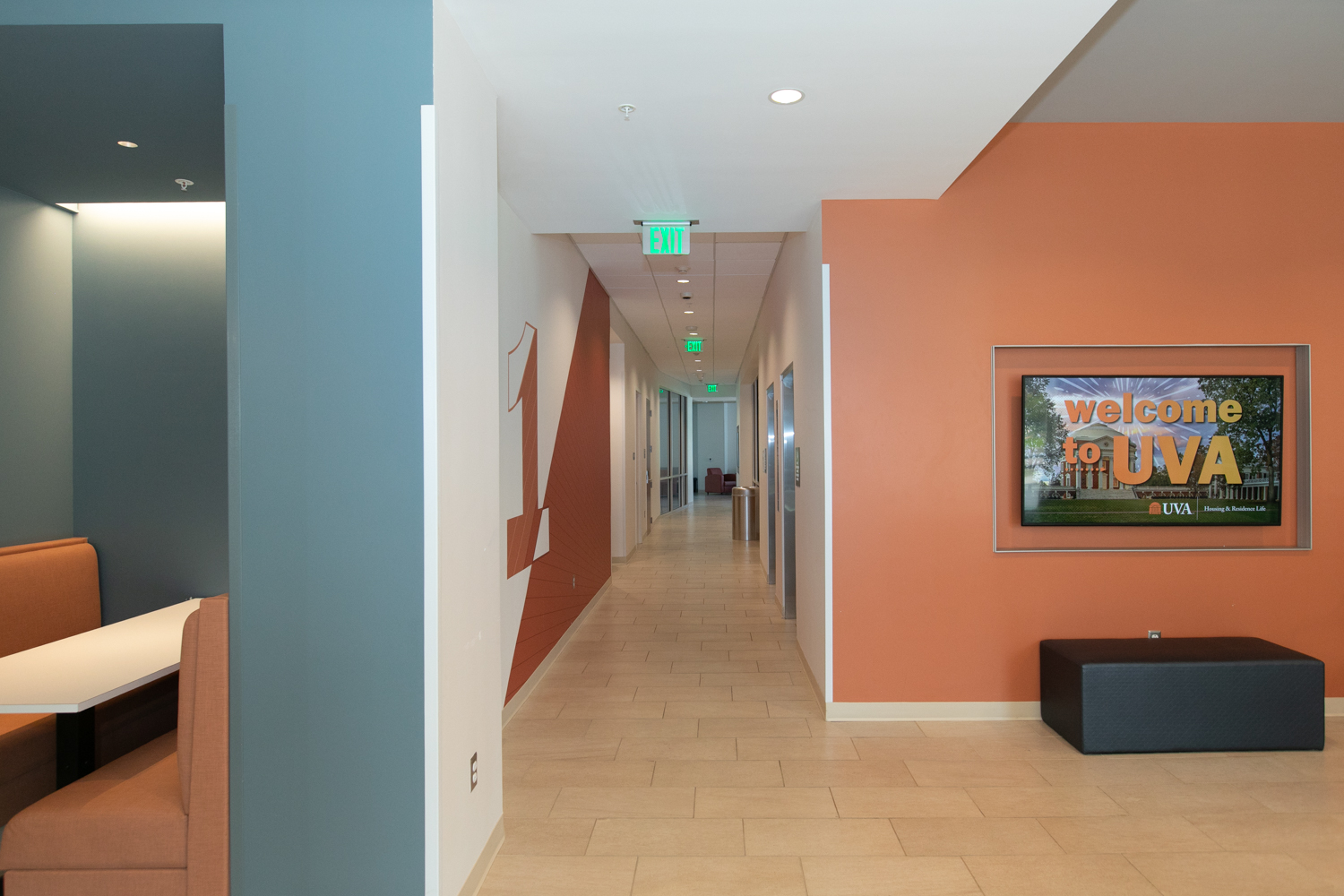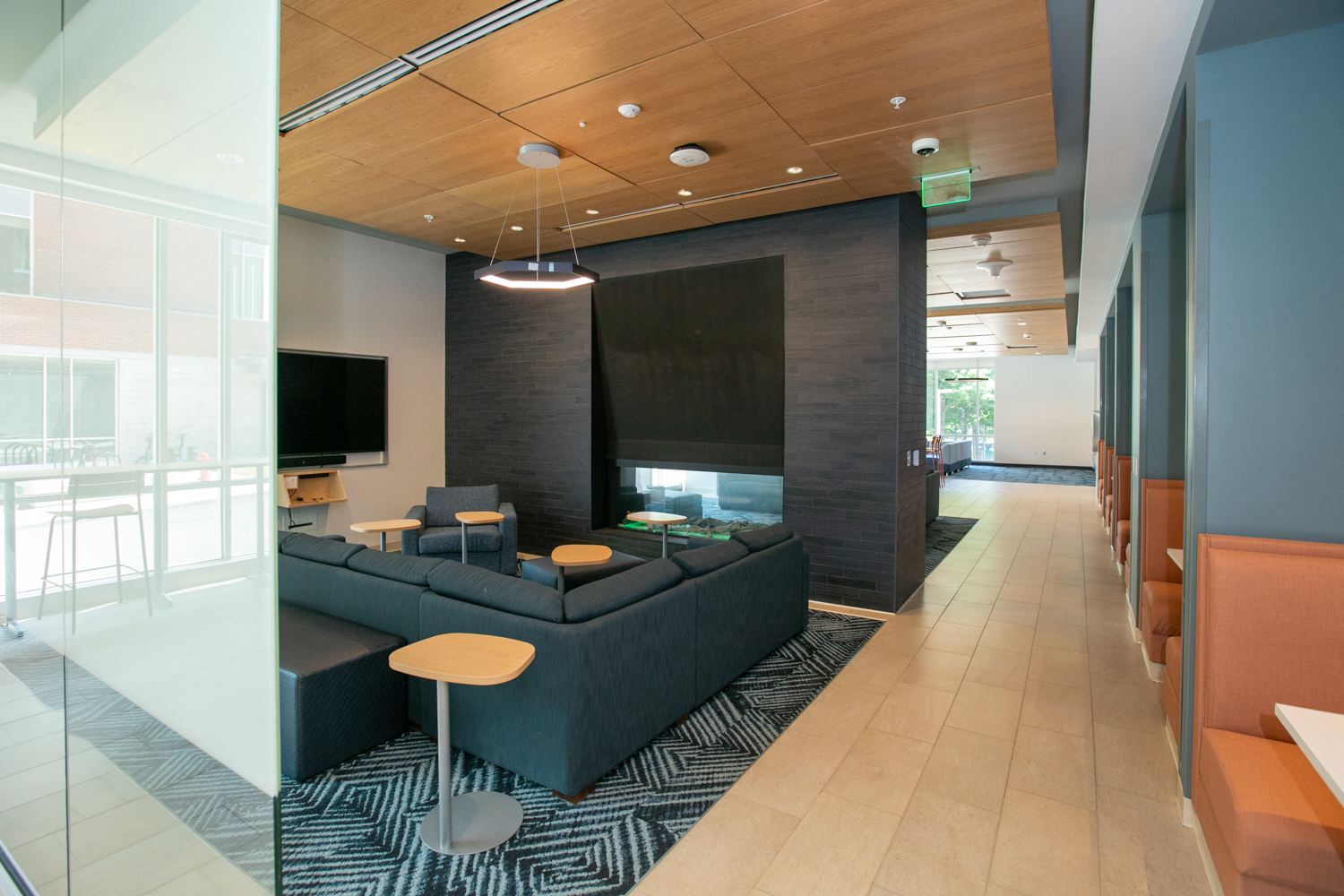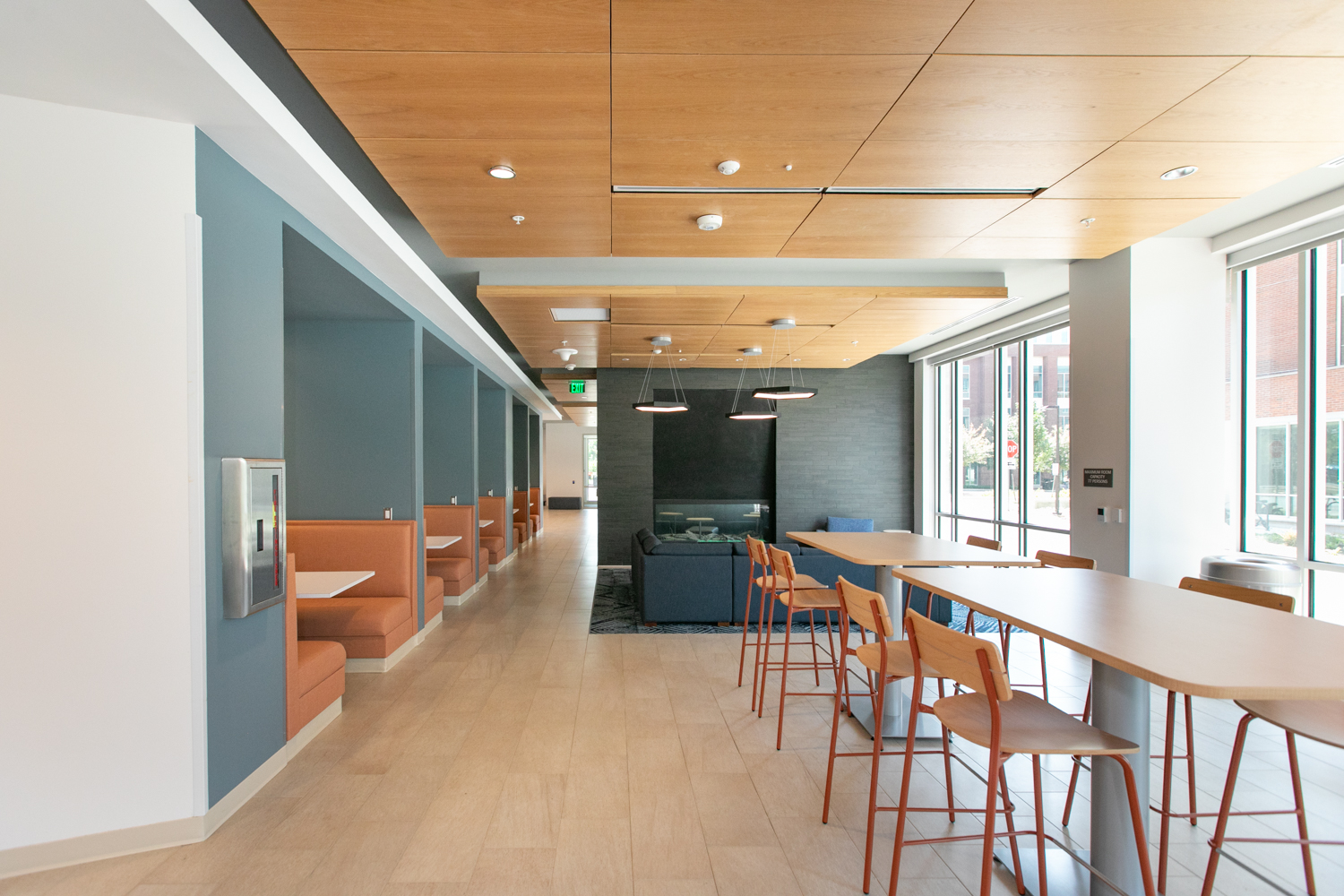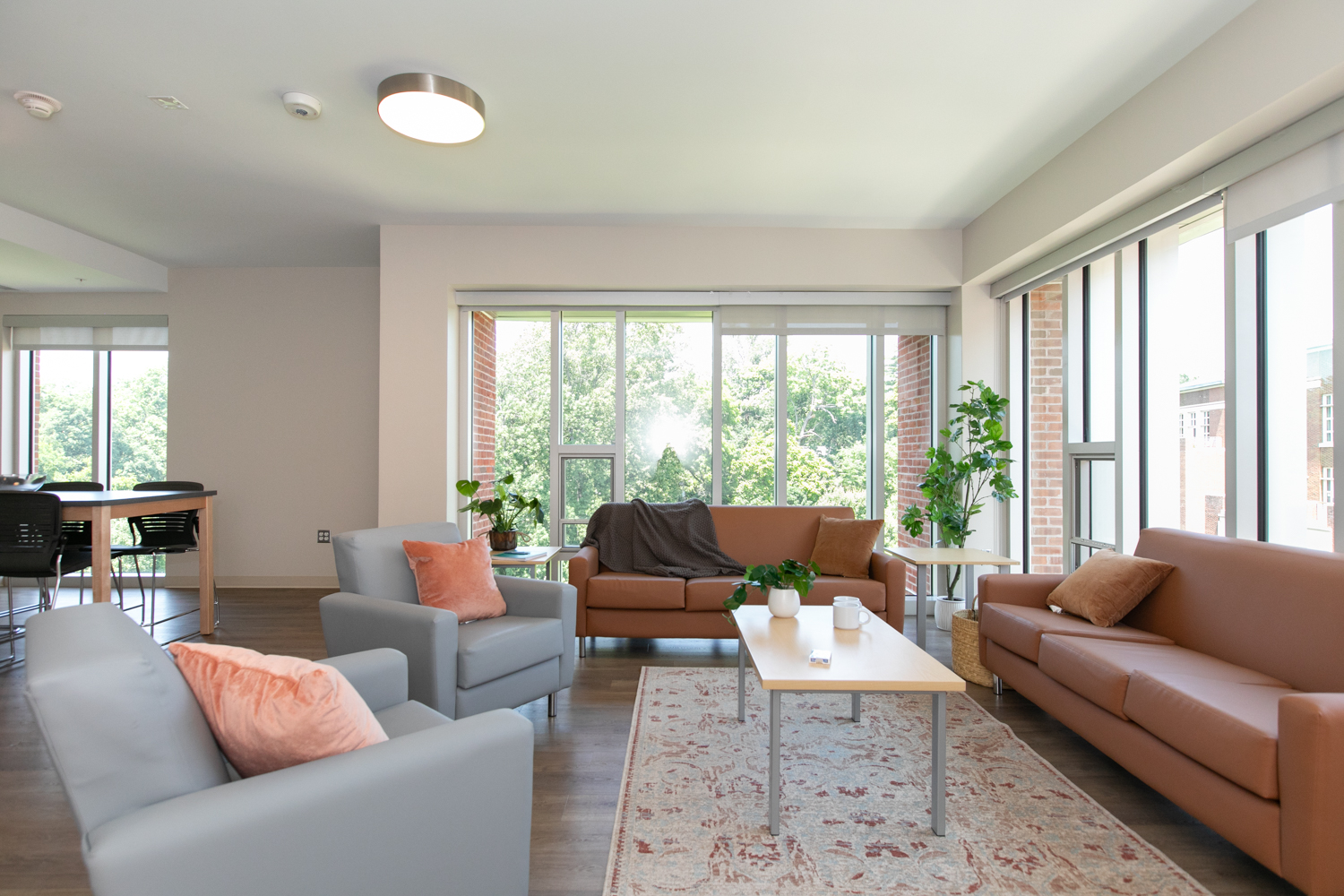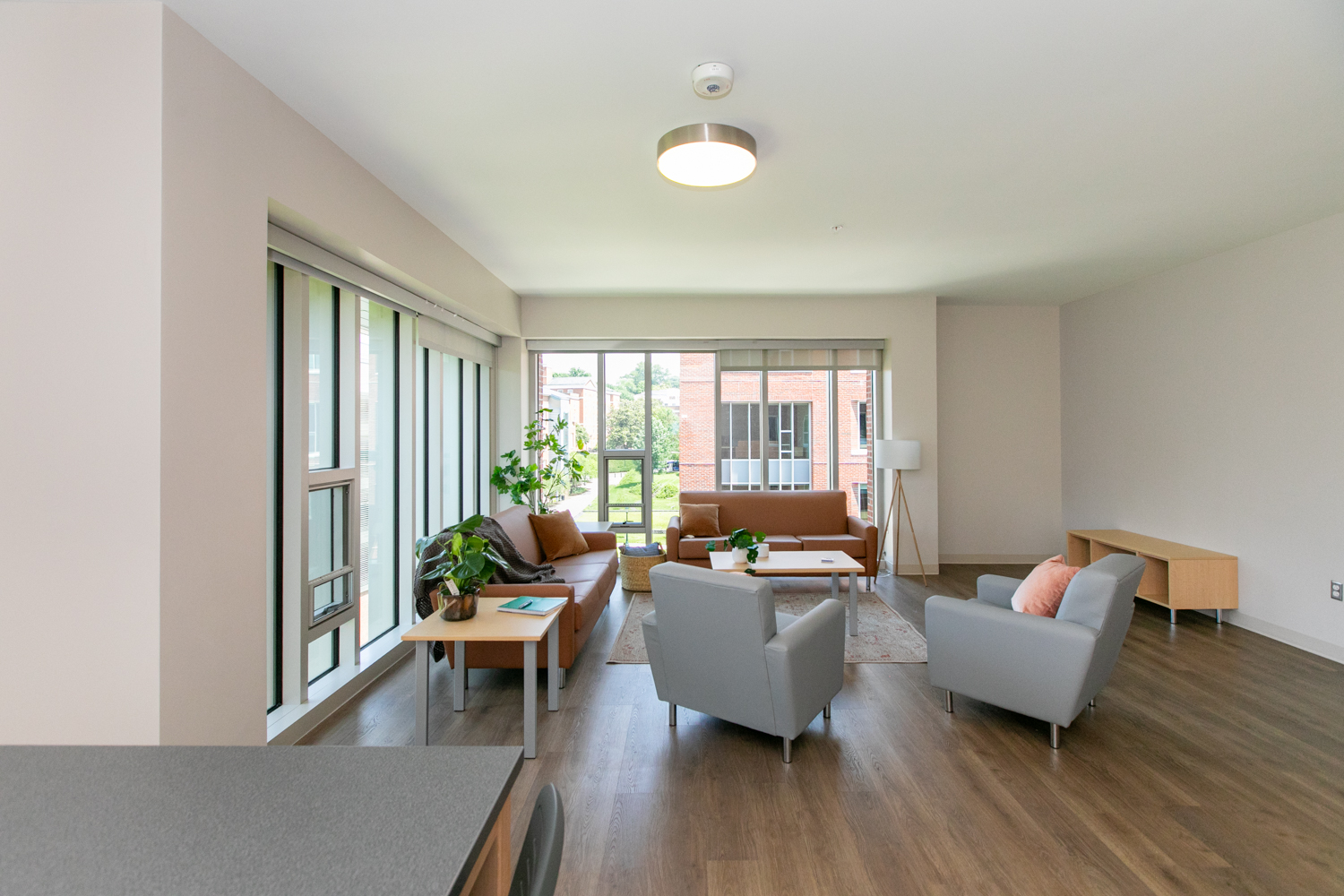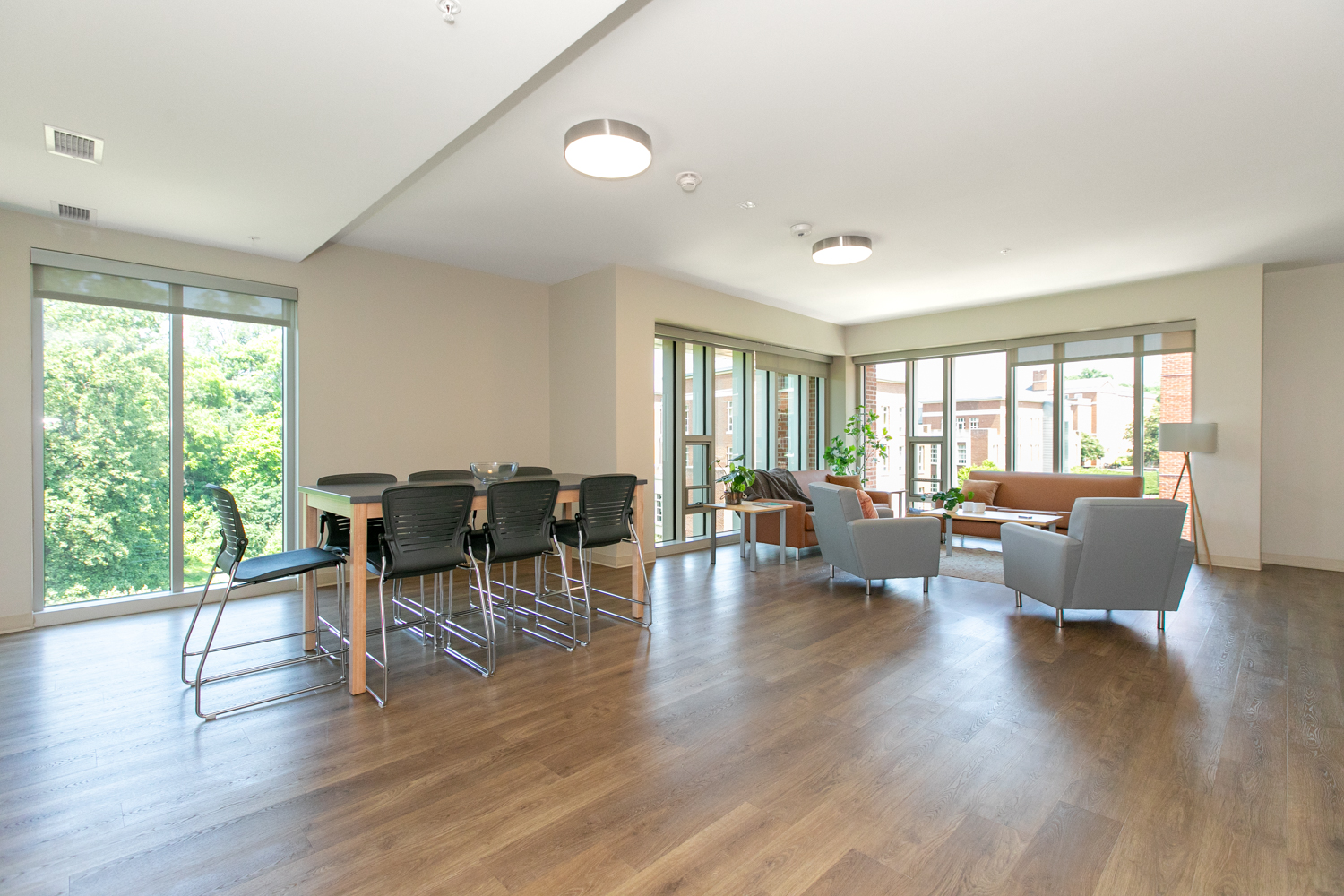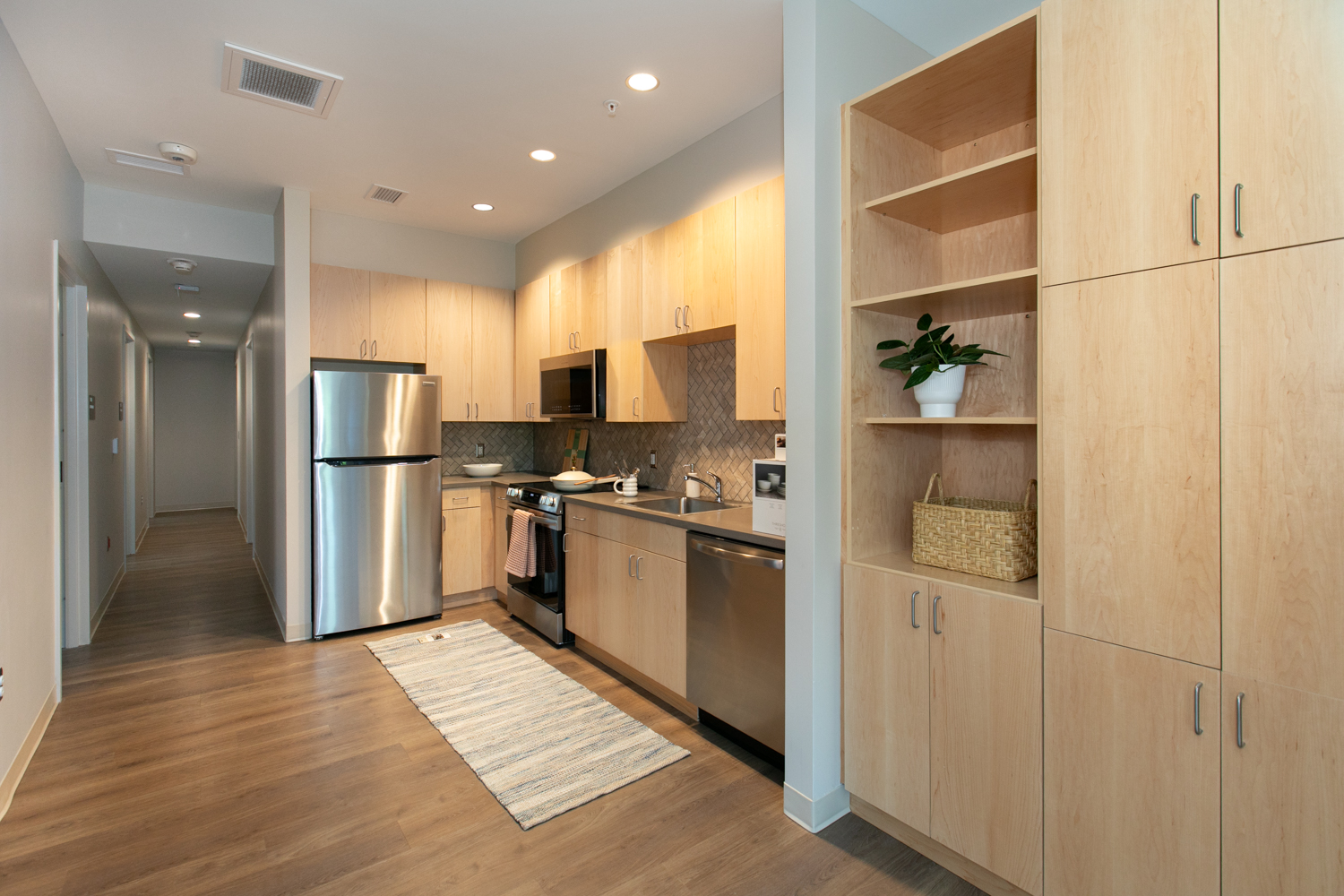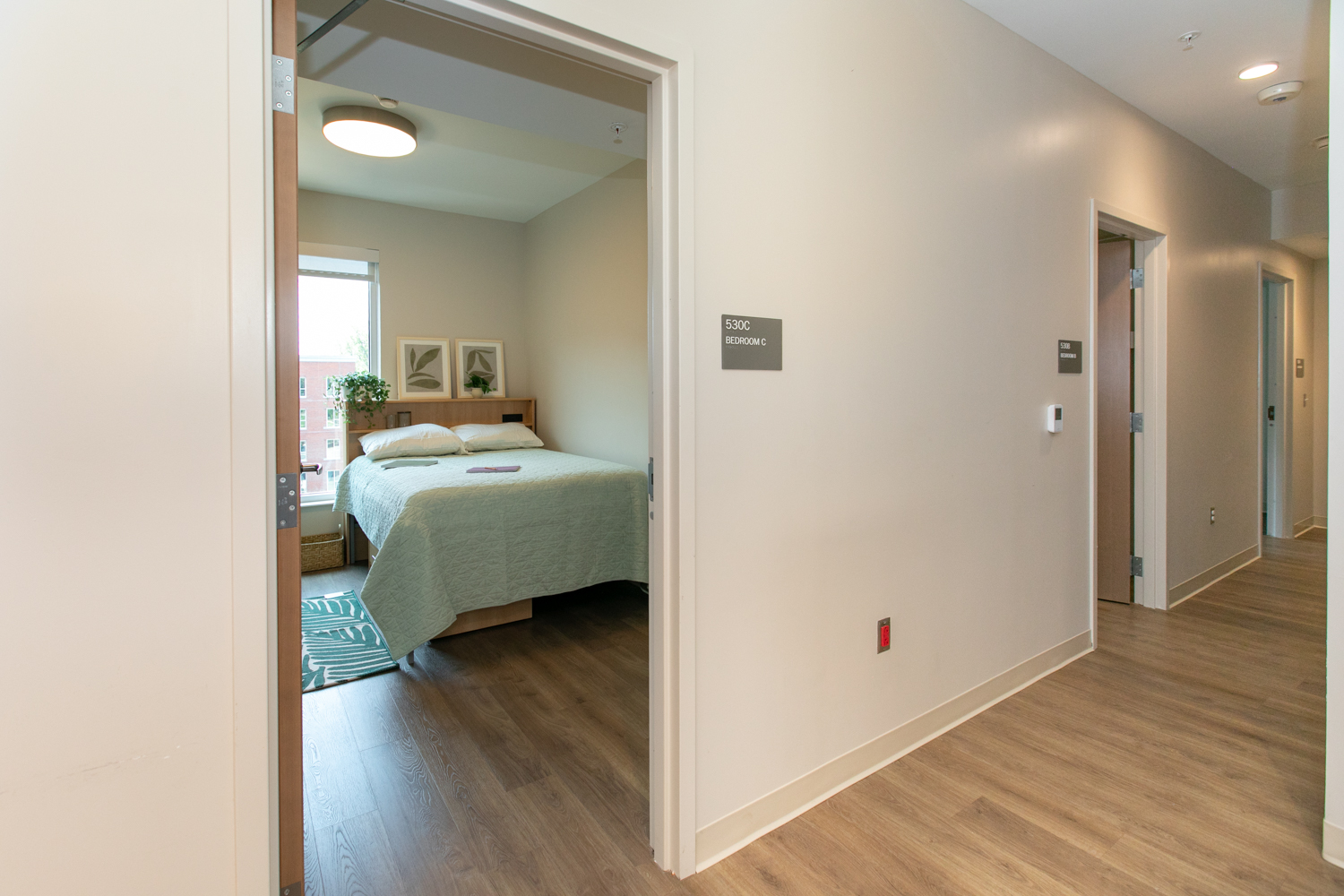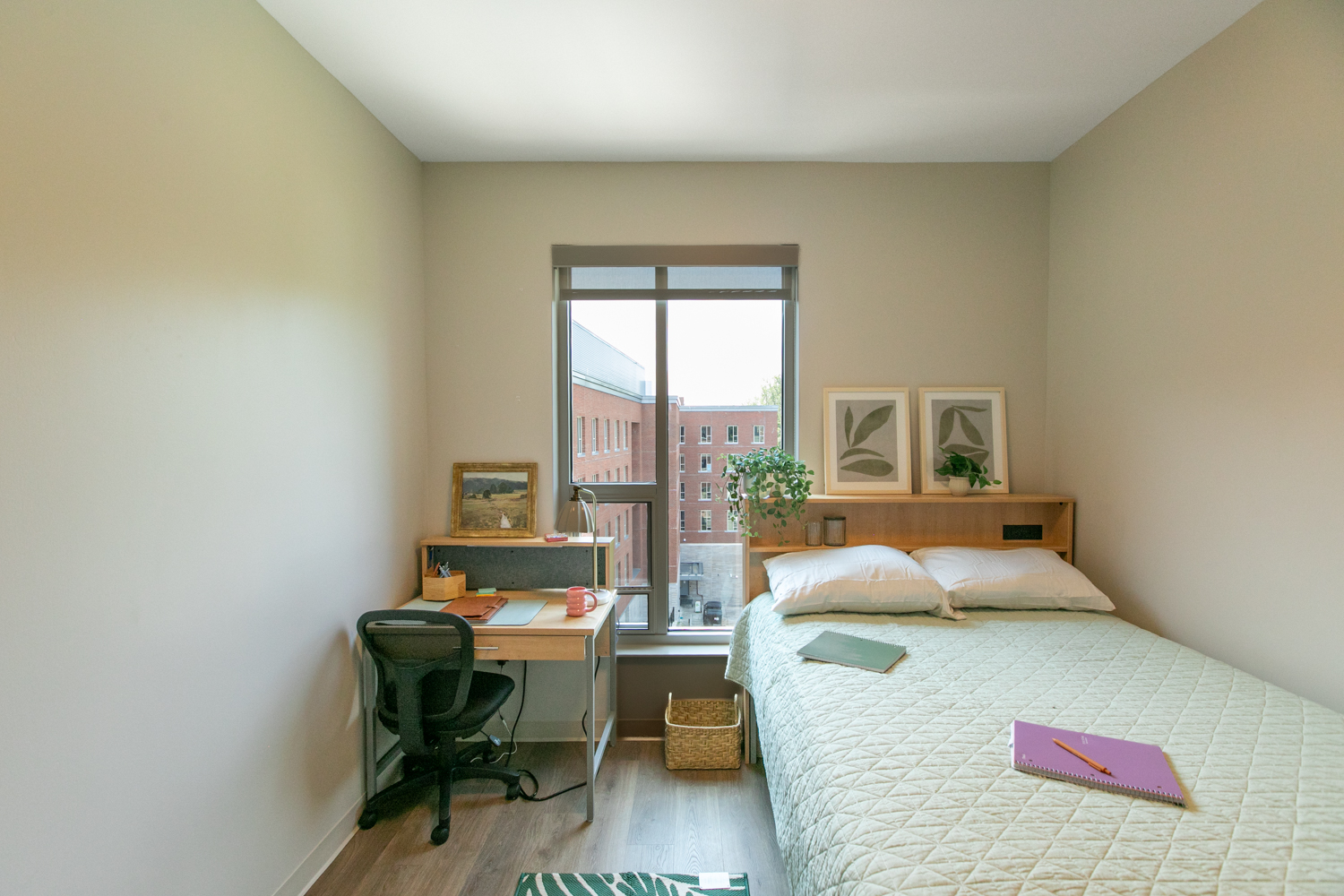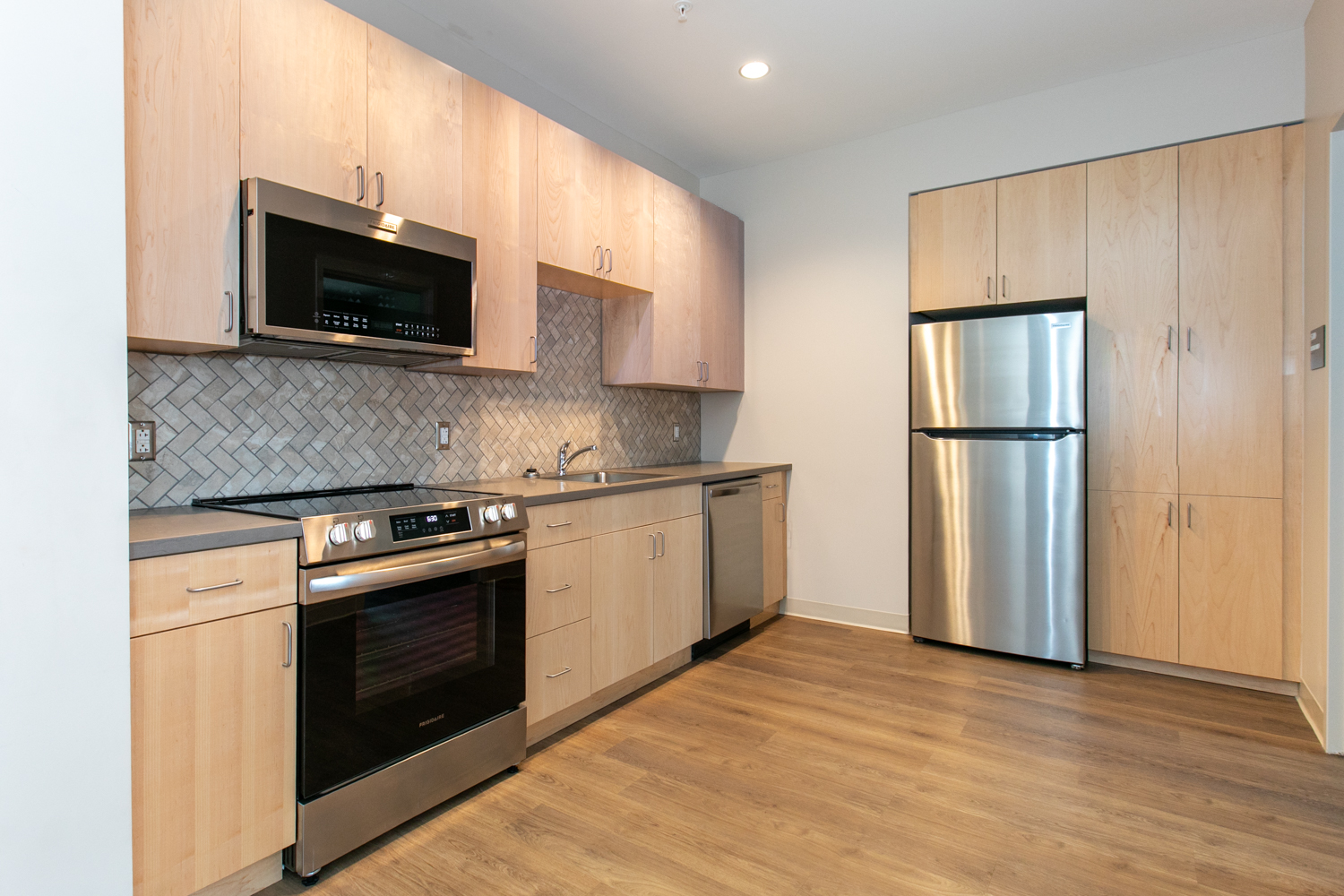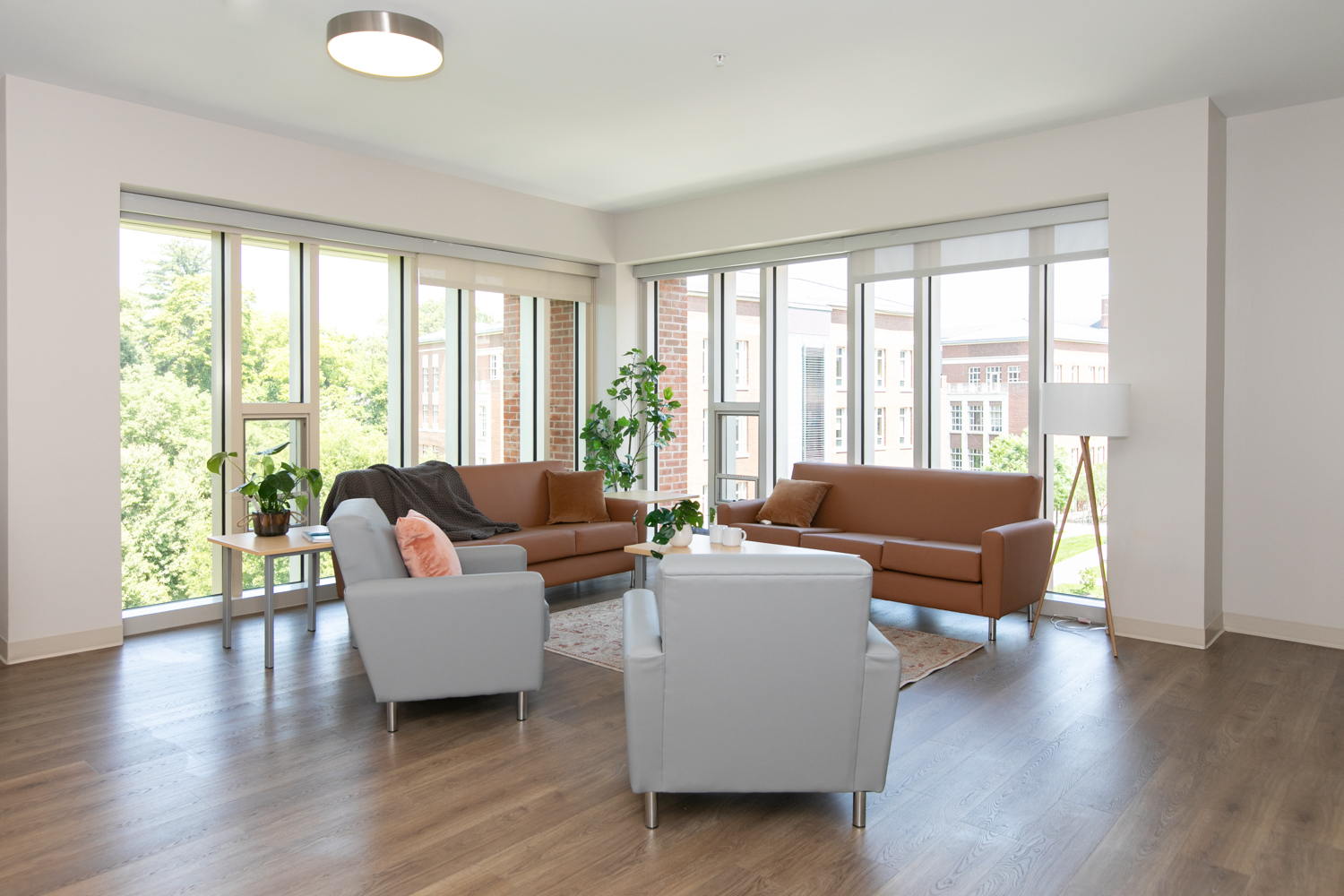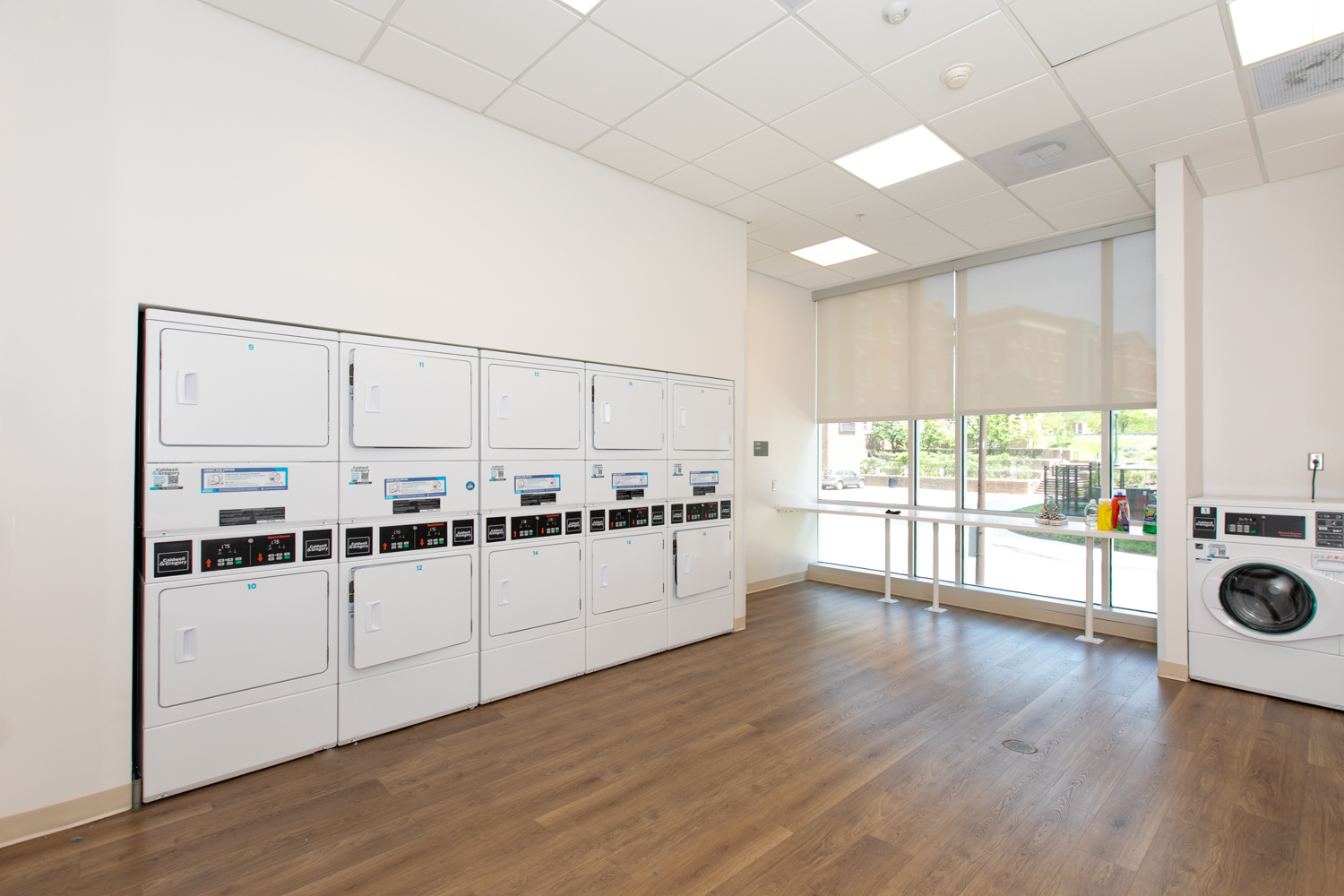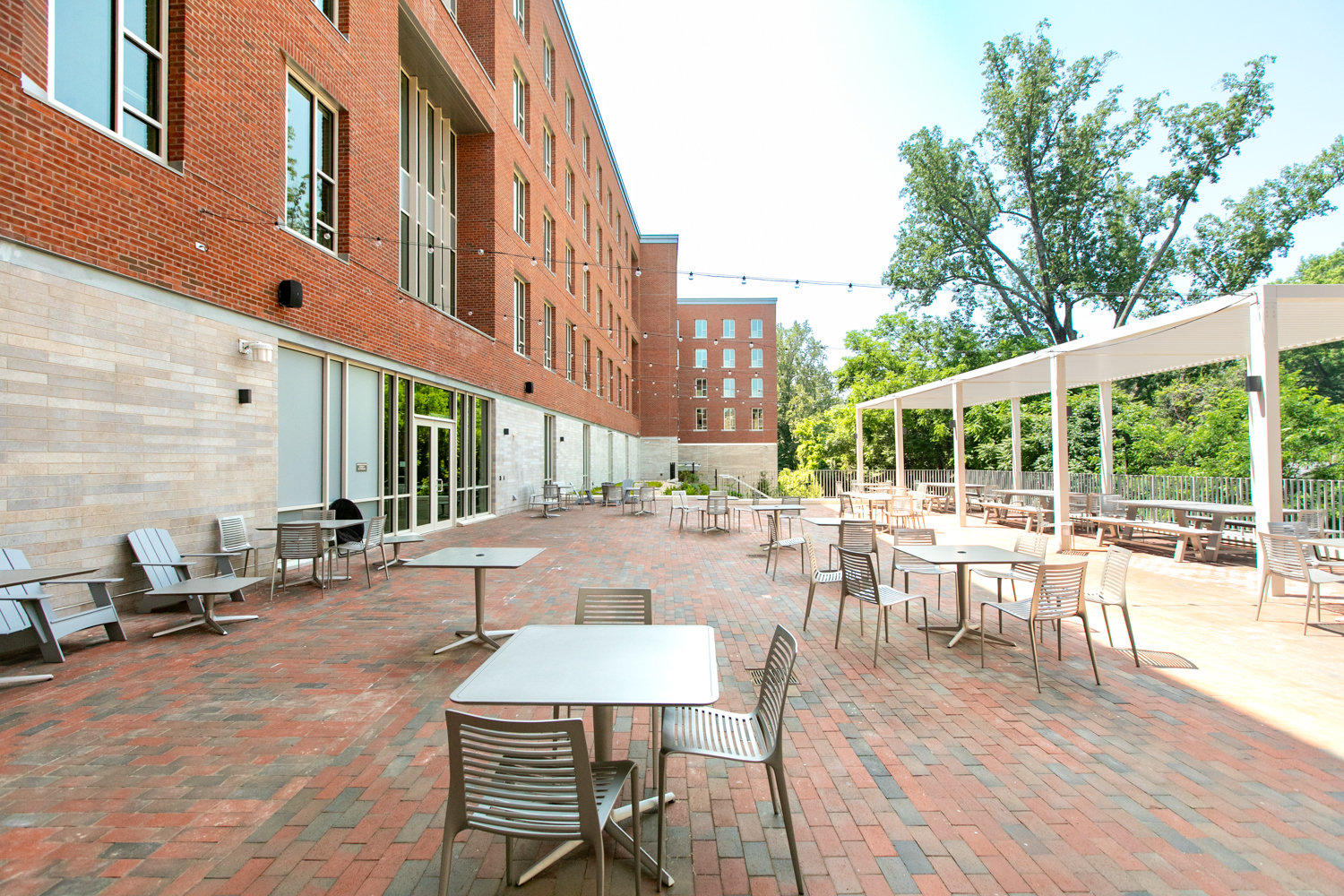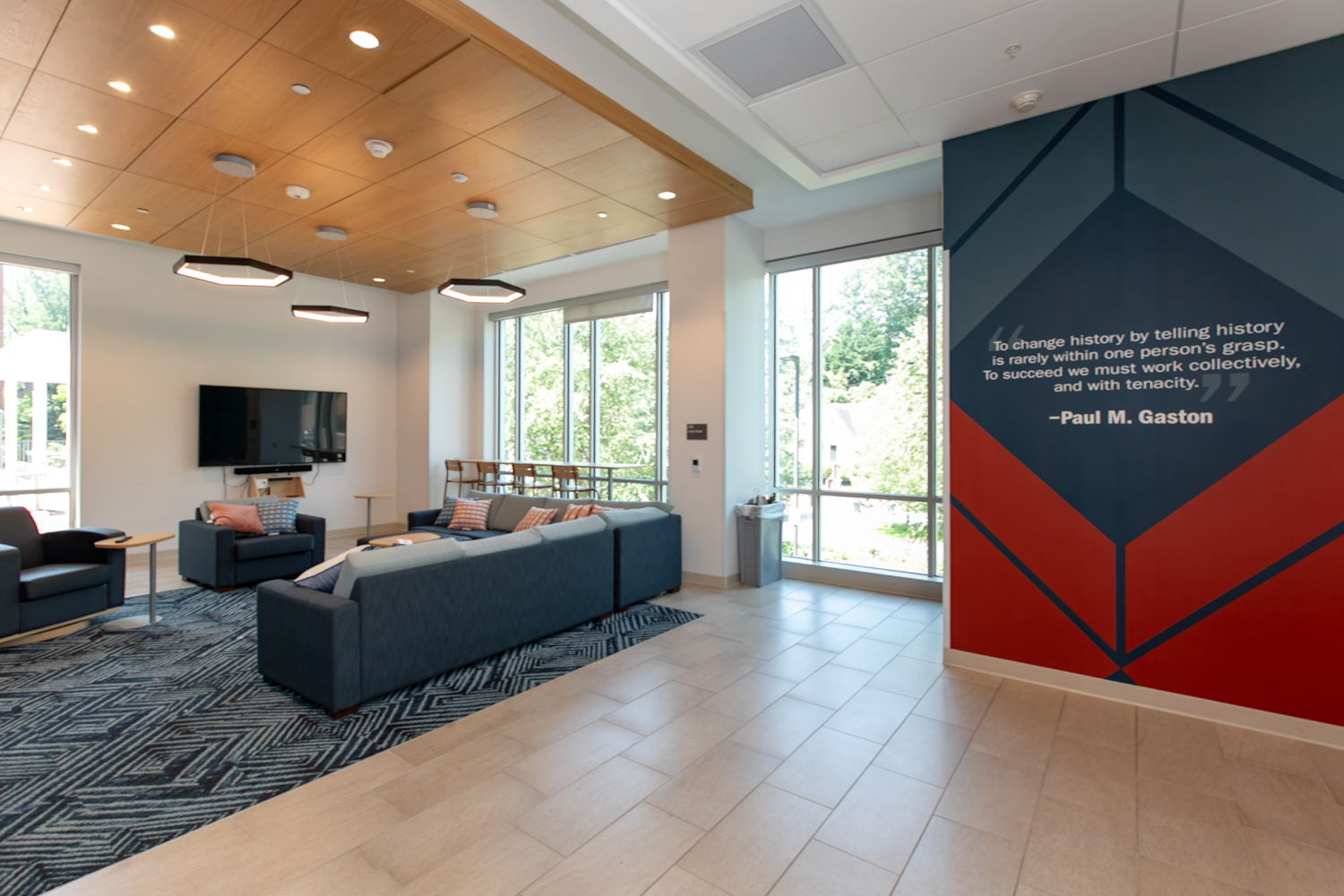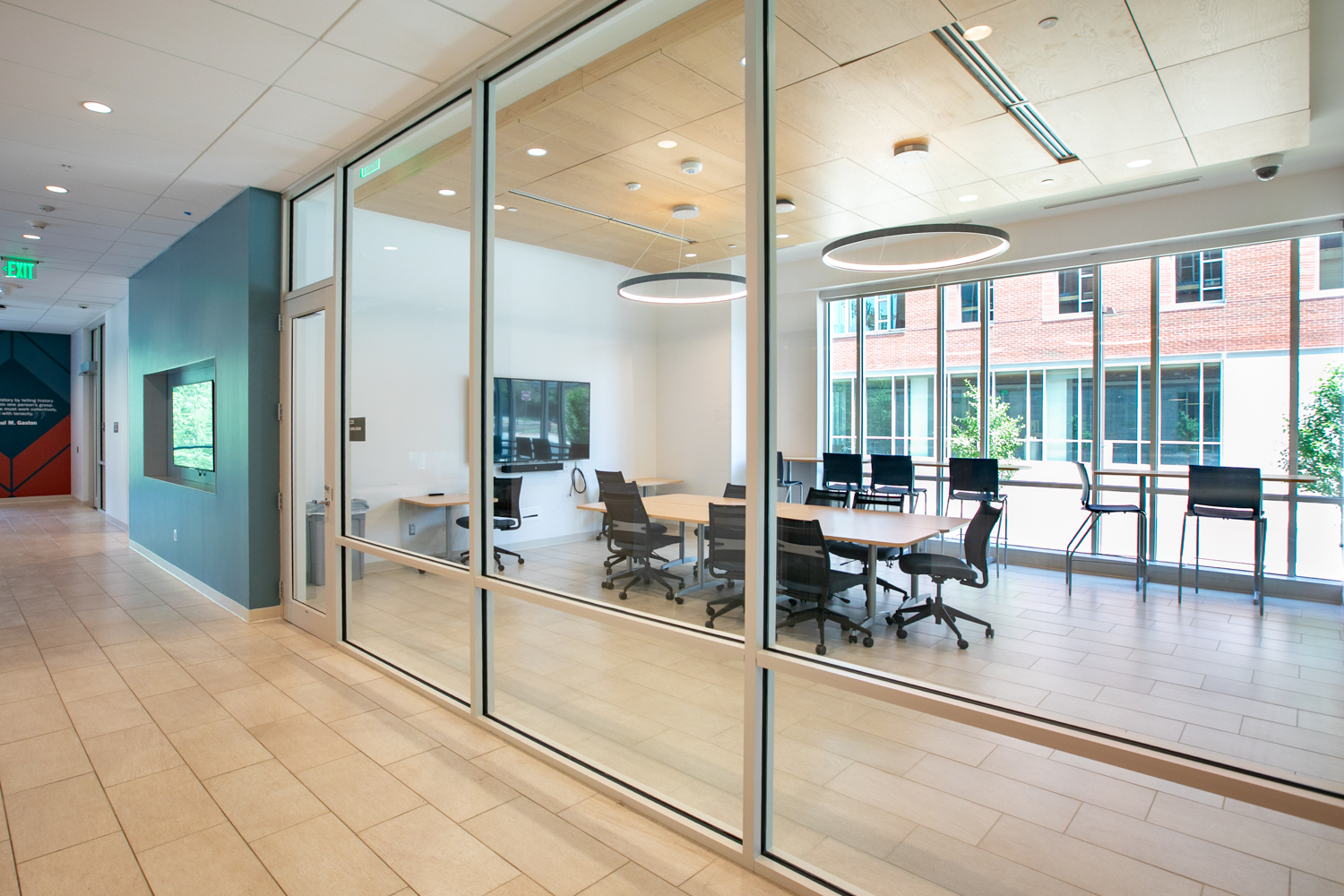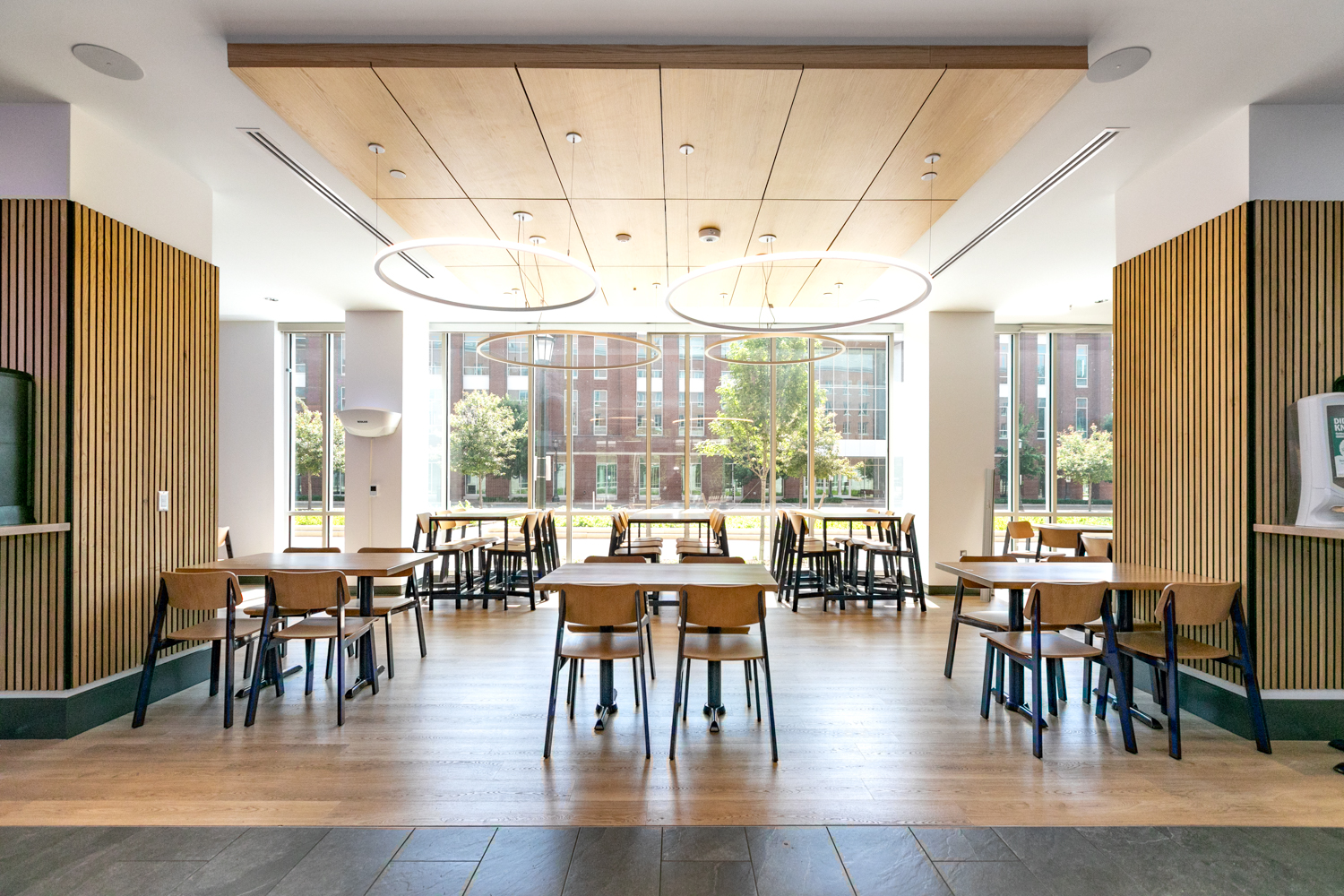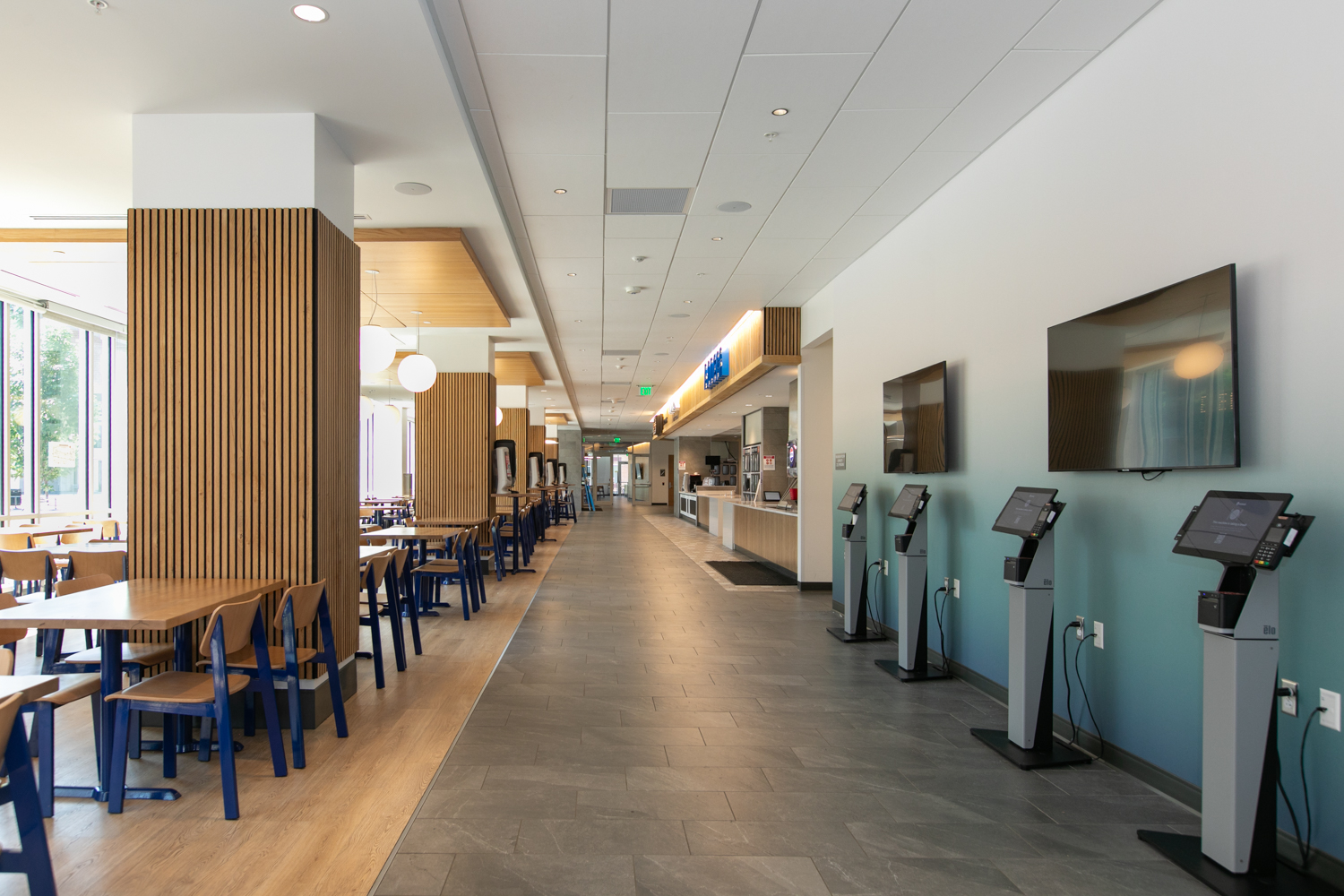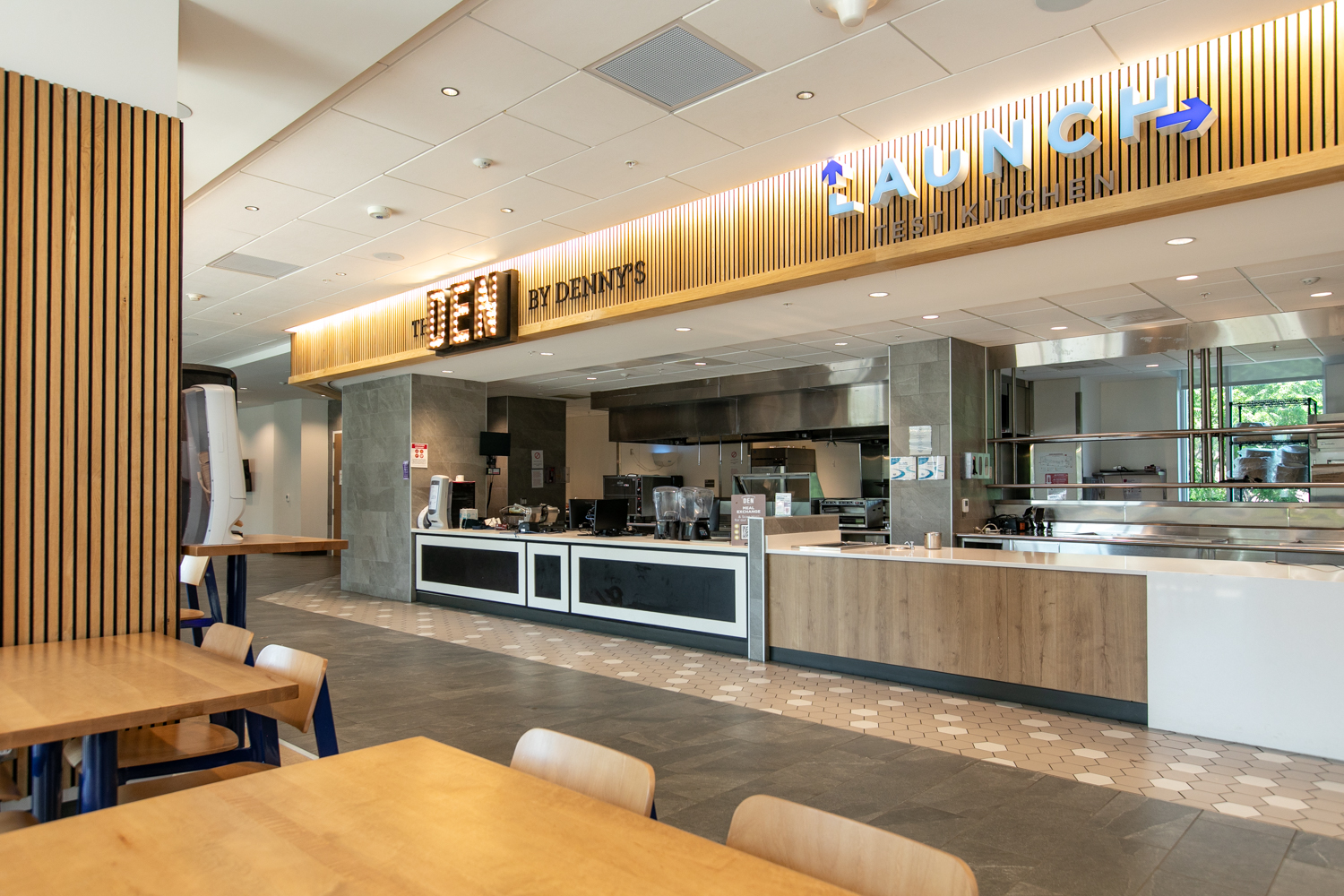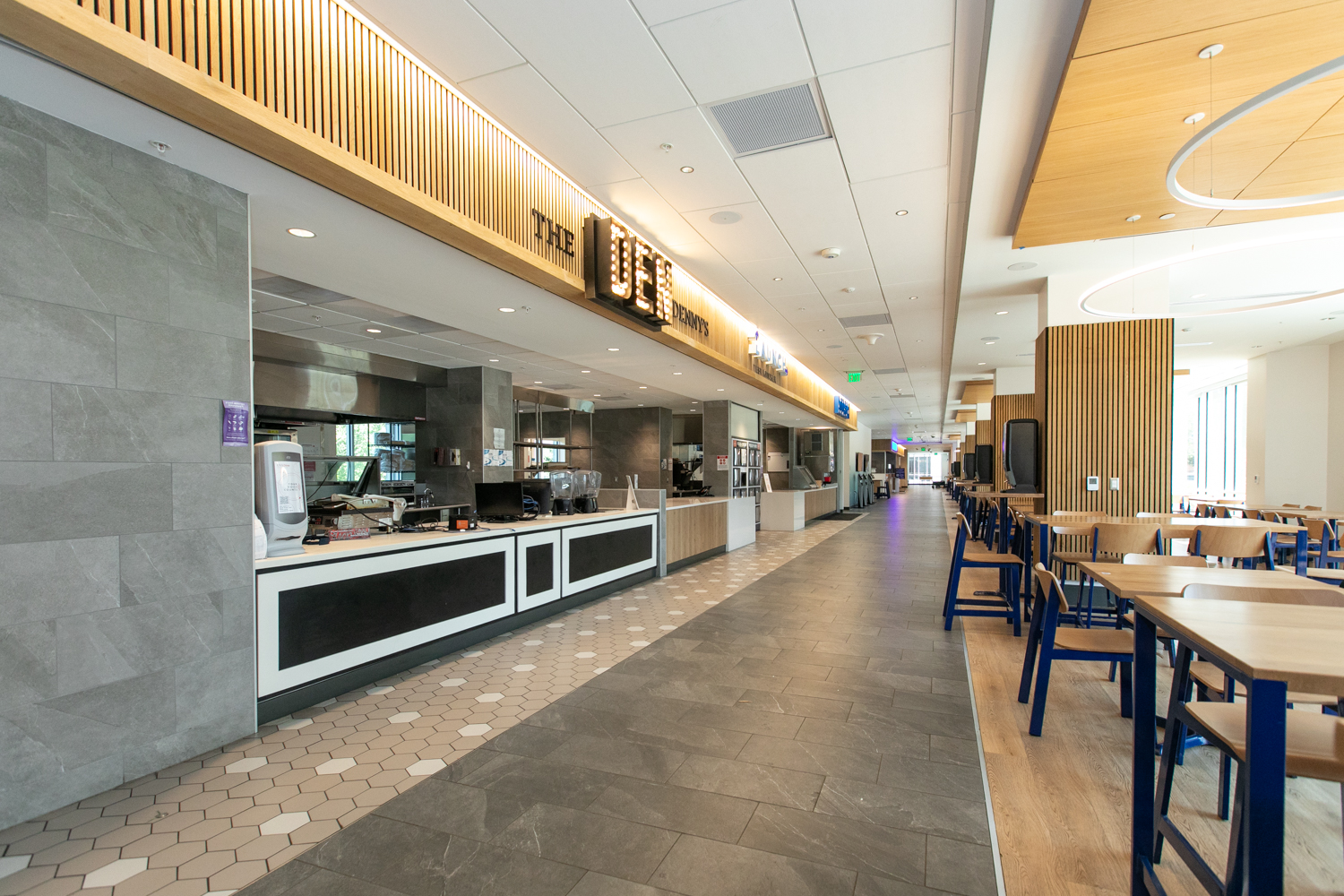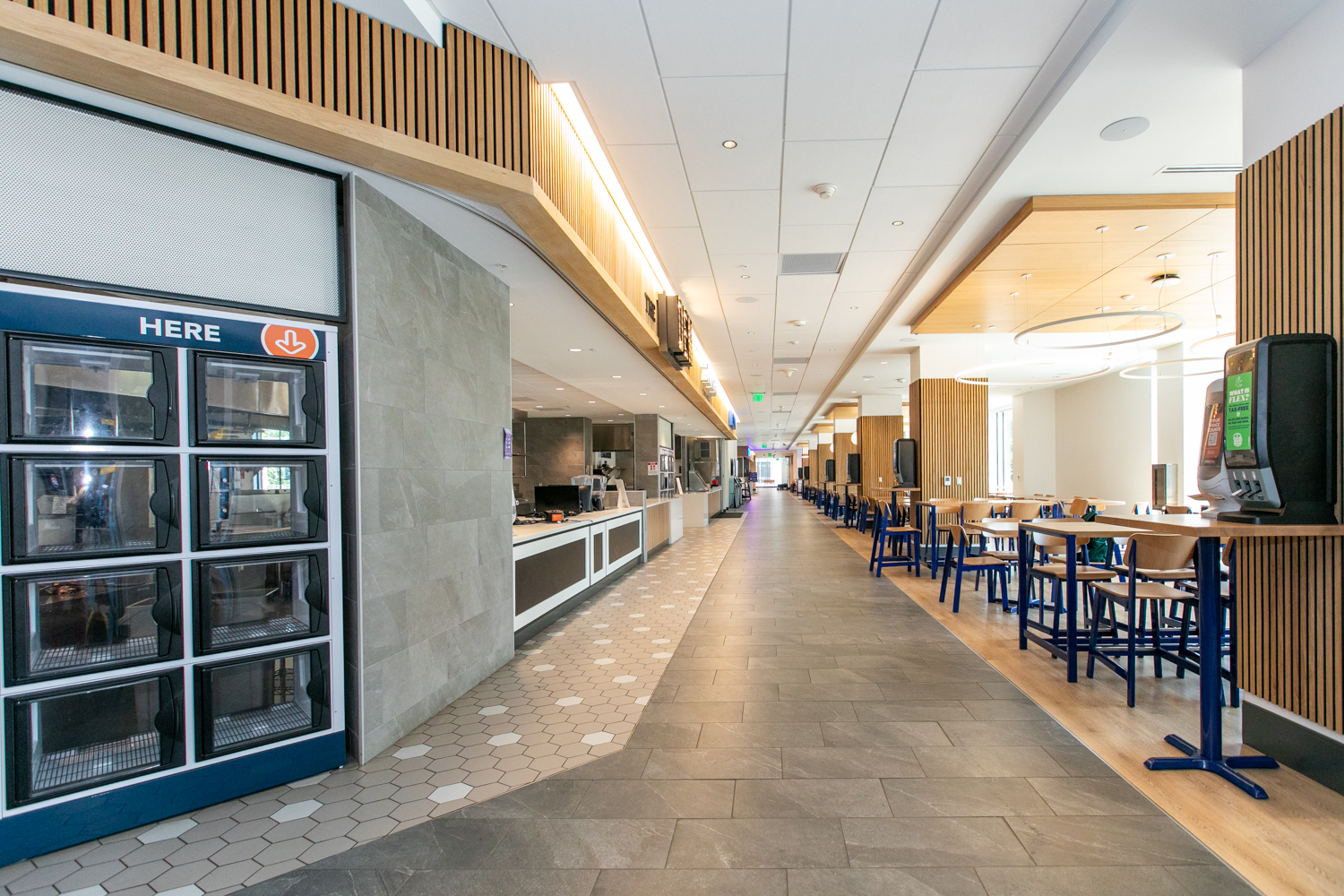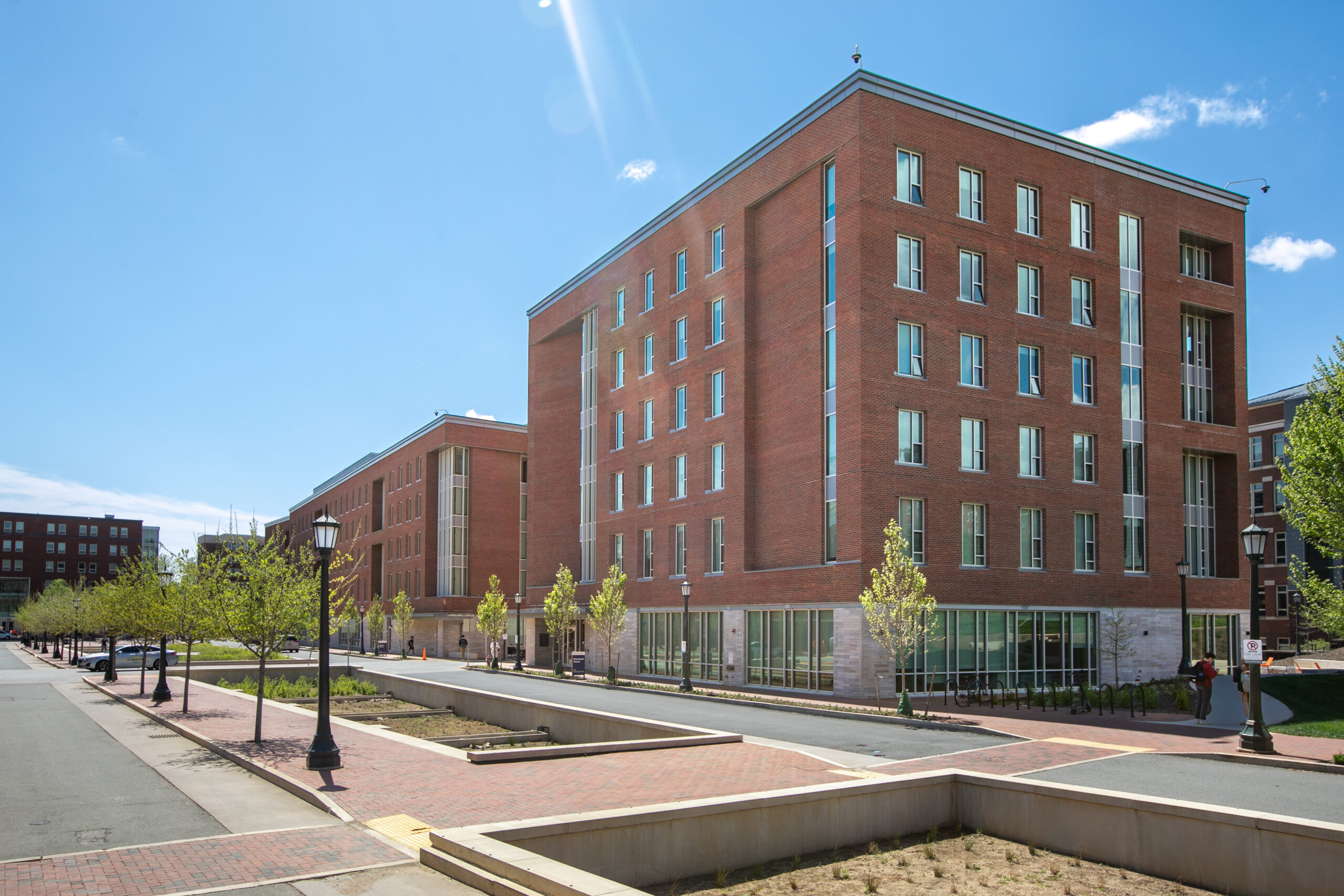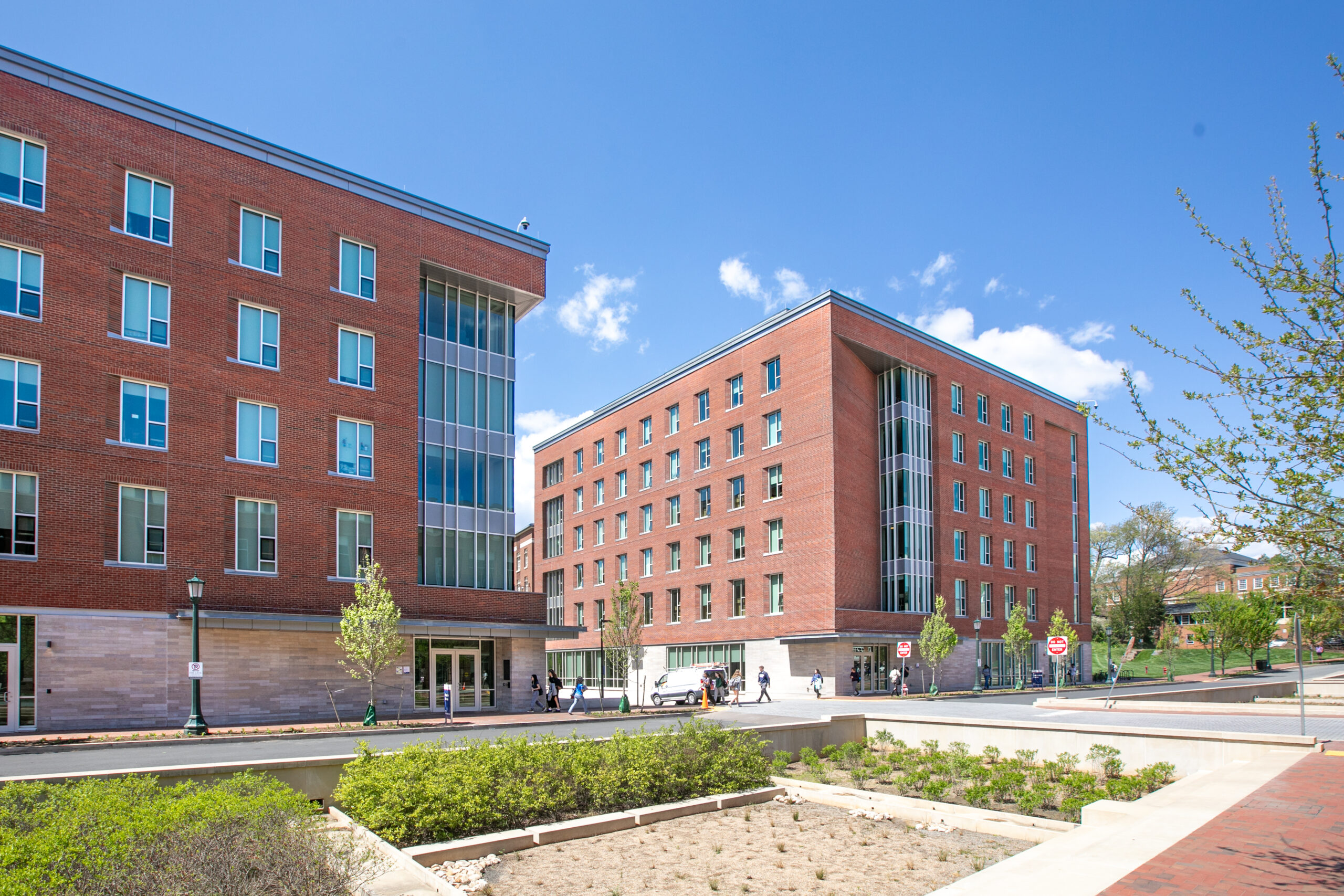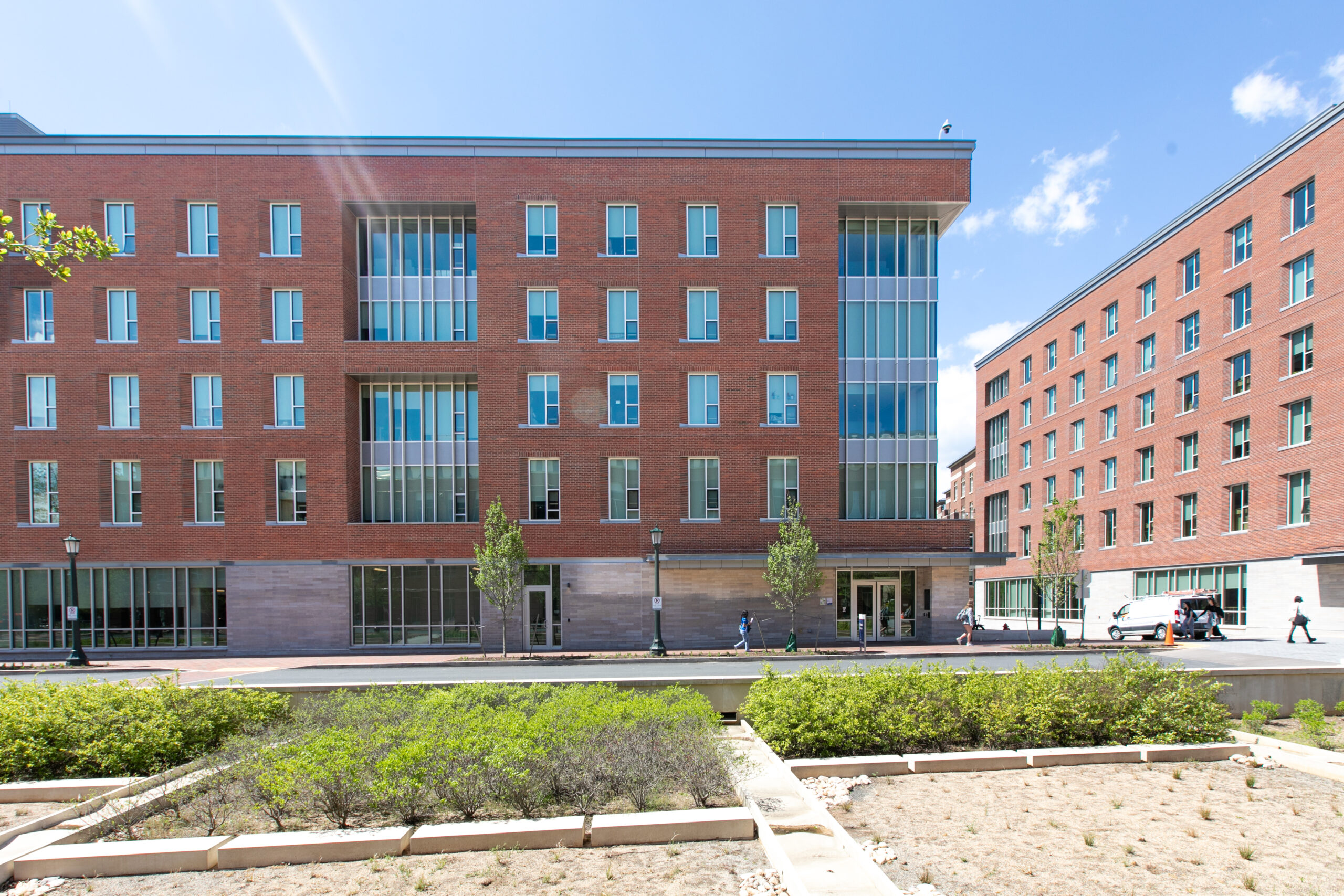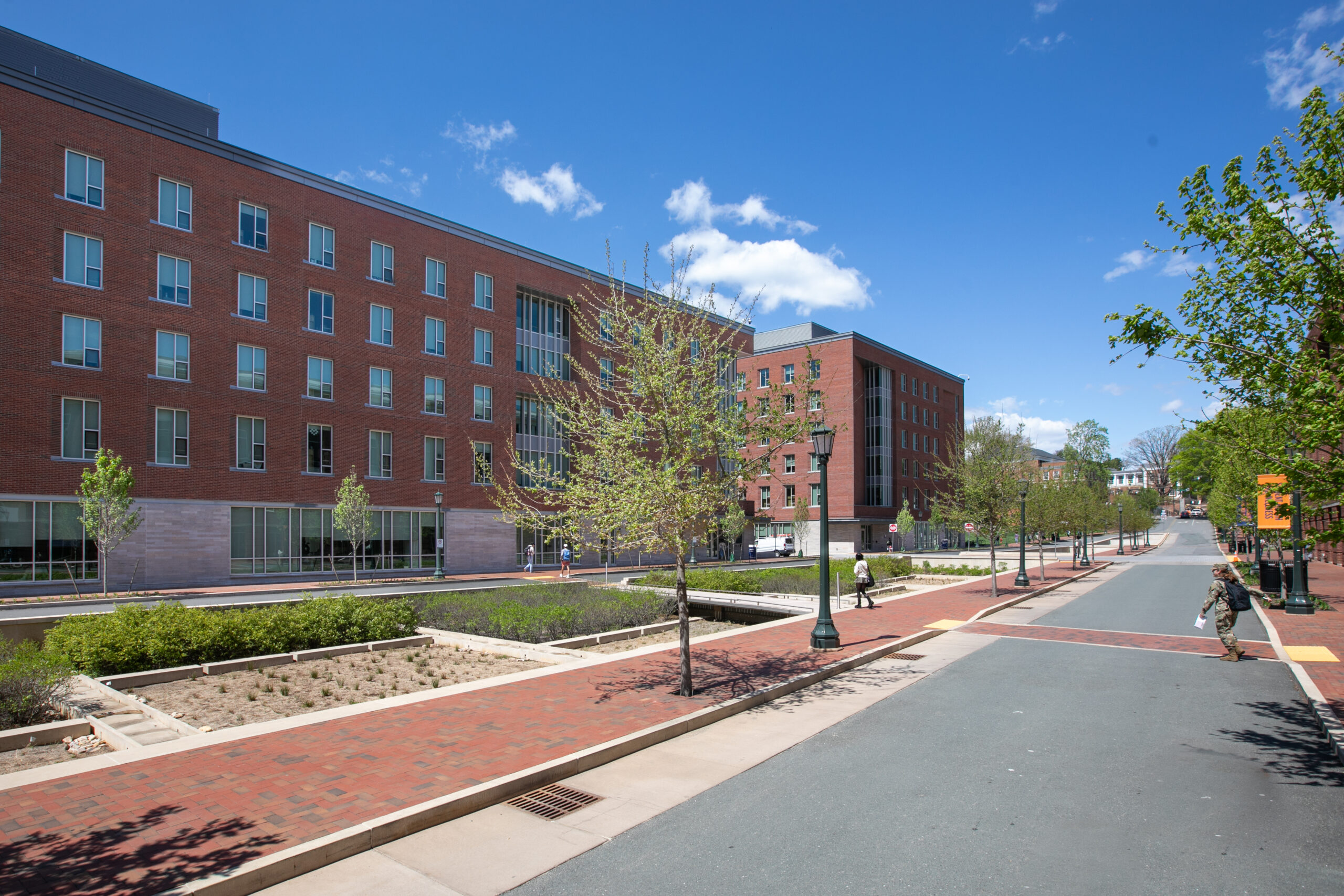

MEP engineering for Gaston and Ramazani Student Housing supports two residence halls with suite-style units, communal spaces, a dining facility, and below-grade parking, all connected to UVA’s central utilities. The design includes individually controlled HVAC units with energy-recovery ventilation, LED lighting with occupancy controls, low-flow plumbing fixtures, and a building automation system for monitoring and optimization. The dining facility incorporates dedicated make-up air, demand-controlled kitchen ventilation, and grease-waste systems to address high-occupancy and food-service requirements.
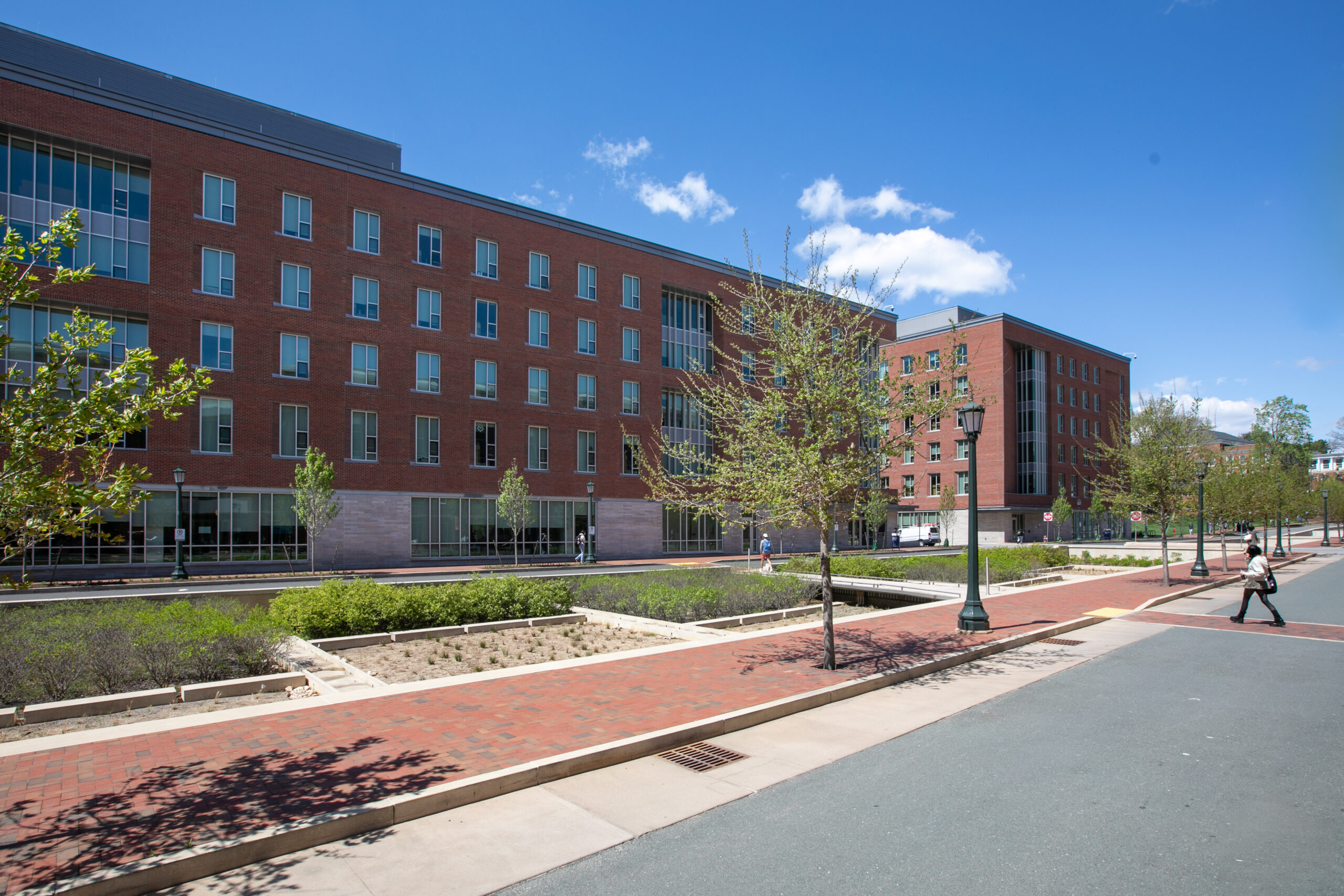
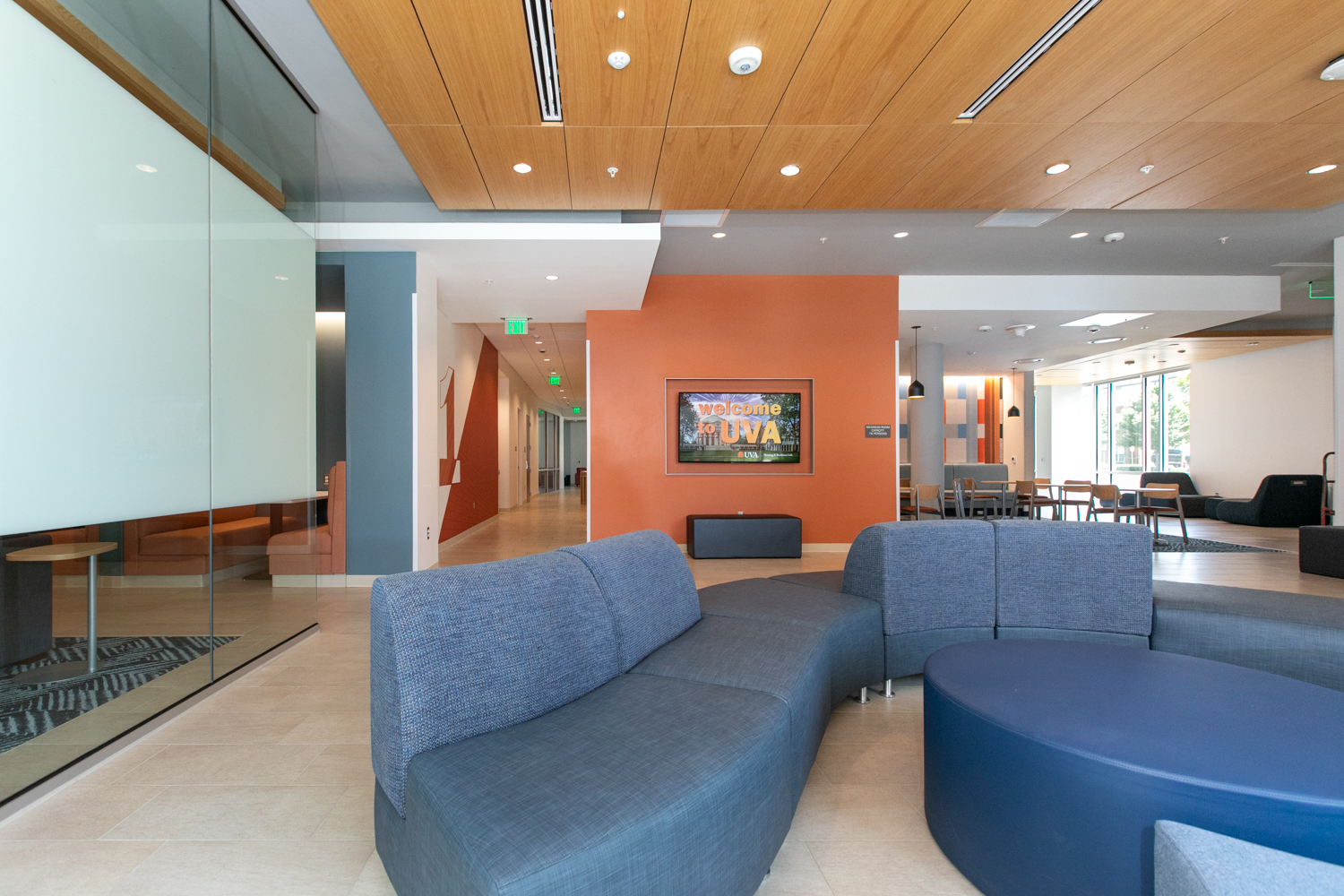
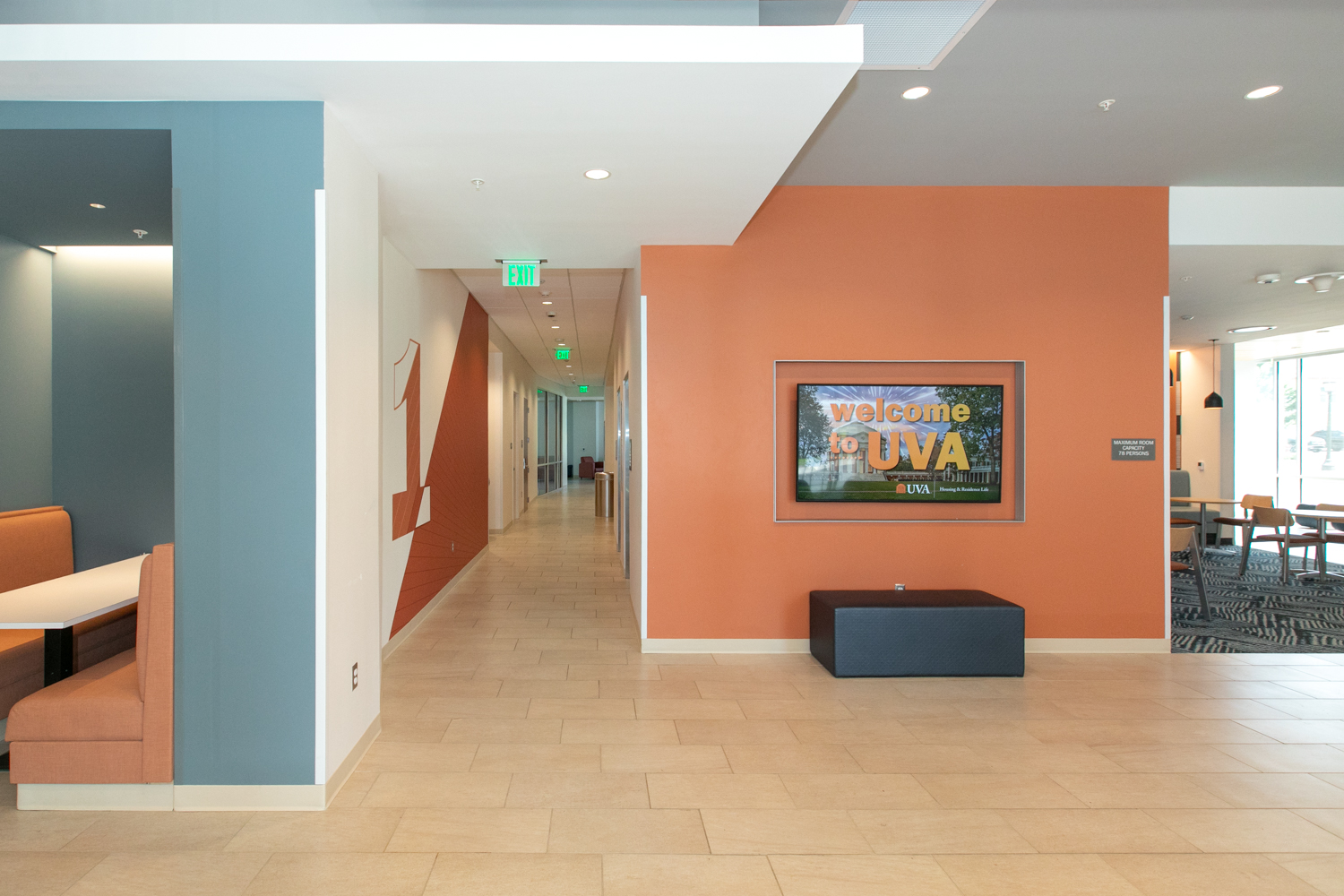
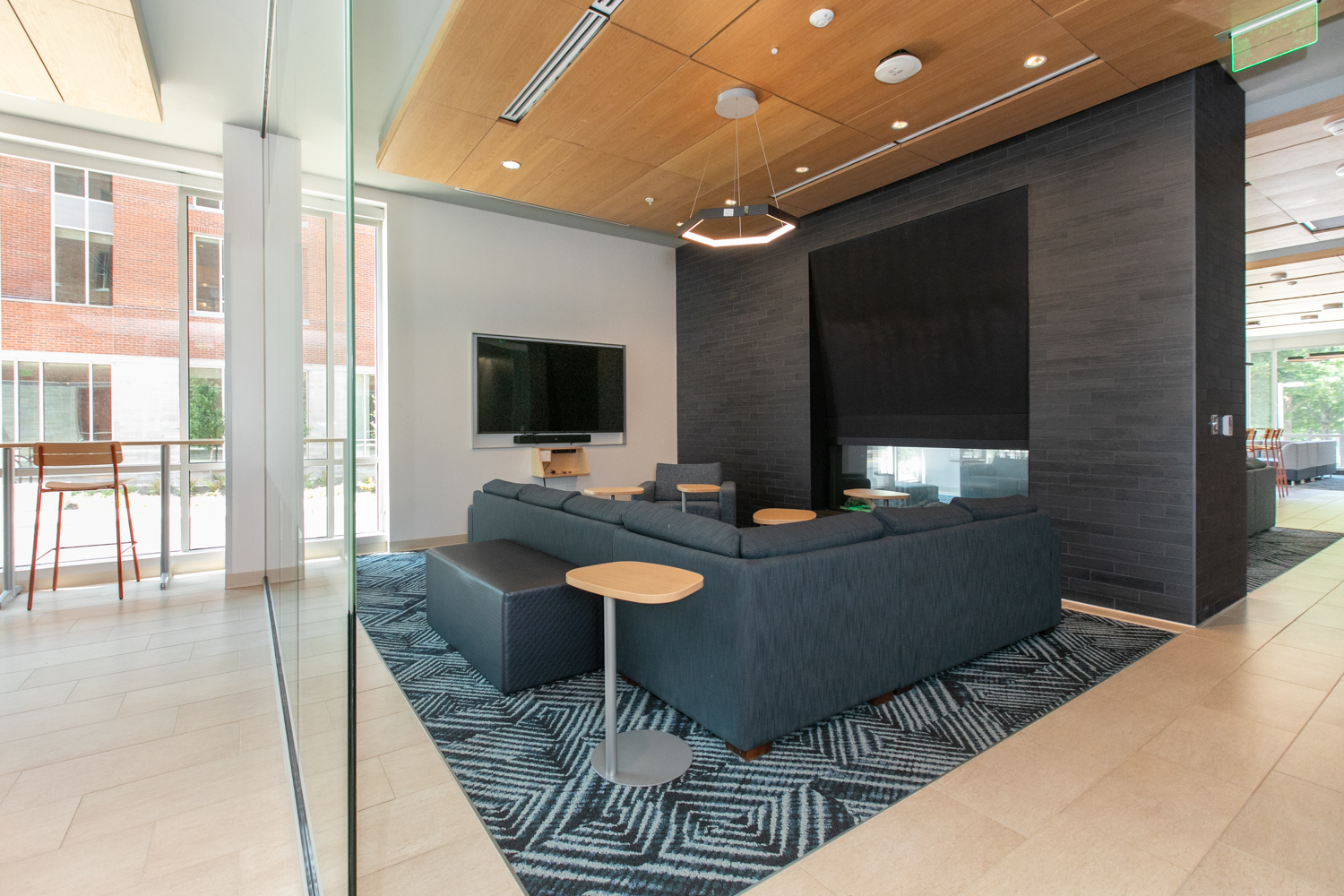
2RW provided sustainable MEP engineering for the second phase of UVA’s Brandon Avenue Upper-Class Student Housing—now named Gaston and Ramazani Student Housing. This design-build project includes two buildings: a five-story, 128-bed dormitory that also houses a 300-seat dining facility and a two-level below-grade parking garage, and a six-story, 228-bed dormitory with shared communal spaces.
Located within the reimagined Brandon Avenue Green Street District—a mixed-use area combining academic, residential, and support facilities—the buildings connect to UVA’s central utility infrastructure. Services include UVA electrical, telecom, domestic water, sanitary and stormwater systems, as well as low-temperature hot water and chilled water distribution.
Each suite-style apartment is served by individually controlled HVAC units that provide localized thermal comfort. The mechanical systems incorporate energy recovery ventilation to reduce load and improve indoor air quality, while the plumbing design includes low-flow fixtures to reduce water usage. Lighting systems are LED-based and occupancy-controlled, improving both energy efficiency and user experience. A digital building automation system (BAS) allows for full monitoring and control of mechanical systems, including temperature scheduling and zone-specific energy optimization.
The dining facility presented unique MEP challenges due to its high occupancy and kitchen ventilation requirements. 2RW designed dedicated make-up air systems, kitchen exhaust hoods with demand-controlled ventilation, and grease waste plumbing systems to meet health, safety, and energy standards.
A high degree of coordination across disciplines was required to accommodate the variety of apartment unit configurations, communal areas, and dining program needs; all while supporting the project’s LEED Silver certification goals.
Little Diversified Architectural Consulting
Nielsen Builders
Thornton Tomasetti